






ISIS Bomb Plot Foiled: Texas Man Arrested in Joint NYPD-FBI Operation
In a startling case that highlights the ongoing threat of domestic terrorism, authorities have arrested 21-year-old John Michael Garza Jr., a Texas resident who allegedly attempted to provide bomb-making materials to someone he believed was affiliated with ISIS. The arrest, announced Monday by the Department of Justice, was the culmination of a complex undercover operation that began with vigilant social media monitoring by the New York Police Department. This case demonstrates how terrorist ideologies continue to reach and radicalize individuals within American borders, and the sophisticated methods law enforcement agencies employ to identify and neutralize these threats before they materialize into actual attacks.
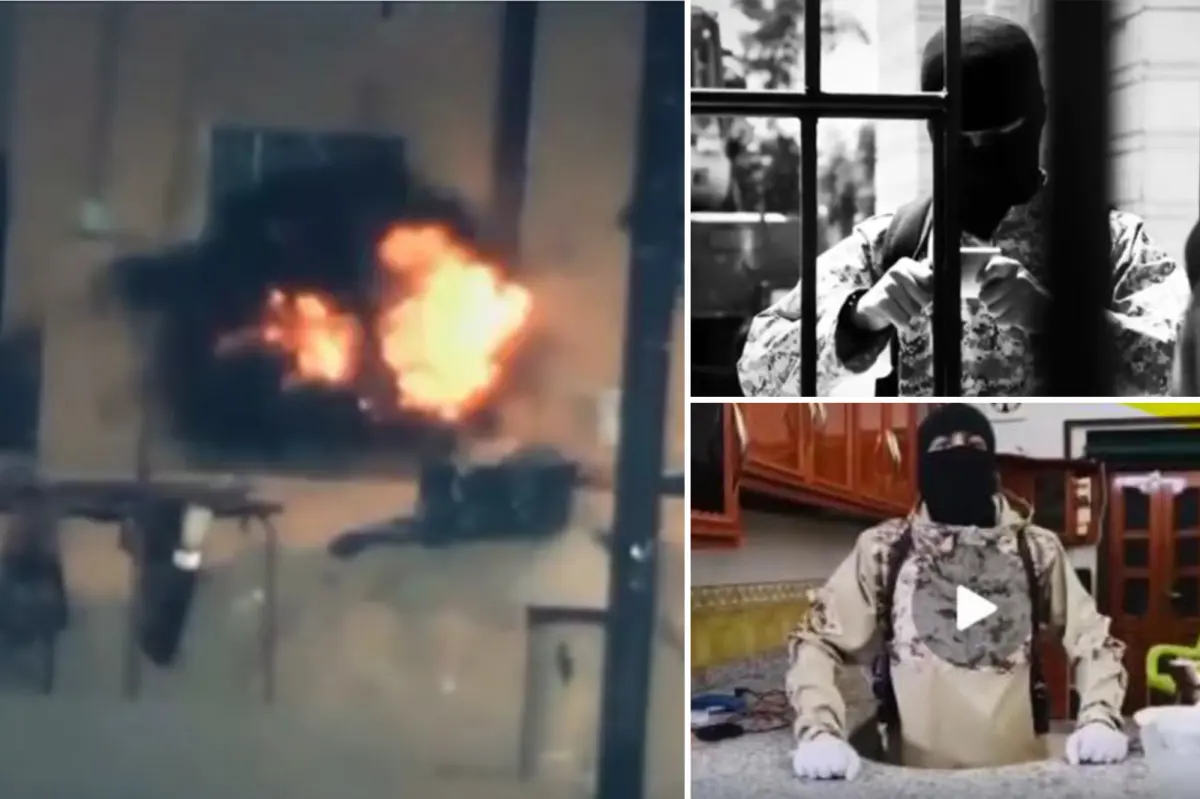
The investigation began in mid-October when an undercover NYPD officer discovered a social media account following several pro-ISIS profiles and expressing support for the terrorist organization. When contacted by the undercover officer, Garza reportedly identified himself as a 21-year-old Mexican American living in Texas. Over subsequent communications, Garza repeatedly expressed allegiance to ISIS ideology and shared official ISIS media releases, including disturbing imagery of explosions, masked individuals, and instructional videos on bomb-making demonstrated by a gloved ISIS member. The evidence suggests a pattern of increasing radicalization, with Garza moving from online sympathizing to concrete actions in support of terrorist activities. This trajectory mirrors what counterterrorism experts have long warned about: the power of online radicalization that can transform ideological sympathy into operational planning.
Garza’s commitment to the terrorist cause apparently deepened over time, as he allegedly sent cryptocurrency payments to the undercover officer in November and December, believing he was financially supporting ISIS’s acquisition of firearms and other materials. According to authorities, Garza then began discussing plans to purchase bomb-making ingredients himself, intending to meet with another supposed ISIS supporter—actually another undercover agent. The fateful meeting occurred on December 22, when Garza allegedly arrived with bomb-making materials and proceeded to explain how to mix the components to create an explosive device. He even offered to send an instructional video detailing the bomb-building process, demonstrating a disturbing level of commitment and technical knowledge. This escalation from online sympathy to physical preparation for violence represents exactly the kind of threat trajectory that counterterrorism officials most fear.
The collaborative effort that led to Garza’s arrest exemplifies the multi-agency approach that has become essential in countering terrorism in the post-9/11 era. The investigation was led by the FBI’s Dallas Field Office and the NYPD, with additional support from the FBI’s New York Field Office, Dallas Police Department, Midlothian Police Department, and Euless Police Department. NYPD Commissioner Jessica Tisch emphasized that “the threats of terrorism and extremist violence against our nation are still very real,” highlighting how law enforcement remains vigilant against ideologically motivated violence. Attorney General Pamela Bondi’s statement that “ISIS’s poisonous ideology must be ripped out root and stem” reflects the firm stance that federal authorities continue to take against terrorist sympathizers, regardless of where they may be found. The case demonstrates how local and federal agencies can effectively collaborate across jurisdictional boundaries to identify and neutralize potential threats.
Following his arrest, Garza made his initial court appearance on December 23 and is scheduled for a probable cause and detention hearing. He faces serious legal consequences, having been charged with attempting to provide material support or resources to a designated foreign terrorist organization—an offense that carries a maximum sentence of 20 years in federal prison. This case serves as a sobering reminder that the threat of terrorism remains present, even as public attention to it may have waned in recent years. FBI Director Kash Patel delivered a stark warning to others who might consider similar actions, stating: “Let this serve as a warning to those who plan to conduct attacks against the United States on behalf of terrorist organizations – you will be brought to justice.” The severity of the potential punishment underscores how seriously the judicial system takes these threats to national security.
This case raises important questions about radicalization in the digital age and the balance between monitoring potential threats and protecting civil liberties. While the details of this specific investigation appear to show a clear progression toward violence that warranted intervention, the broader implications of online surveillance and undercover operations remain subjects of ongoing debate in a democratic society. What is clear, however, is that the threat landscape continues to evolve. Where once terrorist organizations might have needed direct contact with potential recruits, online propaganda and social media now serve as powerful tools for remote radicalization. This case demonstrates both the persistent nature of terrorist threats and the sophisticated capabilities that law enforcement has developed to counter them. As Attorney General Bondi emphasized, those who attempt to support terrorist organizations should understand that they “cannot hide” from the reach of American justice, a message that authorities clearly hope will serve as a deterrent to others who might consider similar paths of radicalization and violence.