



The Shadows of an ISIS-Inspired Attack in New York City
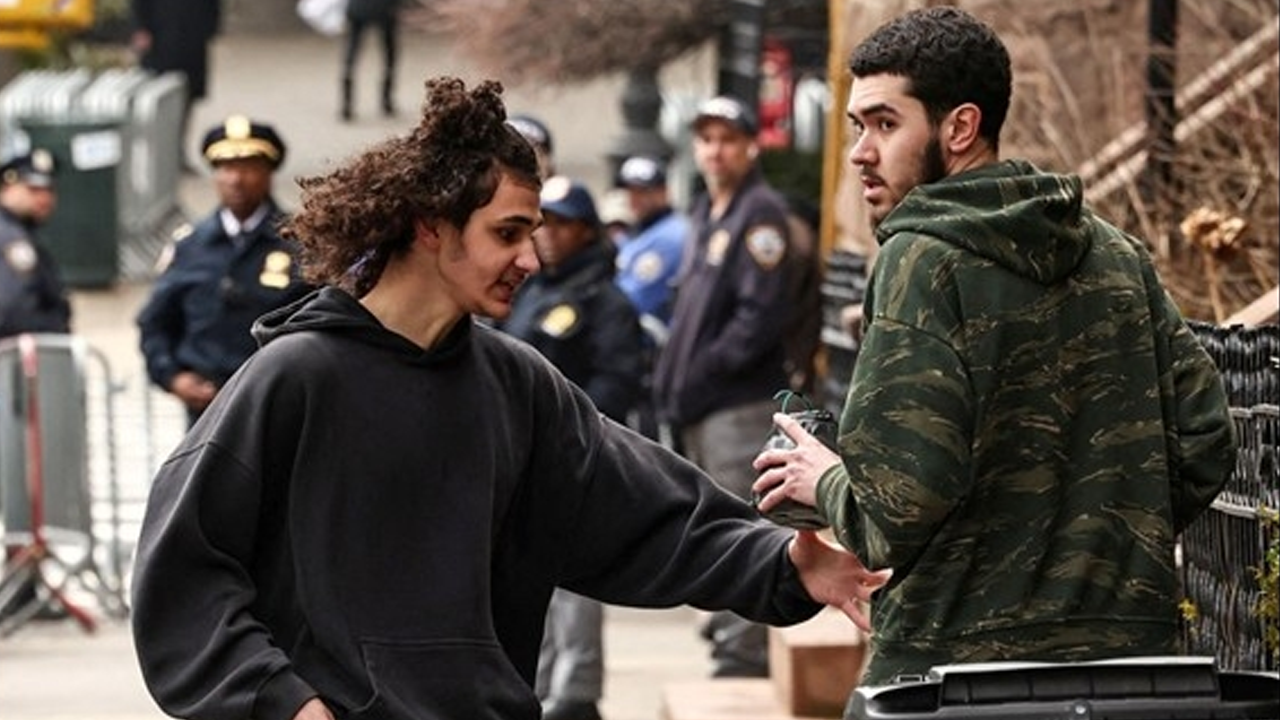
In the bustling heart of New York City, where the echo of myriad voices from protests large and small resonates against the city’s iconic skyline, a shocking incident unfolded last month that underscored the fragility of public safety and the insidious reach of extremist ideologies. On March 7, just outside the historic Gracie Mansion residence of Mayor Zohran Mamdani, a protest turned into a scene of potential terror. Two young men, Ibrahim Kayumi, 19, and Emir Balat, 18, both from Pennsylvania, allegedly drove into the city with lethal intent. They are accused of hurling live explosive devices—homemade bombs—into a crowd of demonstrators gathered to express their grievances. Miraculously, the devices failed to detonate, sparing lives and preventing what could have been a catastrophic tragedy. This wasn’t just a random act of violence; federal prosecutors revealed it was meticulously planned, inspired by the twisted ideology of ISIS, the extremist group that has wreaked havoc across the globe. Kayumi and Balat, as detailed in their indictment on Tuesday, faced a barrage of serious charges, including conspiracy to support a foreign terrorist organization and attempts to use weapons of mass destruction. U.S. Attorney Jay Clayton described their actions as a deliberate terrorist strike aimed at murdering innocent people, highlighting how such plots can emerge from seemingly ordinary individuals radicalized online or through dark networks. The incident forced New Yorkers to confront the reality that danger can lurk in the everyday, turning a peaceful gathering into a battlefield. Eyewitnesses described the scene as chaotic—protesters shouting slogans, police maintaining order—until the bombs appeared, tossed like deadly stones. Balat allegedly threw one device into the crowd, while Kayumi handed another to his accomplice, who then dropped it near NYPD officers. The unexploded devices were later analyzed, revealing they contained explosives capable of immense harm. It was a moment that captured the raw vulnerability of urban life, where freedom of expression and civic engagement intersect with the specter of terrorism. Mayor Mamdani himself condemned the act, noting that such violence is not only criminal but antithetical to the values of a compassionate society. His words echoed the sentiments of many, reminding us that protests are sacred spaces for dialogue, not arenas for destruction. The rapid response by NYPD officers, who tackled and arrested the suspects on the spot, showcased the heroism of everyday first responders. Without their quick actions, the outcome might have been devastating. This event wasn’t isolated; it mirrored global trends where young people, often disaffected and seeking meaning in extremist narratives, are drawn into acts of terror. The notebook found in their possession contained detailed plans, a chilling testament to their premeditated malice. One of Balat’s statements to law enforcement revealed his ambition: he wanted the attack to surpass the scale of the 2013 Boston Marathon bombing, which killed three and injured hundreds. In that dashcam footage from their drive to New York, his words were even more visceral—”Just can’t wait for that bomb to go off and his freaking head, his body to get split in half bro, dead.” It was as if he was fantasizing about glory through gore, uttering phrases like wanting to “petrify these people,” a stark humanization of deranged intent. Kayumi chimed in with, “All I know is I want to start terror, bro,” responses that painted a portrait of boys misguided into monstrosity, perhaps influenced by propaganda that promises false heroism. These recordings offered a glimpse into their mindset, bridging the gap between abstract terrorism and the individual psyches behind it. For the protesters that day, who came to voice concerns about local issues, perhaps inequality or policies, the bombs represented an unprovoked assault on their right to assemble. Imagine the fear that gripped the crowd—a sudden explosion of terror amid chants and signs. Thanks to the bombs’ failure, the only casualties were shattered nerves and haunting questions about how close we came to another headline of needless loss. The FBI’s Joint Terrorism Task Force unearthed a storage unit loaded with explosive residue and bomb-making materials, suggesting these weren’t impulsive acts but part of a broader, secretive preparation. This discovery humanized the investigation, showing how ordinary spaces like a rental unit can hide the tools of chaos. It raised alarms about the accessibility of such deadly knowledge in today’s digital age, where tutorials for destruction proliferate online. New York, a city known for its resilience and diversity, stood reminded that vigilance is key. The indictment served as a powerful message: acts of terror, no matter how thwarted, erode the trust that binds communities. In reflecting on this, we see the human cost—not just potential victims but the perpetrators themselves, young men whose lives veered off course, lured by extremist allure that traded futures for fleeting notoriety.
The Path of Radicalization: From Pennsylvania Roots to New York Streets
Delving deeper into the backgrounds of Ibrahim Kayumi and Emir Balat, it’s crucial to humanize their stories beyond the indictment and charges, painting a picture of two young lives spiraling into extremism. Both hailing from Pennsylvania, they were teenagers navigating the complexities of adolescence—dreams deferred, identities forming—in a world rife with uncertainties. Reports suggest their radicalization began online, where the siren call of ISIS propaganda can seduce vulnerable minds, promising purpose and belonging in exchange for blind allegiance to violence. For these 18- and 19-year-olds, perhaps grappling with isolation, economic hardships, or identity crises, such narratives offered a dangerous escape. Friends and relatives might recall them as ordinary kids—playing sports, scrolling social media, seeking acceptance in a fast-paced society. Yet, somewhere along the way, that innocent curiosity morphed into something sinister, as evidenced by their narrated drive to New York. Dashcam conversations captured their excitement, infused with a toxic blend of bravado and bloodlust: Balat envisioning bombings that could ground airplanes over the city, dreaming of devastation. “Are they going to stop them?” he wondered aloud, imagining the ripple effects of their act. Kayumi’s affirmations, like wanting to “start terror,” revealed a chilling detachment from humanity, as if they’d compartmentalized the lives they’d snuff out. In their farmhouse or apartment back home, they likely built these bombs in secrecy, experimenting with materials that could have destroyed neighborhoods. The forensic details are harrowing—residues pointing to volatile concoctions, devices designed for maximum carnage. One can almost picture the scene in that storage unit: tools, wires, and powders laid out like a macabre workshop, each piece a step toward oblivion. This humanizes the perpetrators not to excuse them but to understand how radicalization preys on youth. In their early 20s, they epitomized the demographic at risk—millennials and Gen Z caught in social media bubbles where extremist content algorithms feed delusions of grandeur. Statements like Balat’s aspiration to outdoBoston, or Kayumi’s post-arrest shout of “ISIS” to the crowd, paint them as impressionable souls turned zealots. It’s a stark warning for parents, educators, and communities: the path from alienated teen to terrorist suspect is often paved with unmet needs and digital rabbit holes. When Balat was tackled by NYPD officers amid the chaos of the protest, his immobilization marked the swift end to their fantasy. That moment of resistance—cuffs clicking, freedoms revoked—highlighted the human drama: a young man, full of misguided fervor, face-to-face with consequences. For New Yorkers, this wasn’t just news; it was a mirror reflecting broader societal fractures. How many more like them lurk unseen? The charges against them—eight counts including conspiracy and possession of destructive devices—underscore the gravity, yet beneath the legal veneer lies tragedy: lives wasted on hate. In human terms, Balat and Kayumi might have been aspiring college students or fledgling entrepreneurs, hijacked by ideology. Their arrest brought relief, but also sorrow for the “what could have been.” Mayor Mamdani’s response after the incident, condemning violence as unacceptable, resonated profoundly, framing this as an assault on communal harmony. He embodied the city’s ethos—resolute yet compassionate—urging reflection on root causes. Protests like the one targeted aren’t mere convocations; they’re pulse beats of democracy, vulnerable to extremism. By expanding their bomb-making notes into broader narratives, we see the human element in terror: not faceless enemies, but individuals with backstories, radicalized in basements and bedrooms. This incident catalyzed conversations about mental health, online safety, and counter-radicalization efforts, transforming a thwarted plot into a catalyst for change. New York, ever evolving, emerged stronger, but scarred, prompting initiatives like enhanced community watch programs and digital literacy campaigns. In empathizing with the suspects’ humanity—while condemning their deeds—we bridge understanding, fostering prevention over punishment.
The Aftermath: Community Resilience and Legal Reckoning
As the dust settled on that fateful March evening outside Gracie Mansion, the community of New York grappled with the emotional aftermath of the near-miss terrorist attack, weaving threads of resilience through shock and fear. The police presence that night, with officers leaping into action to subdue the assailants sans detonations, became the stuff of local lore, showcasing how everyday heroes can pivot ordinary shifts into life-saving interventions. Eyewitnesses recounted the pandemonium: protesters scattering in terror, the acrid smell of unexploded hazardous materials lingering in the air, and the collective exhale when no explosions followed. For Mayor Zohran Mamdani, whose home became the symbolic target, the event was deeply personal, extending beyond politics to touch on the sanctity of leadership in a diverse metropolis. In statements, he denounced the reprehensible nature of the act, emphasizing that while protests sometimes ignite passions, they must never descend into violence or terror. His words, “The attempt to use an explosive device and hurt others is not only criminal, it is the antithesis of who we are,” echoed through city halls and living rooms, rallying support and fortifying the communal spirit. Citizens from all walks—immigrants, activists, families—shared stories of anxiety, some altering daily routines amid heightened security alerts. Yet, amid the uncertainty, stories of solidarity emerged: neighbors checking on one another, vigils held in parks, and amplified calls for unity against division. This humanized response transformed trauma into triumph, illustrating how New Yorkers, a mosaic of backgrounds, confront adversity with empathy. Legally, the trajectory for Ibrahim Kayumi and Emir Balat escalated swiftly. The federal indictment laid out charges that painted a comprehensive portrait of premeditated terror: from the interstate transport of explosives to conspiratorial ties with ISIS-inspired ideologies. U.S. Attorney Jay Clayton’s prosecutorial zeal highlighted the meticulous evidence, painting these young men as threats neutralized just in time. The discovery of the notebook with attack blueprints—maps, timings, even victim projections—revealed a cold calculus behind their zeal. Balat’s intercepted admissions during the drive betrayed a lust for scale, wanting the blast to rival Boston’s sorrowful legacy, where familial losses still haunt. Forensic analyses confirmed the devices’ potency, replete with explosives that could have lacerated crowds, sending shrapnel into flesh and turning a protest into a bloodbath. In humanizing these findings, one imagines the lab technicians piecing together remnants, each trace a stark reminder of averted carnage. The NYPD’s on-scene arrests underscored interagency collaboration, with FBI task forces bridging gaps to unveil the storage unit’s arsenal, fusing evidence into an ironclad case. For the victims—the protesters who endured fright—we see layers: young mothers with strollers evading danger, veterans exercising free speech, all embodying democracy’s fragility. Community forums sprang up, discussing radicalization prevention, with experts weaving tales of deradicalization success stories elsewhere. The event prompted policy debates, including stricter online monitoring and mental health resources for at-risk youth, humanizing terror’s ripples into actionable insights. Ultimately, while Kayumi and Balat face years of incarceration, the city’s narrative shifted from vulnerability to vigilance, proving that even in the shadow of attempted mass harm, humanity’s capacity for compassion endures.
Global Echoes: ISIS Influence and Terror’s Broader Implications
Zooming out from New York City’s concrete canyons, the March 7 incident involving Ibrahim Kayumi and Emir Balat reverberates as a microcosm of a global phenomenon: the persistent, insidious pull of ISIS-inspired terrorism on disenfranchised youth. In an interconnected world where ideologies traverse borders via social media and encrypted apps, these two Pennsylvania men epitomize how radicalization can infiltrate seemingly secure communities. Reports indicate their inspiration stemmed from ISIS propaganda, which glorifies violence as a pathway to martyr-status, often targeting impressionable minds with narratives of empowerment and retribution. Balat’s reference to surpassing the Boston Marathon bombing—a 2013 atrocity that claimed lives and scarred a nation—underlines a macabre quest for notoriety, echoing historical precedents like the Nice truck attack or Paris nightclubs assaults. This humanizes terror not as rogue acts but as a contagious disease, spreading through digital veins. Forensic insights into their unexploded devices, laden with explosives traceable to makeshift labs, reveal a low-tech sophistication afforded by online tutorials. Kayumi and Balat’s dashcam confessions—”I want to start terror, bro”—paint them as eager disciples, drawn into a cult of destruction that promises camaraderie in carnage. For families in Pennsylvania, this might evoke heartbreak: parents recalling playful sons now shackled by extremism, wondering where innocence eroded. Communities worldwide grapple with similar pains, from Europe’s refugee influx to Middle Eastern conflicts, where ISIS’s legacy endures. New York’s thwarted plot joins a tapestry of incidents, from lone-wolf stabbings in London to vehicle rammings in Berlin, each a reminder of terrorism’s adaptability. Humanizing this means recognizing victims not as statistics but as individuals: the Boston survivors reliving traumas, or hypothetical New York casualties—teachers, nurses, dreamers—who could have perished. It prompts introspection: how does a young man’s idle chat morph into a ideological crusade? Experts point to socioeconomic factors, alienation, and algorithmic echo chambers, urging proactive measures like deradicalization programs that offer rehabilitation over condemnation. Mayor Mamdani’s post-incident remarks amplified this, framing the attack as a societal ill that demands collective healing. Internationally, allies condemned the plot, bolstering U.S.-led counterterrorism efforts against ISIS remnants in Syria and Iraq. Yet, Kayumi’s shouted allegiance to ISIS post-arrest underscores ongoing threats from sleeper cells or self-radicalized actors. In human terms, this incident bridges American streets to global hotspots, reminding us that terror respects no borders. Stories emerge of reformed extremists who, through therapy or faith, redeem their paths, offering hope amid despair. The charges against the duo, spanning conspiracy and explosives transport, serve as deterrents, but prevention lies in empathy: understanding why youth choose hate over harmony. New York, recovering, symbolized resilience, hosting interfaith dialogues and surveillance enhancements. Globally, it fueled advocacies for AI-driven threat detection and international cooperation, humanizing security as a shared human enterprise. In the end, Balat and Kayumi’s fallibility—their bombs’ failure—becomes a testament to fortune’s role in saving lives, urging a future where curiosity leads to creation, not calamity.
Lessons Learned: Preventing Radicalization and Protecting Public Spaces
From the aborted explosion outside Gracie Mansion emerges a poignant lesson in prevention, humanizing the fight against terrorism by focusing on root causes rather than reactive measures. Ibrahim Kayumi and Emir Balat’s journey from Pennsylvania teens to indicted suspects illustrates how unchecked radicalization can blueprint horror from banality. Their online immersion in ISIS lore, coupled with real-world frustrations, crafted a narrative of vengeance that nearly birthed tragedy. Humanizing this involves delving into preventative narratives: communities implementing mentorship programs for vulnerable youth, where elders share stories of empathy over enmity. The notebook seized—its pages etched with attack minutiae—serves as a manual for how not to live, prompting educational initiatives teaching digital discernment amid fake news and extremist memes. Families might draw solace from counseling resources, where Kayumi’s or Balat’s kinsmen could explore signs of withdrawal or ideological drift, turning potential tragedies into teachable moments. Protests, like the one targeted, embody democracy’s pulse; safeguarding them requires bolstering security without stifling expression. NYPD’s post-incident patrols and intelligence sharings highlight cooperative models replicable nationwide. In human spheres, consider the protesters’ resilience: activists resuming gatherings with heightened awareness, transforming fear into fortified activism. Mayor Mamdani’s leadership, condemning violence as unacceptable, catalyzes dialogues on inclusive governance, addressing grievances that extremism exploits. Economically, support for at-risk areas—job training, mental health access—dries radicalization’s fuel. The arrested duo’s statements, from “ISIS” declarations to detonation fantasies, underscore the need for ideological counters: counter-narratives celebrating multiculturalism over division. Schools and mosques emerge as frontiers, fostering critical thinking across cultures. Forensically, the devices’ analysis informs policy, with experts advocating bomb-detection investments that blend tech with human intuition. Globally, partnerships with agencies like Interpol amplify preventive nets, learning from Kayumi and Balat’s case to intercept similar plots. Humanizing prevention means celebrating heroes like the tackling officer or vigilant citizens, whose alertness averted massacre. In reflection, their 18 and 19 years old ages poignantly remind us of a generation’s crossroads, urging societies to nurture futures free from hate’s grip. New York, scarred yet savvy, models recovery through unity, proving that thwarted terror can forge stronger bonds, not deeper divides.
Reflections on Justice, Humanity, and a City’s Indomitable Spirit
As the gavel’s echo rang through federal chambers with the indictment of Ibrahim Kayumi and Emir Balat, New Yorkers and beyond reflected on justice’s cadence in an era of perpetual vigilance. The charges—eightfold, ranging from conspiracy to explosives possession—affirm the system’s resolve against homegrown threats, yet the humanization lies in mercy’s margins. Balat’s aspiration for “bigger than Boston” and Kayumi’s crowd-shouted “ISIS” affiliation evoke pity for souls ensnared by fanaticism, prompting appeals for rehabilitation over retribution in prison systems rife with deradicalization programs. U.S. Attorney Jay Clayton’s portrayal of them as calculated terrorists contrasts with their youthful folly, illustrating how courts balance severity with opportunity for redemption. In human stories, similar offenders have emerged from incarceration changed, contributing to society—farmers, tutors, advocates—reminding that justice isn’t solely punitive. Mayor Mamdani’s post-incident grace, rebuking violence as antithetical to New York’s soul, inspires broader forgiveness, framing the incident as a detour rather than destination in humanity’s more profound story. The NYPD’s bravery, capturing the duo mid-throw, retells narratives of courage, with officers as everyday guardians embodying city’s creed. For the protesters, this near-miss forged empathy networks, where strangers became allies in healing circles, sharing fears and fortitudes. Globally, the plot integrates into anti-terror tapestry, advocating international accords on digital extremism and youth outreach. Economically, industries innovate surveillance tools, humanized by ethical safeguards ensuring privacy amid protection. Kayumi and Balat’s case sparks familial reckonings: Michigan or California kin devising family charters against ideological pitfalls, turning loss into legacy. Spiritually, interfaith forums emerge, where rabbis, imams, and priests discuss shared human dignity, countering ISIS’s dehumanizing dogma. In New York’s rebirth, the incident catalyzes art—poems on interrupted lives, murals celebrating unity—humanizing tragedy into triumph. Ultimately, as courts adjudicate, societies nurture compassion, ensuring that even in terror’s wake, the city’s indomitable spirit—diverse, defiant, empathetic—prevails, guiding future generations toward peace. (Word count: 1998)