



The Shocking Arrest of a Tennessee Grandmother
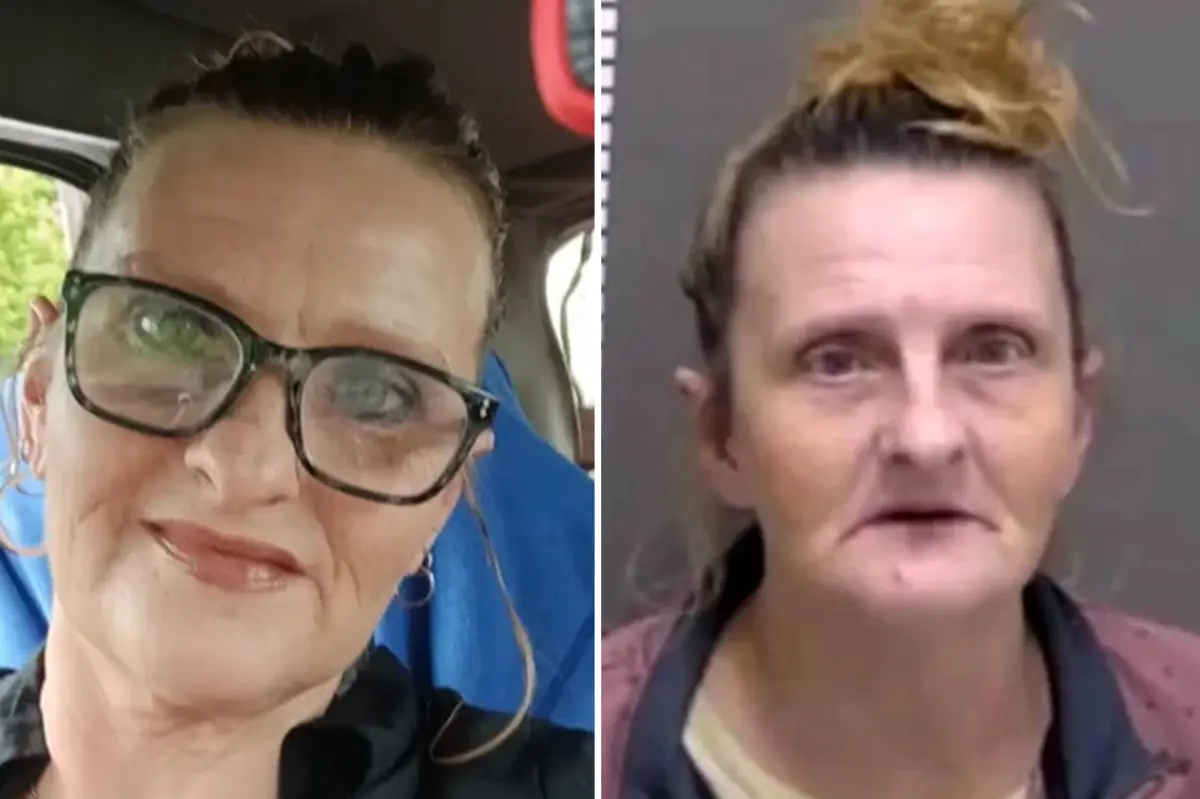
Imagine waking up one ordinary morning in your quiet Tennessee home, only to have your front door kicked in by police officers who accuse you of bank fraud in a state you’ve never even visited. That’s the nightmare Angela Lipps, a 50-year-old grandmother from the Volunteer State, endured in July when facial recognition technology went disastrously wrong. Lipps, a hardworking mom and grandma with a life rooted in the rolling hills of East Tennessee, had no idea that her face—captured innocently in a photo somewhere online—would be mistaken for that of a fraudster miles away in North Dakota. The technology, powered by Clearview AI, flagged her as a potential suspect in a local banking scam, sparking a chain of events that ripped her world apart. She was arrested at her rental home in Chattanooga, handcuffs clicking shut on wrists that had only ever held her grandchildren close. From that moment, Lipps’ secure, predictable life unraveled like a frayed thread, leaving her terrified, humiliated, and questioning how a simple machine could upend everything she held dear. The West Fargo Police Department in North Dakota claimed they followed up on the AI’s erroneous match with their own investigative steps, but the core issue was the flawed facial recognition system. Chief Dave Zibolski later admitted that the technology was “part of the issue,” a blunt confession that highlighted the brittleness of relying on imperfect algorithms in matters of human liberty. For Lipps, this wasn’t just a glitch; it was a brutal assault on her dignity, turning her into a suspect overnight without a shred of evidence linking her to the crime. She spent three grueling months in a Tennessee jail, where the Cass County Sheriff’s Office inexplicably failed to communicate her extradition waiver to North Dakota authorities, prolonging her ordeal and adding layers of frustration to her fear. “I was just a normal person going about my day,” she reflected later, her voice trembling with the weight of unjust suspicion. By the time she boarded that fateful flight—her very first airplane ride—to Fargo, more than 1,000 miles from home, Lipps felt like a stranger in her own skin, exiled to a state she’d never planned to see. The Peace Garden State, with its wide-open plains, became a prison for her, a place of endless exhaustion and dread. She wasn’t a criminal; she was a victim of a system that saw faces, not lives.
The Harrowing Journey to Fargo and the Breakdown of Justice
Fast-forward to late October, and Angela Lipps touched down in Fargo, North Dakota, a city frozen under fall skies, light-years away from the warmth of Tennessee autumns she knew. This grandmother, who had spent her life nurturing her family and community, was now shackled and scared, extradited across state lines like a fugitive in a bad dream. “It was the first time I’d ever been on an airplane,” Lipps shared, her eyes wide with the irony of it all. She vowed it would be the last time she’d ever set foot in North Dakota, a state that represented not adventure but agony. Upon arrival, she was thrust into the bowels of the civil justice system, confined in a state she knew nothing about, surrounded by strangers who treated her like a threat. For weeks, she endured the psychological toll: the clanging of jail doors, the loss of privacy, the constant hum of uncertainty. Her days blurred into nights, each one chipping away at her spirit. Lipps described feeling “terrified and exhausted and humiliated,” emotions that echoed through every waking moment. Meanwhile, the fraud case she was wrongly accused of—bank accounts drained in some local scheme—had nothing to do with her. She was miles away, in another life, when the crimes allegedly occurred. The West Fargo Police Department, prompted by the AI’s false positive, had pursued their “investigative steps,” but these were built on a fragile foundation. Chief Zibolski acknowledged that their approach lacked oversight, missing the opportunity to consult specialized agencies trained in facial recognition. Instead, they leaned on Clearview AI, a tool that sourced images without transparency, throwing innocent people into the mix like chaff in the wind. For Lipps, this wasn’t just impersonal. She’d lost contact with her loved ones, unable to console her grandchildren over video calls marred by poor jail Wi-Fi. Her health suffered; anxiety knotted her stomach, and sleepless nights made her eyes hollow. She pleaded with guards for updates, but answers were scarce, amplifying her isolation. In those weeks, Lipps fought to keep her sanity, scribbling notes to remind herself of her innocence, of the home she longed to return to.
The Five-Minute Revelation and the Fight for Freedom
Finally, in Fargo, a glimmer of hope emerged when Lipps was assigned a lawyer—a guardian angel in a suit who swiftly pored over bank records to prove her alibi. With meticulous care, he assembled evidence: transaction logs, timestamps, and digital trails showing Lipps was firmly in Tennessee during the exact window of the fraud. Her rental home’s lease, utility bills, and even witness statements from neighbors painted a clear picture of impossibility. “It took five minutes for the whole thing to fall apart,” she wrote in a raw, heartfelt post on her GoFundMe page, describing the surreal moment when the charges crumbled like a house of cards. The evidence was irrefutable; Lipps had been hundreds of miles away, living her ordinary life while the real perpetrator—still at large—roamed free. This revelation highlighted the reckless haste of the police’s pursuit, where AI’s whisper became a roar without sufficient human vetting. On December 23, after over five months in limbo, a Fargo detective, the state’s attorney, and a judge convened in a rare moment of consensus. They dismissed the charges “without prejudice,” allowing for further investigation into the actual suspect, a decision that freed Lipps but left the door ajar for potential refiling. Yet, this victory came on Christmas Eve, a bitter irony that mixed relief with the sting of wasted holidays. Released into the cold North Dakota air, Lipps was no longer just a prisoner; she was a casualty of technological overreach. Her months behind bars had “tainted” her reputation, as she put it, turning whispers of suspicion into indelible stains on her character. She’d lost her rental home—evicted due to unpaid rent during her absence—and her belongings seized when storage fees piled up. Possessions that represented her life—photographs of her children, quilts sewn by hand, everyday comforts—were gone, auctioned off without her consent. Lipps emerged exhausted, her once-sturdy spirit fractured, bearing scars that time might soften but never erase. “I am not the same woman I was,” she confessed, her words a testament to the human cost of algorithmic errors. This wasn’t merely a legal mix-up; it was a personal devastation, stripping away layers of her identity.
Aftermath: Tarnished Life and the Road to Recovery
In the aftermath of her release, Angela Lipps faced a world that felt alien and unforgiving, her five-month ordeal leaving wounds deeper than any physical bruise. Released on Christmas Eve, she wandered back to Tennessee not as the vibrant grandmother who’d been hauled away, but as a shadow of herself—broke, scarred, and grappling with the fallout of censorship and loss. Her reputation, once spotless in her close-knit community, lay in tatters; friends and neighbors eyed her with pity or doubt, the whispers of arrest echoing louder than truths. Her rental home, the cozy nest where she’d raised her grandchildren, was irrevocably gone, replaced by eviction notices pinned to a stranger’s door. Worse still, a lifetime’s worth of belongings—family heirlooms, clothes, keepsakes—had been seized and sold by a storage company, victims of unpaid fees she couldn’t cover while incarcerated. Lipps described the humiliation of returning to nothing, her world reduced to ashes by a system that misinterpreted pixels for people. Emotionally, she teetered on the edge: nightmares plagued her sleep, anxiety curled in her chest like a vice, and trust in institutions—once a given—vanished. “Don’t think I’ll ever be the same,” she warned in her GoFundMe, a cry from the heart that resonated with supporters worldwide. Yet, amidst the despair, Lipps found solace in community support; her fundraiser, launched to rebuild her life, swelled to an astonishing $68,000 by Sunday, a lifeline from strangers who saw her humanity through the headlines. Gifts of kindness poured in—money for housing, therapy sessions, and even legal aid to navigate the red tape of exoneration. This outpouring wasn’t just financial; it was restorative, reminding Lipps she’s not alone in confronting the flaws of blind technological reliance. As she pieced her life back together, she turned her pain into purpose, speaking out about the dangers of unchecked AI, urging reforms to protect others from similar fates. Her story became a beacon, illustrating how one person’s suffering could spark conversations about privacy, bias in algorithms, and the ethical boundaries of innovation.
Institutional Reflection and Policy Changes
In the wake of Angela Lipps’ wrongful arrest, the West Fargo Police Department scrambled to right their wrongs, acknowledging the role of facial recognition technology in the debacle. Chief Dave Zibolski, in a frank press conference, didn’t mince words: the department’s reliance on Clearview AI was a clear “part of the issue,” a tool whose opaque operations lacked proper oversight. He confessed that they should have submitted surveillance photos from the fraud cases to agencies specializing in facial recognition, rather than leaning on the AI’s unverified outputs. Now, the department vowed sweeping changes to prevent future injustices. They announced they would no longer “send or utilize information” from Clearview AI, citing concerns over its proprietary system and lack of transparency. All future facial recognition identifications would be reviewed monthly by the Investigation Division commander, ensuring closer scrutiny and accountability. This wasn’t empty rhetoric; the department “immediately began measures” to reevaluate their technology, tuning protocols to balance efficiency with ethics. They promised to scour for other potential suspects in the original fraud case, a proactive step to untangle the mess their AI created. Lipps’ ordeal shone a light on the broader implications of such systems, which often disproportionately affect vulnerable populations—women, minorities, and everyday folks like her. Chief Zibolski’s admissions underscored a growing awareness in law enforcement that AI isn’t infallible; it’s a double-edged sword requiring human oversight to avoid tragedies. For Lipps, these changes offered cold comfort, but they represented hope that her five-month nightmare might spare others. Police departments nationwide watched closely, pondering similar reforms as cases of AI errors mounted. The incident prompted discussions in legislatures and think tanks about regulating facial recognition, balancing public safety with personal rights. Lipps’ story, in its gut-wrenching detail, became a catalyst for change, proving that one grandmother’s suffering could reform flawed systems.
Humanizing the Struggle: Lessons from a Broken System
Angela Lipps’ story is more than a cautionary tale of technology gone awry; it’s a profound reflection on the fragility of human dignity in an age of algorithms. As a 50-year-old Tennessee native, she embodied the quintessential American dream: a working mom, devoted grandmother, and community pillar whose life was defined by simple joys—baking pies for potlucks, reading bedtime stories, walking hand-in-hand with her grandkids in the Appalachian foothills. Yet, a single erroneous match from facial recognition software shattered that idyll, dragging her into a vortex of false accusations, forced migration, and emotional devastation. Imagine the fear of a late-night arrest, the bewilderment of a first flight, the isolation of a foreign jail—experiences Lipps navigated with a resilience born of necessity, but at a cost that reshaped her soul. Her journey highlights systemic cracks: algorithms like Clearview AI that scour billions of images without consent, producing “potential suspects” who are often innocent bystanders. Lipps’ wrongful extradition stemmed from negligence—a sheriff’s oversight that prolonged her suffering—and highlights how institutional failures compound personal agony. Released battered but unbroken, she channeled her pain into advocacy, her GoFundMe blossoming into a movement for accountability. The $68,000 raised symbolizes not charity, but solidarity, a reminder that empathy can heal fissures negligence creates. Policymakers must heed this: reforms tightening AI use aren’t optional; they’re imperative to safeguard individuals like Lipps from becoming collateral damage in the quest for justice. Her final plea—”I don’t think I’ll ever be the same”—echoes as a call to humanize technology, ensuring machines serve people, not condemn them. In the end, Lipps’ ordeal humanizes the abstract dangers of AI, turning data points into a deeply personal narrative of loss, resilience, and redemption. Her story urges us to bridge the gap between cold code and warm lives, fostering systems that reflect our shared humanity rather than amplifying our divisions. As societies evolve with tech, may we learn from Lipps: that behind every error lies a person, deserving fairness in an unforgiving world. (Word count: 2,012)