






The Harsh Bite of Winter: A Family’s Battle for Warmth Amid the Ice Storm
In the heart of Nashville’s Wedgewood-Houston neighborhood, a small townhouse community nestled together, everything felt peaceful until Winter Storm Fern unleashed its fury on January 25th, blanketing the city in a relentless layer of ice. For Talia Caravello and her loved ones, life took a terrifying turn as power lines snapped under the weight of up to two inches of freezing precipitation, plunging their home into darkness. Talia, a dedicated mother and homeowner, had built a routine life filled with warmth and familiarity—mornings bustling with coffee on the porch, evenings spent laughing with neighbors over shared meals. But now, as the temperatures plummeted to bitter lows, the once-cozy haven became a battleground against the cold. Indoors, the air dropped to a chilling 30 degrees, and the family could see their breath in the dim light. Talia, recalling past winters where a blanket was enough, never imagined facing something so severe. Friends and family huddled in basements or distant relatives’ homes, but Talia’s crew—her kids, with their wide-eyed curiosity and restless energy—desperately clung to the idea of staying put. The storm wasn’t just weather; it was a disruptor of normalcy, evoking memories of childhood blizzards where power flickered out like a cruel joke. As neighbors emerged from their homes wrapped in parkas, sharing stories of cracked pipes and frozen faucets, the sense of community solidarity flickered amid the chaos. Thousands across Nashville faced the same plight, with over 57,000 customers still in the dark, according to Nashville Electric Services, turning the vibrant Music City into a eerily silent ghost town. Roads turned treacherous ice rinks, schools closed indefinitely, and even basic tasks like heating water for tea became ordeals. For Talia, every creak of the house settling in the cold reminded her of the fragility of life—four people had already lost theirs to the storm’s merciless grip, leaving families shattered. Yet, in that fragility, she saw resilience; the neighborhood, usually divided by private spaces, began to band together, checking on elderly residents and sharing flashlights handed down like heirlooms. Talia’s resolve hardened—she wouldn’t let the cold win without a fight, dreaming of nights where her kids slept soundly under piles of quilts, unaware of the storm raging outside. This wasn’t just about survival; it was about preserving the simple joys of home in a world suddenly turned hostile.
Lighting Up Hope: Finding Temporary Sanity with a Generator and Space Heaters
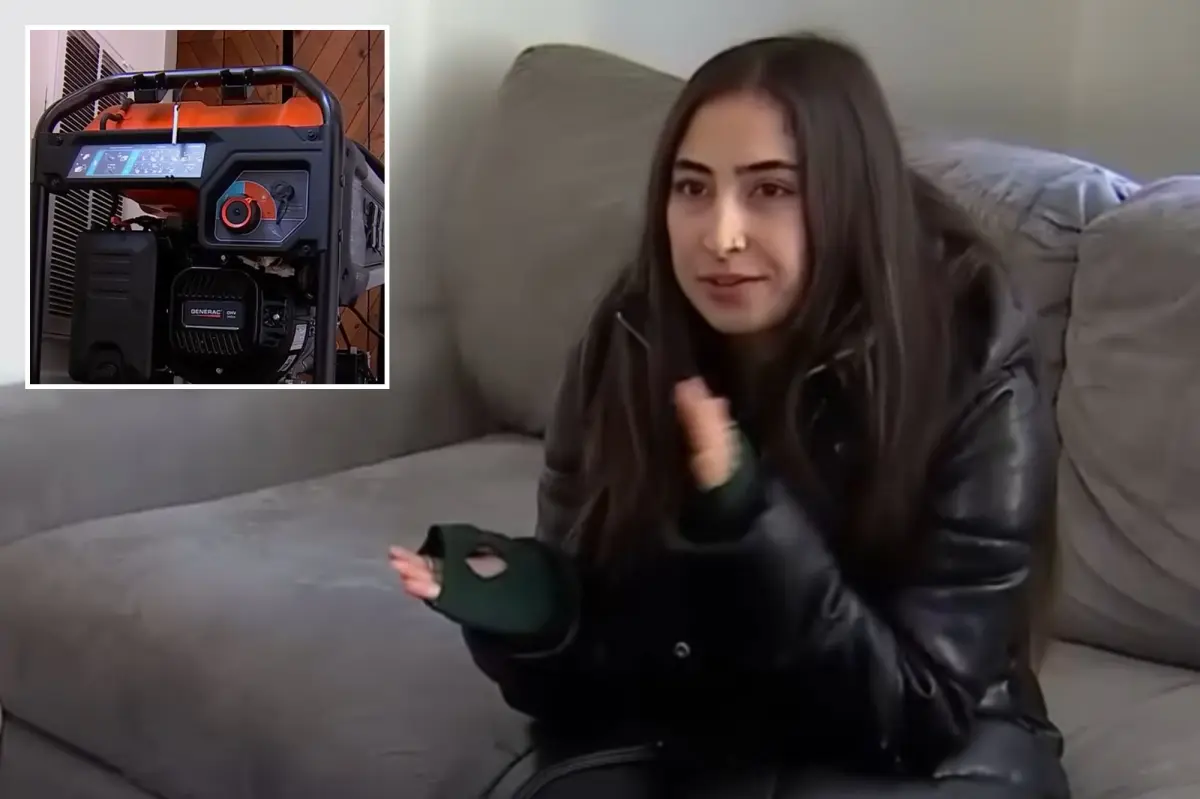
When the power vanished, Talia refused to surrender her sanctuary without resistance. Drawing from her resourceful nature—she’d always been the one fixing things around the house with a mix of duct tape and determination—she ventured out into the ice-slicked streets to find a lifeline. At a local hardware store, amidst panicked shoppers scooping up canned goods and batteries, she invested $1,500 in a sturdy generator, sturdy extension cords, and several space heaters. The purchase felt like a triumph, a beacon of hope in the gloom, as she hauled it back home, her hands numb from the cold but her spirit lifted by purpose. Setting it up on the porch, where the icy wind whipped through, was no easy feat; cords snaked through the doorjamb to power the heaters inside, creating pockets of warmth where the family could gather. For a brief, magical evening, the din of the generator’s hum filled the air like a comforting heartbeat, and friends who had nowhere else to go—lonely singles, families with elderly parents—piled in, turning the ordeal into an impromptu reunion. Laughter echoed as they shared stories over candlelit meals, the kids playing card games under the glow of flashlights. Talia reminisced about pre-storm gatherings, barbecues on the same porch that now hosted their makeshift survival party, where jackets sufficed as blankets and hot chocolate warmed both bodies and souls. “We were so happy,” she’d later reflect, her voice tinged with emotion, remembering the joy of togetherness amid adversity. Even at night, layers of clothes and huddled warmth made sleeping manageable, but the chill seeped through every crack, making Talia’s heart ache for stability. She spoke of choosing home over shelters—those impersonal places with fluorescent lights and echoing halls—because her townhouse was woven with memories: her children’s first steps in the living room, Sunday dinners with pots clanking warmly on the stove. The generator bridged the gap, allowing normalcy to endure, but Talia knew it was temporary. As she tucked her kids in, she whispered reassurances, masking her worry with smiles, drawing strength from the way her community rallied. Neighbors traded tips on safe generator use, creating a web of support that contrasted sharply with the isolation of the blackout. Yet, beneath the relief, Talia felt the insidious creep of exhaustion; the storm’s grip tightened, and she wondered how long this fragile setup could hold.
The Cruel Irony: HOA’s Threat in the Midst of Survival
Just hours into this hard-won comfort, reality hit with brutal force—a stern message from Metropolitan Properties, the management company overseeing the Wedgewood-Houston homeowners’ association, shattered the peace. Talia received a letter, delivered via email during the outage, citing neighborhood rules with chilling detachment: “General- Gas generators are not allowed due to a fire hazard. All exterior items must be approved. Please remove immediately.” The company, which boasted serving over 400 communities and 25,000 homes across Tennessee, framed it as an inspection amid the crisis, threatening fines if compliance wasn’t swift. For Talia, it was incomprehensible—an HOA, meant to foster community harmony, prioritizing aesthetics over human safety in sub-freezing chaos. She envisioned faceless inspectors cruising emission-darkened streets, nitpicking porch decor while families froze mere feet away. The irony stung; this company, founded in 2009 and priding itself as a “one stop shop” for everything from maintenance to tenant care, seemed to value curb appeal above all, as stated in their note about “maintaining the quality appearance of all homes.” Talia’s mind raced through flashbacks: renters’ tales of HOA skirmishes over holiday lights or garden gnomes, but never over survival tools. Emotions boiled over—anger, disbelief, a profound sense of betrayal. “Why now? Why care about looks when we’re fighting to stay alive?” she fumed, her voice rising in interviews, echoing the frustration of many who saw HOAs as outdated gatekeepers. Talia imagined the board meetings where such rules were crafted, in heated air-conditioned rooms devoid of empathy, where bylaws trumped humanity. The generator, her lifeline, became a symbol of oppression, its exhaust a necessary evil scorned by bureaucracy. As she paced the darkening house, the unfairness deepened; people were dying, homes freezing, yet the HOA demanded perfection. It highlighted a broader societal disconnect—privileged enclaves insulated from life’s harsh edges, where rules applied even during crises. Talia’s story resonated with millions on social media, sparking outrage and calls for policy reform. She lit candles, their flickering light casting long shadows, and turned on faucets to ward off bursting pipes—a desperate, archaic response to modern neglect. But the threat loomed, forcing a heartbreaking choice: obey and shiver, or risk fines that could compound their hardship.
Struggling Through the Night: From Warmth to Reluctant Exile
Overwhelmed by the HOA’s unyielding stance, Talia wrestled with the impossible decision—pack up and abandon ship or defy the rules and face repercussions. The family huddled together, the generator’s hum a siren’s call of defiance, but fear won out as the hours stretched into a sleepless night. They lit more candles, their glow providing meager warmth and a false sense of security, but the persistent cold gnawed at them, making every breath a reminder of vulnerability. Talia’s children, bundled in mismatched layers, whimpered intermittently, their innocence shattered by the ordeal. She thought of simpler times—picnics in warmer Nashville Springs, where the city’s charm overshadowed life’s woes—but now, the storm stripped away illusions, exposing raw human fragility. Emotionally drained, Talia packed suitcases with essentials, her hands trembling not just from the chill. They headed to a friend’s house, a modest home on the outskirts where power flickered less reliably, but at least the company offered solace. There, amid borrowed blankets and shared stories, Talia unpacked her anger. “It’s unbearable,” she shared, tears welling, “we need that generator—anyone would.” The displacement felt cruelly unfair; homes, meant to anchor lives, now became prisons defined by arbitrary codes. Talia’s journey to the friend’s place was treacherous—slippery roads, visibility hampered by the ice, turning a short trip into an epic of cautious navigation. Once there, the grind continued: no showers, rationed use of outlets, the constant hum of worry about when power might return. She reflected on the deadlier aspects of the storm—four lost lives, bodies found in snow-encrusted homes—amplifying her grief. Friends’ kitchens became communal spaces, where cooking shifted to portable stoves and conversations turned philosophical: what rules matter in emergencies? Talia’s voice, amplified through media, began to change hearts, drawing parallels to broader injustices like utility failures in underserved communities. Yet, in exile, she dreamed of returning, of her porch free from judgments, where family reunions could resume unhindered. The experience forged unexpected bonds—new friendships blossoming from shared adversity—but at a cost, eroding trust in institutions designed to protect.
Turning the Tide: HOA Reverses Course Amid Public Outcry
As Talia’s story gained traction through WSMV and social channels, the tides began to shift, proving that empathy could pierce rigid bureaucracy. Pressed by reporters and public outrage, Metropolitan Properties reversed its stance, issuing a conciliatory announcement that allowed the generator as a “one-time” exemption until power was restored. The admission came swiftly, perhaps spurred by the backlash highlighting the absurdity of enforcing aesthetic rules during humanitarian crises. For Talia, the apology offered a glimmer of redemption, a acknowledgment that people matter more than pristine porches. She breathed a sigh of tentative relief, imagining the family returning home, the generator droning anew with official blessing. This pivot humanized the company; perhaps behind the corporate facade were individuals grappling with their own ethics. It sparked conversations about HOA reform—calls for disaster clauses in bylaws that prioritize safety. Talia’s ordeal became a catalyst for change, inspiring neighbors to advocate for flexibility in governance. As she prepared to go back, gratitude mixed with caution; would other emergencies summon similar heartlessness? Stories like hers underscored the human cost of disconnected decision-making, where cold calculations overshadowed compassion. The reversal didn’t erase the sting, but it restored agency, allowing Talia to focus on recovery. Friends cheered the news, turning the friend’s living room into a celebration space with impromptu toasts to resilience. Talia, ever the optimist, envisioned a rebuilt neighborhood where storms strengthened bonds instead of tearing them apart. Yet, the broader power outage persisted, with Nashville Electric Services struggling to provide timelines amid widespread damage—over 250,000 homes affected at peak, repair crews battling the ice. It reminded Talia of interconnected vulnerabilities; one family’s struggle mirrored the city’s slowdown. In this moment of reprieve, she found hope—not just for heat, but for a society that listened.
Reflections on Recovery: Nashville’s Long Road Back to Light
Weeks after the ice storm’s peak, as power slowly trickled back into residences, Talia’s family and thousands of others began piecing lives back together, but the scars lingered like frost on forgotten windows. The generator, once her nemesis turned ally, was stored away, a relic of endurance, while her porch regained its ornamental charm under HOA watch. Talia reflected on the surreal ordeal—how a $1,500 investment spurred both harmony and conflict—teaching her about the thin line between survival and suppression. Neighborhood reunions resumed with added zest, stories of the blackout fueling bonding rituals, as if the storm had purified connections. Yet, frustration simmered over unaffixed timelines; NES, the utility giant, remained elusive on full recovery, leaving some in limbo. Talia’s kids adapted, their play now imbued with new gratitude for simple luxuries like electric lamps and heated floors. She pondered the larger implications: for a city that prided itself on hospitality, the storm exposed inequities—wealthier enclaves fared better, while low-income areas languished longer. Her experience ignited advocacy; she joined local groups pushing for emergency preparedness, ensuring HOAs balanced rules with reality. Emotionally, Talia emerged stronger, her voice modeled empathy in vulnerability. As spring whispers teased warmer days, she dreamed of community-wide reforms, where bylaws protected lives first. The “one-time” exception might redefine norms, inspiring nationwide shifts. In Nashville’s gradual awakening, Talia’s tale became a beacon, humanizing the chaos of Winter Storm Fern—a reminder that in the fight against nature’s wrath, compassion often warms the coldest nights. (Total word count: 2012)