



The Shocking Discovery of a Teen Nightmare
It was a crisp September evening in 2006 when the quiet town of Pocatello, Idaho, was rocked by the brutal murder of 16-year-old Cassie Jo Stoddart. House-sitting alone for her relatives in a seemingly safe neighborhood, Cassie had been living a typical high school life—full of friends, art class, and big dreams for the future. But that night, her bubbly personality and open heart made her the unsuspecting victim of two classmates who had crossed a deadly line from fantasy to reality. The last people to see her alive were her boyfriend, Matt Beckham, and two friends, Brian Draper and Torey Adamcik, both 16 years old and obsessed with slasher films like the 1996 thriller “Scream.” As investigators dug into the case, they initially suspected foul play but struggled to connect the dots in a close-knit community where everyone knew each other. The breakthrough came when they unearthed a buried videotape hidden in a remote canyon pit, a chilling artifact that revealed the boys’ twisted plot to turn a movie-inspired obsession into a nightmare. On that tape, Draper and Adamcik weren’t just planning a prank; they were scripting their own horror story, complete with homemade masks mimicking those in “Scream,” dreaming of fame and notoriety as “mastermind killers.” It wasn’t just a spur-of-the-moment act—it was premeditated, fueled by the excitement of teenage boys who imagined themselves as movie villains, complete with crises and chases. Yet, after the deed was done and the adrenaline faded, panic set in. They tried to destroy the evidence, burning part of the tape and burying it alongside their masks and bloodied clothes, terrified that the world might see them for what they truly were: not Hollywood heroes, but horrified kids grappling with the irreversible horror they’d unleashed.
Cassie Jo Stoddart was the kind of girl who lit up any room she entered, her friends and teachers recalled. With her warm smile, creative spirit, and genuine care for others, she was the epitome of a promising teen on the cusp of adulthood. Her art teacher, who saw potential in her sketches even if they weren’t masterpieces, remembered her fondly as “just Cassie”—an authentic soul with a big heart and even bigger ambitions. She wasn’t perfect, and that’s what made her so real, her peers said. House-sitting for her aunt and uncle afforded her a taste of independence, but it also left her vulnerable in a large, isolated home. Her boyfriend Matt, ever protective, had tried to stay with her, but for reasons that still haunt him, he left that fateful night, unaware of the danger lurking in the shadows. The community mourns her loss to this day, twenty years later, her memory a reminder of how one inexplicable act of violence can shatter a young life. Cassie’s mother, Anna, became a fierce advocate for justice, pushing tirelessly for the harshest sentences possible, her grief morphing into a public crusade. Anna’s story is one of unimaginable pain; she lost her daughter and later battled her own health struggles, dying in 2022 still carrying the weight of an unhealed wound. For Cassie’s loved ones, it’s not just about the crime—it’s about the hole she left, the laughter silenced, the futures undone. Her kindness was her shield, and yet it became the very thing that drew predators into her orbit, a cruel irony that underscores how even the most innocent among us can fall victim to the darkest corners of human nature.
Brian Draper and Torey Adamcik were ordinary teens from what appeared to be good homes, blending into the high school scene without standing out as troublemakers. Brian, the aspiring movie buff with a shy demeanor, dreamed of girls and confidence but found solace in horror films that spoke to his imaginative world. Torey, his accomplice, shared that fascination, and together they bonded over late-night talks about slasher flicks, where the boundary between fiction and reality blurred dangerously. In their minds, the iconic “Scream” wasn’t just entertainment—it was inspiration, a blueprint for glory. They planned meticulously, compiling what they called a “kill list” of potential victims, selecting someone accessible, someone they knew. That Friday night in September, opportunity knocked: Cassie was alone, and the boys seized it. Armed with knives and masks, they slipped into the house, not just to scare but to kill, imagining the thrill of becoming infamous survivors of their own twisted script. Draper’s initial confession painted a picture of a “prank gone wrong,” where he claimed Adamcik acted alone in a stabbing frenzy while he watched in shock. But the truth, unearthed from the canyon pit, told a different story—one of two equal participants reveling in the gore, their voices on the tape dripping with giddy excitement as they discussed the rush, the power of taking a life. As teenagers, they underestimated the permanence of death, fueled by hormones, pop culture, and a misplaced desire for validation. Years later, reflecting behind bars, they admit it was a folly of youth, a misadventure in mayhem that destroyed lives, including their own.
The videotape, that damning piece of evidence, captured glimpses into the boys’ unhinged psyche without directly showing the violence itself. Filmed in Draper’s car just after the stabbing, it featured the two teens, still buzzing from the adrenaline, laughing and high-fiving as they recounted the night’s events. “This is gonna be like ‘Scream,'” Draper said, echoing their plan to fashion their crime as a cinematic masterpiece. They admitted to feeling an euphoric high, the kind movie characters chase, but reality hit hard once they realized the stakes. Attempting to burn the tape, they buried it with the rest of their gear, digging a shallow grave in the canyon under the cover of night. Police, following clues from Draper’s breakdown during a polygraph, found it all—the scorched evidence, the masks stained with tragedy. The docuseries “The Scream Murder” brings this to life, showing how these boys, mesmerized by on-screen horrors, lost sight of their humanity. Director Lisa Quijano Wolfinger, a mother herself, wrestled with the chilling normalcy of it all, pondering what teenage logic led two supposed friends to betray trust and inflict terror. “They were playing roles,” she reflected, “not seeing Cassie as a person but as part of their script.” The aftermath forced a reckoning; the boys’ glee turned to dread, their fame-seeking to futile hiding. It’s a stark lesson in how inspiration can morph into evil, how the digital chases and kills of “Scream” inspired real bloodshed, leaving a community to pick up the pieces of a puzzle marked by lost innocence.
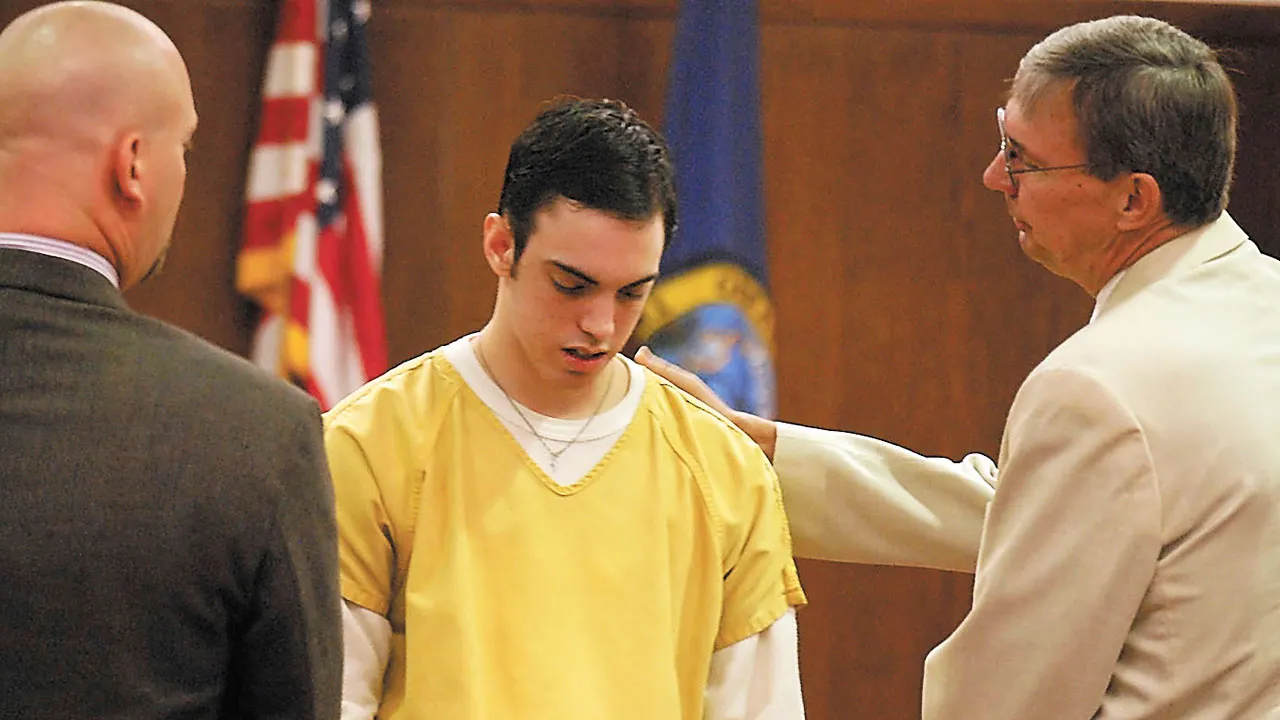
Justice came swiftly in the shadow of such horror. In 2007, Brian Draper and Torey Adamcik stood trial for first-degree murder, their defense claims of manipulation and immaturity ringing hollow against the irrefutable tape. The courtroom buzzed with outrage as prosecutors unveiled the cold facts: premeditation, conspiracy, a calculated assault that ended Cassie’s vibrant life. Convicted, they were handed life sentences without parole, plus an additional 30 years tacked on for the plot’s conspiracy—a punishment fitting the gravity of their crime, ensuring they’d rot behind bars as reminders of the cost of reckless ideologies. Appeals filed in 2010 and 2011, pleading for leniency based on youth, were swiftly denied by the Idaho Supreme Court. Now in their mid-thirties, time has fundamentally changed them. “The Scream Murder,” streaming on Hulu, features candid interviews from prison, where the men—aged by regret—express deep remorse. “As teenagers, we didn’t fully grasp the consequences,” Draper laments, his voice heavy with hindsight. Adamcik echoes this, acknowledging the irreparable harm to Cassie’s family, their own parents, and a town forever scarred. Wolfinger praised their candor, noting how incarceration has forced introspection. No longer the thrill-seekers of yesteryear, they’ve confronted the monster they awakened, pleading with viewers to learn from their folly. The docuseries doesn’t just recount the crime; it humanizes the fallout, showing how the law, while punitive, couldn’t undo the damage.
The ripple effects of that September night linger, touching everyone involved in profound, sometimes unintended ways. Cassie’s absence is a void her friends and family navigate daily, her memory a beacon of what could have been—a career in the arts, perhaps, or simply a life lived to its fullest. Her mother Anna’s advocacy kept the embers of justice burning, her public support for life sentences a testament to maternal ferocity, even as her own battle with illness claimed her. Meanwhile, Draper and Adamcik’s parents grapple with eternal questions: How did their boys, raised in stability, descend into this abyss? They speak of social struggles—Brian’s quest for popularity, Torey’s isolation—and the siren call of movies that romanticized violence. “We don’t see the 16-year-olds we raised in that tape,” one parent confided, their pain palpable. The crime didn’t just end lives; it fractured identities, strained relationships, and forced a community to reckon with hidden shadows. As Wolfinger observed, these were kids from decent homes, struggling silently, whose fascination with horror bred horror of its own making. Through interviews, the docuseries peels back layers, revealing remorseful men who weep for the girl they called a friend, their actions a permanent scar on American true crime lore. It’s a cautionary tale that blurs the lines between entertainment and emulation, urging us to examine how pop culture can ignite dark impulses in impressionable minds. In humanizing this tragedy, we see not monsters, but flawed humans—victims and perpetrators alike—caught in a web of choices that echo forever. Cassie’s story demands we pause, reflect, and honor her light by ensuring such nightmares don’t repeat.