





The Harrowing Tragedy in Kingsbridge
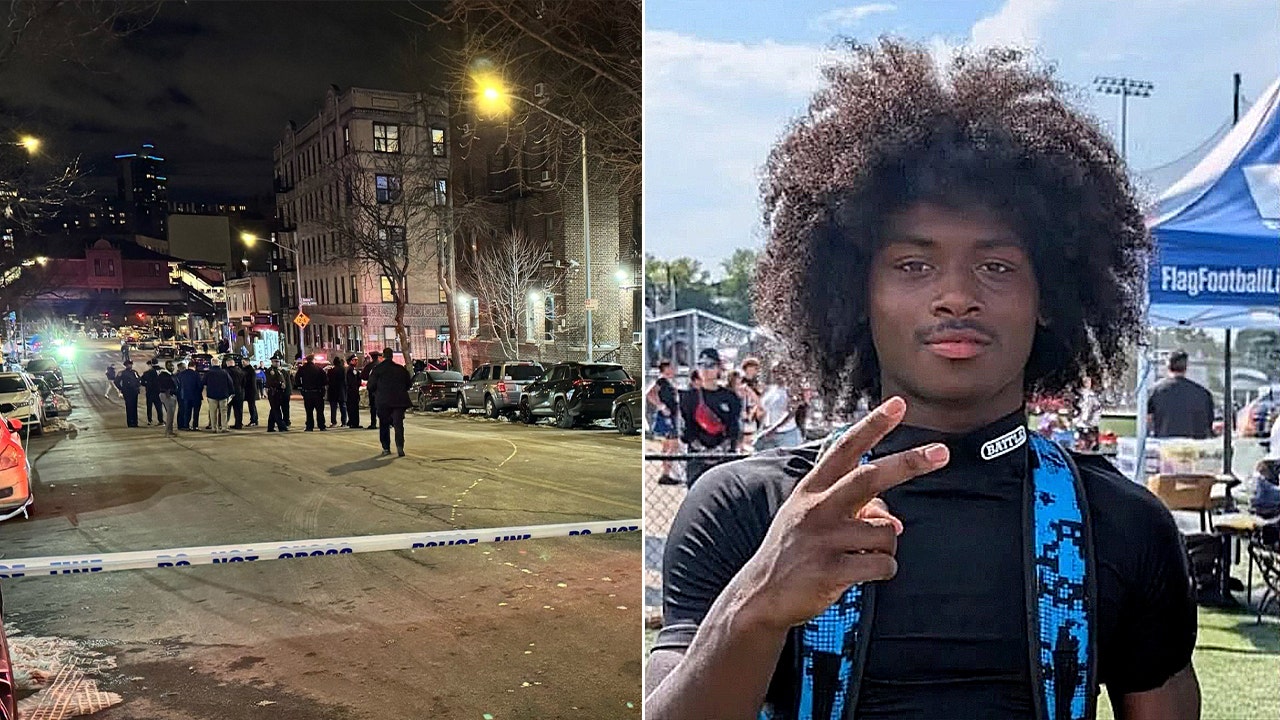
In the bustling streets of the Bronx’s Kingsbridge neighborhood, a seemingly ordinary Wednesday afternoon turned into heartbreak for countless families. As school buses unloaded waves of children eager to head home, a senseless burst of gunfire erupted at a busy bus stop, shattering the innocence of youth and dreams alike. Eyewitnesses described the chaos as it unfolded: a street dispute among groups of teenagers, a common occurrence in areas plagued by rising unrest, spiraled out of control with deadly consequences. Police reports paint a grim picture—a group of four individuals, three boys and one girl, instigated the violence, leading to a hail of bullets that claimed the life of 16-year-old Christopher Redding. For residents like Regional Hall, who watched from her first-floor window, the scene was unimaginable. She recounted hearing five sharp gunshots crack through the air, followed by panicked screams as hundreds of kids scattered like frightened animals, darting for cover. “It was terrifying,” she said softly, her voice trembling at the memory. “I feared a stray bullet might shatter my own window and end up in my living room.” This wasn’t just an isolated incident; it echoed the growing wave of violence sweeping through the borough, where everyday activities like walking to the store had become fraught with danger. Hall recalled a friend who once had to sprint across the street to escape unseen threats, underscoring how fear had seeped into the community’s fabric. The gunfire erupted from what began as a heated argument on the pavement, a stark reminder of how quickly quarrels among peers could escalate when weapons entered the mix. Officials, including Bronx Borough President Vanessa Gibson, lamented that such tragedies were becoming all too frequent, with guns turning simple fights into lethal standoffs. “Someone had a gun—that’s usually the issue,” Gibson said, her words heavy with frustration and sorrow. For the kids gathered there, many just trying to catch their ride home after a long day of classes and dreams, this was supposed to be a mundane moment. Instead, it became a nightmare, forcing us to confront the fragility of young lives and the urgent need for safer streets. The incident serves as a brutal wake-up call, highlighting how a child’s world can be ripped apart in an instant, leaving scars on an entire neighborhood. As news spread, empathize with the shock rippling through families—parents clutching their own kids tighter, wondering if this could have happened to them. This tragedy humanizes the statistics of urban violence, turning a headline into a story of real people, real fear, and real loss.
A Young Hero’s Last Stand
Christopher Redding wasn’t just a victim; he was a beacon of bravery in a dark moment. At 16 years old, this aspiring football player from John F. Kennedy High School had his whole life ahead of him—dreams of gridiron glory and unbreakable friendships. According to a heartfelt GoFundMe page set up by his coach, Christopher stepped into the fray to protect his friends when they were targeted by a menacing group. “His last act on earth was one of courage and selflessness,” the page poignantly reads, painting a picture of a boy who chose to stand tall despite the risks. Imagine the scene: amid the shouting and shoving at the bus stop, Christopher positioned himself as a human shield, his teenage heart pounding with both fear and resolve, willing to absorb danger to shield those he loved. This selfless intervention came seconds before the bullets flew, striking him fatally in the back—a wound that extinguished a promising light. Beyond his athletic talents, where he excelled as a lineman on the tackle team and played flag football for Fastbreak, Christopher was deeply invested in his community sports league, wearing the jerseys of the Bronx Colts and LBX squads with pride. His path wasn’t easy; growing up in a borough bruised by violence, he channeled energy into sports, finding purpose and camaraderie on the field. Friendships forged there became lifelines, and in defending them, he embodied the heroism we all wish to see in our youth. Yet, this act of valor also underscores the tragedy: a boy in the prime of life, with potential radiating like a star, cut down too soon. His story tugs at our hearts, reminding us of the countless teens navigating tough neighborhoods, making tough choices every day. His father, Bryan Corley, mourned not just a son but a guardian spirit, a kid who embodied loyalty and guts. For the families left behind, Christopher’s legacy is bittersweet—a reminder of love’s power, but also the gut-wrenching pain of sudden absence. Police and officials agree his intervention likely provoked the shooters, turning a scuffle into horror. In humanizing this loss, we see a boy who dreamed big and acted boldly, a tribute to the unseen heroes among us. His death urges us to cherish moments with our loved ones, to fight for environments where kids can protect each other without fearing for their lives.
The Suspects and the Arrests
As investigators pieced together the puzzle of that fateful incident, details emerged about the perpetrators—a group of four teenagers whose impulsive actions unleashed irreversible chaos. Authorities released surveillance footage capturing the suspects, a trio of boys and one girl, their faces reflecting the recklessness of youth entangled in violence. One 17-year-old boy was swiftly apprehended on Saturday, facing a litany of charges: murder for Christopher’s death, attempted murder and assault for the innocent bystanders caught in the crossfire, and criminal possession of a loaded firearm for wielding the weapon that escalated everything. For this young man, life as he knew it crumbled; what began as a street altercation morphed into a nightmare of legal battles and potential incarceration. The other three remained at large, their identities shrouded in mystery, as police urged the community to come forward with tips. Eyewitness accounts describe how the dispute started innocently enough—a clash of words among groups of teens—but devolved when guns appeared, a chilling testament to how accessible firearms had become in everyday skirmishes. Imagine the mindset of these teenagers: fueled by bravado, peer pressure, and perhaps unresolved frustrations from their own lives, they resorted to violence instead of talking it out. The arrest of the 17-year-old offered a glimpse of accountability, yet it raised questions about the three others still on the loose, heightening community anxieties. “They’re still out there,” Christopher’s father lamented, his voice laced with anger and despair, fearing further harm could loom. This humanizes the perpetrators too—not as monsters, but as troubled kids whose choices led to devastation. Experts note how such incidents often stem from a cycle of exposure to violence, where teenagers emulate what they’ve seen in streets or media, blurring lines between play and peril. For families of the suspects, this must be a time of reckoning too, grappling with guilt, shame, and the hope for rehabilitation. The footage prompts reflection: are we doing enough to intercept these paths before they turn deadly? The arrest signifies a step toward justice, but underscores the broader need for early intervention, counseling, and community programs to break the chain of violence.
Community Voices Echoing Fear and Frustration
The echoes of gunfire in Kingsbridge reverberated far beyond the immediate scene, stirring a collective sense of vulnerability among residents who once felt secure in their neighborhoods. Witnesses like Regional Hall, peering from her window as children fled in terror, shared stories of entrenched unease, where simple errands to the local drugstore became adrenaline-fueled dashes. “People are scared to even go out,” she expressed, her words resonating with an undercurrent of daily dread that has gripped the borough. This incident wasn’t an anomaly; locals spoke of a troubling pattern where teenagers congregating at bus stops often devolved into shouting matches and scuffles, a harbinger of worse to come. Hall recalled better days with more police presence, lamenting, “I used to see a lot of policemen around here, but not anymore.” Such sentiments highlight a community’s cry for reassurance, as parents agonize over letting their kids walk the same streets scarred by violence. Bronx Borough President Vanessa Gibson amplified these concerns, describing the shooting as part of an alarming uptick in gun-related tragedies, where families no longer feel safe in their own backyards. Her plea for change—that frustrated disputes mustn’t morph into bloodshed—stirs empathy for officials like Gibson, who tirelessly advocate amid overwhelming challenges. District Council Member Eric Dinowitz echoed this on social media, decrying the absurdity of high school students armed, and calling for an end to such “senseless violence.” These voices humanize the broader impact: not just one death, but entire households burdened with grief and anxiety. For instance, two other youths—a 15-year-old boy and a 13-year-old girl—sustained leg wounds, their recoveries necessitating hospital stays that disrupted schooling and playtime. Imagine the pain for parents enduring sleepless nights, mapping out safer routes or home schooling to shield against lurking dangers. This tragedy forces us to walk in their shoes, feeling the weight of a community’s unseen trauma. It’s a poignant reminder that behind every statistic lies human stories—residents yearning for peace, children deprived of carefree days, and a borough pleading for a return to stability.
Families’ Outcry Against Leadership
Amid the sorrow, Christopher Redding’s family channeled their grief into pointed criticism, directing ire at Mayor Zohran Mamdani and law enforcement for what they perceive as inadequate protection of New Yorkers. His father, Bryan Corley, spoke passionately and painfully to reporters, expressing profound disappointment not just in the loss of his son, but in the system’s failures. “They’re still out there, and nothing is really being done,” he declared with raw emotion, his voice breaking as he addressed the unchecked suspects roaming free. Corley’s frustration peaked when he dissected Mamdani’s recent remarks, where the mayor thanked the NYPD for crime handling efforts. “Mayor Mamdani saying the police is doing a good job? They’re not. It’s disgusting,” he retorted, shaking his head in disbelief. He revealed that Mamdani’s office hadn’t even reached out, amplifying the family’s sense of abandonment. This humanizes the political discourse, transforming it from abstract debates into the visceral pain of a grieving parent who feels his son’s death was preventable. Corley’s words aren’t just accusations; they’re a father’s plea for accountability, reflecting how communities demand leaders who listen and act on the ground. Such grievances align with broader discontent, where residents like Hall question the erosion of police presence, deciding not to publicize it further for fear. Gibson’s acknowledgment of rising violence and Dinowitz’s calls for anti-gun agendas reveal a leadership grappling with a crisis, yet Corley’s dismissal underscores perceived complacency. Imagine the heartache for Corley: planning a funeral while fielding calls, his dreams of watching Christopher play football forever dashed. His outcry resonates universally, tapping into parental fears of safety lapses under any administration. It challenges us to empathize with both sides—officials striving amid resource constraints and families bereft, urging systemic reforms. This incident, through Corley’s lens, spotlights the human cost of governance, pushing for leaders who honor lives lost through genuine action.
A Call for Hope and Systemic Change
As ripples from the Kingsbridge shooting spread, there’s a glimmer of hope in the collective resolve to address root causes and prevent future tragedies. Mayor Mamdani, in his statements on the Bronx incidents, acknowledged the “heartbreaking” nature of such events and expressed gratitude for NYPD’s responsive work, while signaling a commitment to proactive prevention. Council Member Dinowitz emphasized that a fresh mayoral term presents a “once-in-a-lifetime opportunity” to tackle the gun violence epidemic head-on, pledging Council support for agendas targeting underlying issues like inequality, mental health, and access to firearms. This humanizes the path forward, envisioning a city where communities rebuild trust and teens like Christopher channel energy positively. For residents, this means amplifying voices for more policing, community outreach, and youth programs to divert potential paths to violence. The GoFundMe for Christopher, celebrating his heroism, symbolizes grassroots fundraising to honor victims and support survivors. His story inspires reflection: in defending friends, he mirrored the protectiveness we all feel for loved ones. By humanizing this call to action, we see how one boy’s legacy could catalyze change—encouraging dialogues on gun control, mental health resources, and economic supports to uplift vulnerable neighborhoods. Families like Corley’s stand as living examples, urging elected officials to prioritize safety. Hope emerges in Gibson’s advocacy for curbing street disputes, Hall’s calls for renewed vigilance, and the community’s resilience. Ultimately, this tragedy beckons us to foster environments where children thrive without fear, turning sorrow into solidarity. Through empathy and action, New York can heal, ensuring no more teens fall to senseless violence. Christopher’s memory endures as a catalyst for compassion, reminding us that every life matters, and collective effort can forge safer horizons. As we listen to these stories—now available via Fox News audio—we’re invited to engage deeply, humanizing news into narratives that drive meaningful progress. Behind headlines lie real hearts aching for justice, peace, and promise.