





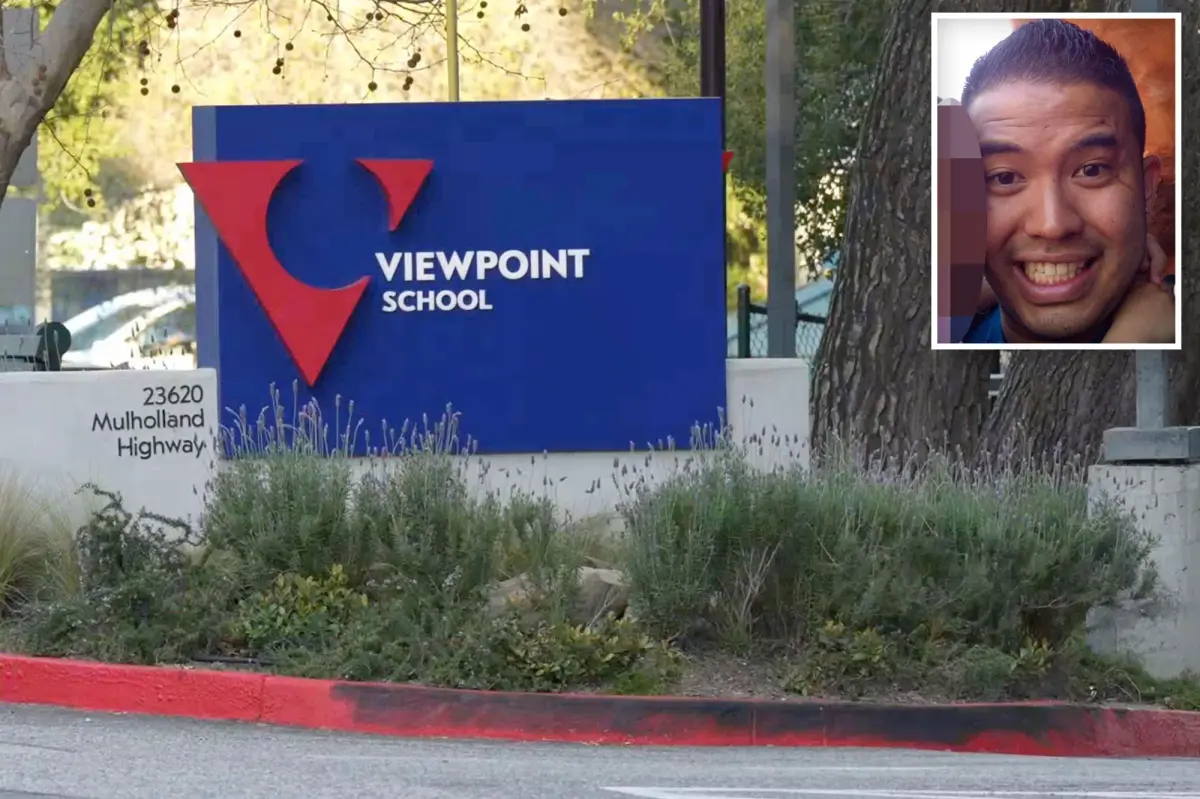
In the upscale community of Calabasas, where palm-lined streets meet Hollywood glamour, a disturbing scandal has shattered the serene facade of one of Southern California’s most elite private academies. The Viewpoint School, a bastion of privilege known for nurturing young minds in an idyllic setting, became the unlikely backdrop for a heartbreaking case of alleged child abuse. Prosecutors have accused Travis Shojinaga, a 39-year-old teacher with over a decade of service at the school, of taking inappropriate photos of students, leading to severe charges that have left parents, alumni, and the local community reeling. This isn’t just a news item; it’s a painful reminder of the vulnerability of our children, even in the safest-seeming environments, and how one person’s actions can erode the trust that binds a community. As details emerge, we see not just the cold facts of arrests and charges, but the human toll on innocent lives—students who looked up to Shojinaga as a mentor, now grappling with confusion and fear. The story unfolds amid whispers in playgrounds and parent-teacher meetings gone wrong, highlighting the urgent need for vigilance in protecting the most defenseless among us.
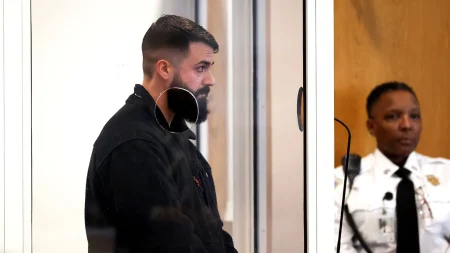
Digging deeper into the charges, authorities painted a grim picture when they accused Shojinaga of four counts of misdemeanor child molestation and one felony count of possessing child pornography. Court documents reveal that the alleged offenses involved intimate, unauthorized photographs taken of students—images that no child should ever have to endure, let alone in a place meant for learning and growth. Shojinaga’s arrest on a Wednesday morning must have been swift and jarring, as deputies from the Malibu/Lost Hills station took him into custody, stripping away the normalcy of his day. Imagine the shock if you were a parent dropping off your kid, only to learn later that the person they saw daily had crossed an unforgivable line. Now, he’s facing arraignment, potentially staring down over three years behind bars if convicted—a stark consequence that underscores the seriousness with which society views the protection of minors. But beyond the legal jargon and procedural timelines, this case exposes the raw emotional wreckage: violated privacy, shattered innocence, and the lifelong shadows that such betrayals cast on young hearts. It’s a moment that forces us to confront uncomfortable truths about who we entrust with our kids’ futures.
In response to the allegations, the Viewpoint School wasted no time in addressing the crisis, releasing a statement that prioritized transparency and care. Mark McKee, the school’s head, announced the immediate termination of the accused faculty member for “inappropriate behavior that occurred on campus” but emphasized it did not involve physical contact—a small distinction in a sea of horror, yet one that the administration clung to, perhaps hoping to mitigate panic. Administrators had alerted police the instant they were aware, ensuring no cover-up, and they pledged a collaborative investigation alongside law enforcement. Reading between the lines, you can sense the institution’s desperation to safeguard its reputation while rallying around the affected students and staff. McKee’s words echoed a commitment to truth, but for the families involved, it must feel like cold comfort—the school they chose for its prestige now tainted by this scandal. It’s a painful paradox of private education: the dream of a better future compromised by human failings, leaving everyone questioning the security of the bubble they once inhabited.
Adding layers to this tragic narrative is Shojinaga’s backstory, as revealed through his Facebook profile—a man who had invested over a decade in shaping young lives at Viewpoint. For those years, he was likely seen as a dedicated educator, perhaps organizing field trips or grading endless essays, embodying the mentor role that so many cherish. But now, that facade crumbles under the weight of these charges, raising haunting questions about what signs might have been missed. The school itself, with its $55,000 annual tuition, caters to families seeking excellence for their children, fostering academic rigor and personal development in a sprawling campus that feels worlds away from Calabasas’s bustling streets. Graduates have gone on to illustrious paths, including Tiffany Trump, daughter of the former president, and NBA star Miye Oni—success stories born from this very environment. Yet, beneath the sheen of achievement lies a sobering reality: institutions like this are only as strong as their people, and when one falters, it destabilizes the entire foundation. It’s a human story of potential squandered and communities shaken, reminding us that even in places of opulence, the need for accountability is paramount.
The ripples of this incident extend far beyond the school gates, touching the lives of prominent figures tied to Viewpoint’s legacy. Tiffany Trump, as one of its alumni, must grapple with the dissonance of a school tied to her formative years now marred by such darkness—perhaps reflecting on her own experiences there, and the importance of creating safe spaces for others. Similarly, Miye Oni’s journey from the academy to professional sports glory is juxtaposed against this scandal, a stark contrast that underscores how legacies can be both celebrated and irrevocably damaged. Parents in Calabasas, many of whom are in the entertainment industry or elite professions, are now hyper-vigilant, scrutinizing every adult who interacts with their kids. Social media buzzes with updates from outlets like the California Post, amplifying the story across platforms, while newsletters and apps keep communities informed. But at its core, this isn’t about fame or headlines—it’s about the emotional scarring for students who may carry this trauma into adulthood. The human cost manifests in sleepless nights, strained family dinners, and a collective loss of innocence that no amount of prestige can restore.
In a gesture of compassion amid the turmoil, McKee’s statement extended an olive branch to the entire community, offering counseling and encouragement for anyone feeling the impact. Recognizing the “deeply upsetting” nature of the situation, the school promised to make resources available—therapists, support groups, an open-door policy for those struggling. It’s a humane response, prioritizing mental health in the aftermath of betrayal, and urging students and parents alike to voice their concerns freely. Think of the relief for a child who might have felt something was off but hesitated to speak; now, pathways exist for healing. For families, this promise of support becomes a beacon in a storm, turning a crisis into an opportunity for rebuilding trust. Yet, it also evokes a lingering sadness—the knowledge that while counseling can mend wounds, it can’t erase the scars of abuse. As the legal process unfolds and investigations proceed, the Viewpoint School’s commitment to its people offers a glimmer of hope, illustrating how communities can emerge stronger from adversity by embracing empathy and resilience. In Calabasas and beyond, this story serves as a poignant call to action: to protect our children fiercely and to foster environments where safety isn’t just expected—it’s guaranteed. Ultimately, it’s a reminder of our shared humanity, where even the most privileged places aren’t immune to heartache, but where collective care can pave the way for recovery and redemption. By addressing this with sensitivity and swift justice, we honor the victims’ dignity and work toward a future where such betrayals are unimaginable.