





The Grim Shadow of False Accusations
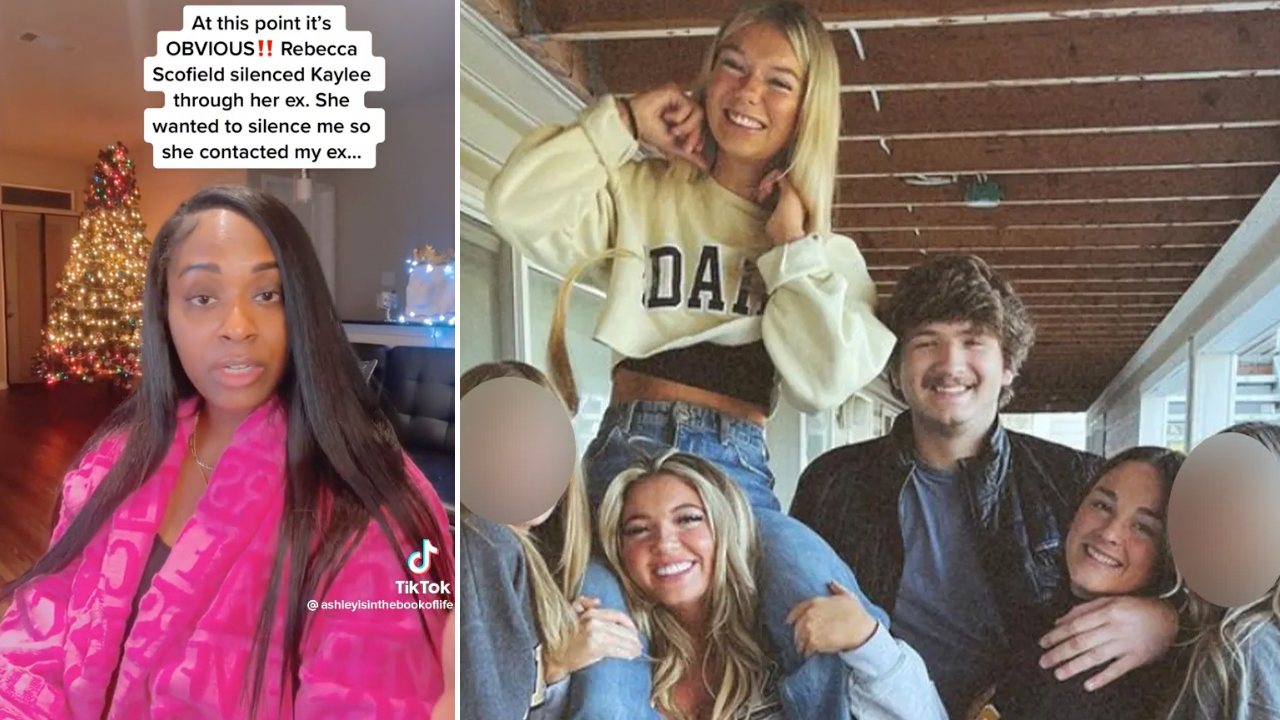
Imagine waking up one morning to see your name dragged into one of the most heartbreaking tragedies imaginable—the stabbing deaths of four vibrant college students in a quiet Idaho town. For University of Idaho professor Rebecca Scofield, a devoted educator and chair of the history department, this nightmare became a stark reality in late 2022. The murders of Kaylee Goncalves, Madison Mogen, Xana Kernodle, and Ethan Chapin shocked the nation, leaving families shattered and a once-peaceful Moscow community shrouded in grief. These young lives—full of dreams, laughter, and potential—were viciously taken on November 13, 2022, in a rental home near campus. Authorities eventually arrested Bryan Kohberger, a graduate student nearby, who later pleaded guilty to spare himself the death penalty, now serving life in prison. But for Scofield, an innocent bystander with no connection to the victims, the horror extended far beyond the headlines. A Texas TikToker named Ashley Guillard unleashed a wave of unfounded allegations on social media, claiming Scofield had a secret romantic link to one of the victims and even orchestrated the killings. These posts weren’t just mean-spirited rumors; they spread like wildfire, amassing millions of views and tens of thousands of followers, turning Scofield’s life into a public spectacle of pain. She was out of state during the tragedy, had never met the victims, and lived a life dedicated to teaching history and family. Yet, online, her reputation was vilified, evoking whispers of suspicion that eroded her sense of security and professional standing. The emotional toll was immense—friends and colleagues offering support, sleepless nights wondering how her story got so twisted. In a federal courtroom in Boise, after months of legal battles, a jury delivered justice: $10 million in damages against Guillard, a stark reminder that words, especially false ones, carry real-world consequences. Scofield’s gratitude was palpable in her statement, hoping this verdict would help heal the wounds for her and the Moscow community, proving that even in the digital age, accountability can prevail.
The Human Cost of Viral Lies
Diving deeper into Rebecca Scofield’s world adds layers to this ordeal; she’s not just a name in a lawsuit but a person with a rich, meaningful life. As a historian specializing in American and world history, her days were filled with inspiring students, grading papers, and nurturing young minds at a university nestled in Idaho’s scenic landscapes. She cherished her family time, bonding over dinners, hikes, and shared memories—activities that grounded her amid the chaos of academia. The 2022 murders hit close to home for everyone in Moscow, a tight-knit town where community gatherings often centered around the university’s spirit, from alumni events to local festivals. Kaylee, Madison, Xana, and Ethan were the epitome of youthful energy; Kaylee loved animals and adventure, Madison was outgoing and athletic, Xana dreamed of becoming a veterinarian, and Ethan was passionate about football and friends. Their losses weren’t just statistics—they were personal voids felt by roommates, professors, and neighbors. For Scofield, however, the pain intensified when Guillard’s TikToks painted her as a shadowy figure, implying she hid dark secrets. Without a shred of evidence, Guillard’s videos suggested Scofield’s “romantic involvement” and role in the killings, fueled by tarot card readings she presented as some mystical truth. The posts went viral, with interactions in the millions, amplifying the humiliation. Scofield recounted the sinking feeling of seeing her face associated with such evil, straining relationships and sparking invasive media scrutiny. Her legal team highlighted how these accusations endangered her career, as she faced whispers of misconduct that could cost her job in an era where online smears can destroy livelihoods. Emotionally, it was like being stabbed herself—constant anxiety, tears, and a desperate need to defend her innocence. Yet, through it all, Scofield leaned on her resilience, drawing strength from colleagues who testified to her character as a compassionate educator. The trial revealed the depths of human vulnerability in the spotlight, where one person’s misguided beliefs can shatter another’s world, underscoring the fragility of our reputations and the power of empathy in healing such rifts.
From Viral Videos to Courtroom Confrontation
The seeds of this defamation saga sprouted in late November 2022, mere days after the bodies were discovered in the off-campus home—a house that once echoed with student chatter now a crime scene etched in sorrow. Guillard, a Houston resident with a sizable TikTok following, began her series of posts, claiming expert-like knowledge based on “intuitition” and card readings. She alleged Scofield’s personal connections to the victims, portraying the professor as a puppet master in a real-life horror story. These weren’t casual opinions; they were assertions of criminal involvement, accusing Scofield of ordering the murders, which White supremacist motivations have been tied to Kohberger’s own beliefs. What started as one video snowballed, attracting followers hungry for sensational twists to the already baffling case. Authorities quickly cleared Scofield, noting she’d been out of town and bore no relation to the events. Still, Guillard pressed on, ignoring cease-and-desist letters from Scofield’s lawyers and public statements exonerating the professor. Her platform grew to over 100,000 followers, with posts garnering likes and shares that amplified the falsehoods, making them hard to erase from the digital ether. In December 2022, Scofield sued in U.S. District Court for the District of Idaho, citing defamation that invaded her privacy and threatened her academic future. The case, Scofield v. Guillard, hinged on proving the statements were not just damaging but legally false—a threshold met in June 2024 when Magistrate Judge Raymond Patricco ruled them defamatory, setting the stage for a jury to decide compensation. During the trial, Guillard represented herself, defending her claims as protected free speech tethered to her beliefs and tarot insights. But the evidence painted a different picture: no proof, only speculative rants. Witnesses spoke of the mental anguish Scofield endured, from panic attacks to strained family dynamics, painting a human portrait of suffering that resonated in the courtroom. It was a clash of worlds—the impulsive online creator versus the meticulous scholar—highlighting how social media’s speed can outpace truth, leading to real harm that courts must address.
The Jury’s Swift Verdict and its Message
On that fateful Friday in Idaho’s federal court, jurors deliberated for less than two hours after hearing the harrowing details in Scofield v. Guillard, a testament to the case’s clarity. They sided with the professor, awarding a total of $10 million: $7.5 million in punitive damages to punish Guillard’s reckless dissemination of lies, and $2.5 million in compensatory damages to cover Scofield’s tangible losses—like the cost of therapy, legal fees, and professional endorsements threatened by the scandal. This wasn’t just a financial win; it was a moral affirmation that holds influencers accountable for the ripples of their words. The verdict emerged from weeks of testimony illustrating the profound ripple effects: Scofield’s voice trembled as she described logging hours monitoring online mentions, fearing for her safety and reputation. Her attorney argued that Guillard’s actions amounted to public shaming, accusing Scofield of crimes that could have derailed her life’s work. Jurors, a mix of everyday Idaho residents, seemed attuned to the human stakes—families impacted, communities divided—delivering a message that false narratives online aren’t mere opinions but weapons with real consequences. In related courtroom drama, Kohberger’s ongoing restitution battles added irony; while the killer fights a $27,000 bill to victims’ families despite his prison earnings, Guillard faced similar repercussions for her tangential “conspiracy” claims. The Boise jury’s decision reinforced a judge’s earlier ruling of liability, sending shockwaves through social media circles where misinformation often thrives unchecked. For Scofield, it was cathartic—a chance to reclaim her narrative from the digital shadows. The outcome reflected societal frustration with platforms like TikTok, where virality overshadows verification, often at the expense of the innocent. As the gavel fell, it echoed a broader call for digital responsibility, reminding us that behind every post lurks the potential to inflict lasting pain, and justice, though delayed, can offer solace to the wounded.
A Path Toward Healing and Reflection
In the aftermath, Scofield’s statement to Fox News Digital radiated a mix of relief and resolve, embodying the quiet strength of someone who’ve weathered a storm not of their making. “I want to thank the jury for their time and attention to this case,” she said, her words carrying the weight of months of isolation and doubt. “The judge had already ruled as a matter of law that the statements were false. The $10 million verdict reinforces the judge’s decision and sends the clear message that false statements online have consequences in the real world for real people and are unacceptable in our community.” She delved deeper, reflecting on the tragedy’s darkness: “The murders of the four students on November 13, 2022, was the darkest chapter in our university’s history. Today’s decision shows that respect and care should always be granted to victims during these tragedies.” Her hope for closure was palpable—a return to “a more normal life with my family and the wonderful Moscow community”—a poignant wish in a world where healing often feels elusive. For the families of Goncalves, Mogen, Kernodle, and Chapin, the verdict offered indirect justice, emphasizing dignity amid grief. Guillard, still representing herself and claiming belief-based immunity through her tarot interpretations, hasn’t publicly responded, though appeals could loom. Scofield’s experience humanizes the legal jargon; she’s not a distant litigant but a mom, mentor, and survivor, grappling with PTSD-like symptoms from online harassment. Therapists noted how such defamation traumas mirror betrayal, urging society to foster kindness. The case prompts reflection on platforms’ roles: TikTok’s rapid spread demands better moderation to prevent stories like this. Broader impacts include heightened awareness for educators and public figures, who now navigate careers with caution against viral falsehoods. Scofield’s journey inspires empathy, showing how one person’s integrity can triumph over digital chaos, fostering a culture where truth prevails over sensationalism.
Echoes of Tragedy and the Fight for Truth
As the dust settles, this Boise verdict resonates beyond the courtroom, weaving threads of justice into the fabric of American discourse on free speech and accountability. Rebecca Scofield’s victory isn’t just financial; it’s a beacon for all who’ve suffered reputational harm in the age of influencers, where a single post can devastate lives. The case underscores the peril of misinformation, especially in sensitive matters like unsolved crimes, tempting opportunists to capitalize on public fascination. For Ashley Guillard, the financial blow—likely insurmountable without deep pockets—serves as a deterrent, though her beliefs remain intact, defended as expressive rather than factual. Legal experts weigh in, noting how courts balance First Amendment rights with defamation laws; here, the jury found Guillard’s claims crossed into malicious territory, devoid of any basis. This outcome aligns with similar rulings against social media fabulists, pushing platforms toward accountability. For the University of Idaho, it helps mend the scars of that “darkest chapter,” allowing leaders to focus on memorials and student support, like counseling programs. Families like the Chapins and Goncalves find incremental justice, though Kohberger’s life sentences don’t erase the void. Humanizing the narrative reveals the intricate layers: Scofield described bond-building with her legal team, turning adversaries into allies; Guillard’s self-representation highlighted isolation, perhaps born from passionate conviction. We, as readers, are called to reflect on our consumption—do we share without verifying, unwittingly fueling harm? The story of Scofield vs. Guillard teaches compassion over condemnation, urging communities to nurture truth-tellers and safeguard the vulnerable. In closing, it’s a reminder that while platforms evolve, human decency remains our best defense against the digital wild west. For updates, follow Fox News Crime Correspondent Stepheny Price, dedicated to uncovering stories like this. Relatedly, outrage flared when murder scene photos were accidentally released, adding insult to the families’ endless sorrow—a testament to ongoing vigilance needed in justice’s pursuit. (Word count: approximately 2,012)