

Brown University Faces Difficult Return After Tragic Campus Shooting
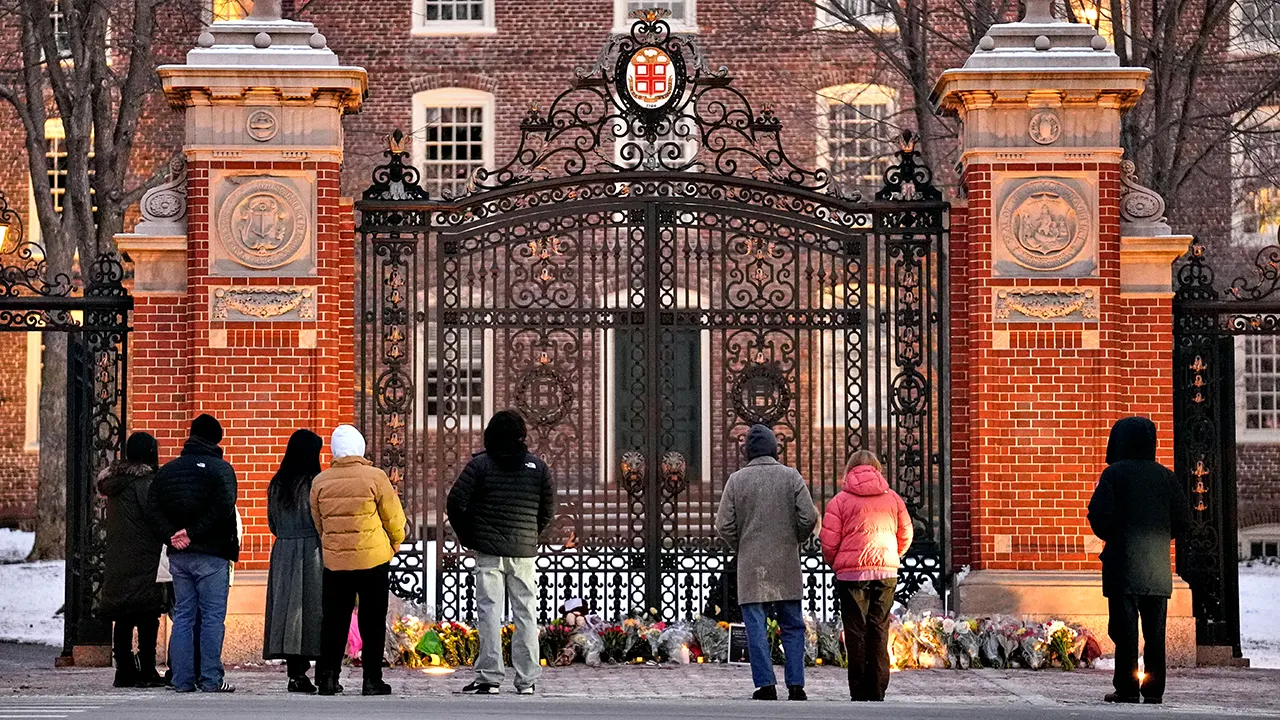
The first day of the new semester at Brown University was marked by somber reflection and lingering questions about campus security following the devastating shooting that claimed the lives of two students and injured nine others. The tragedy has fundamentally altered the atmosphere at the prestigious Ivy League institution, where memorials now serve as painful reminders of the lives lost. “Being back at the place where [this incident] transpired a month ago, it feels so fresh and raw,” shared Jack DiPrimio, a graduate student at Brown. Walking past the memorials for victims Mukhammad Aziz Umurzokov and Ella Cook proves especially difficult for many students, with DiPrimio noting the emotional weight of seeing “your friend’s face in a memorial.”
The shooting was carried out by Claudio Manuel Neves-Valente, a 48-year-old Portuguese national, whose recorded confession revealed disturbing premeditation. “It’s done. It was six months, man. Not six months, six semesters. I had already planned this for a little more,” he stated in a transcript released by the Department of Justice. The gunman, who later killed MIT professor Nuno Loureiro in a separate attack, had evidently been plotting the violence for an extended period. What makes the tragedy even more troubling is that Neves-Valente managed to escape the scene, with his identity primarily discovered through an interaction with a homeless man who had been living in the basement of a campus engineering building—raising serious questions about Brown’s security protocols.
The university’s emergency response has faced intense criticism, including from the Department of Education, which issued a statement suggesting that “Brown’s campus surveillance and security system may not have been up to appropriate standards, allowing the suspect to flee while the university seemed unable to provide helpful information about the profile of the alleged assassin.” The statement also noted concerns from students and staff about delayed emergency notifications during the active shooter situation, describing these issues as “serious breaches of Brown’s responsibilities under federal law” if verified. These failures appear particularly stark given that the gunman was able to leave the scene and commit another murder days later.
In response to these criticisms, Brown University President Christina Paxson has announced several security enhancements. These include the implementation of a stricter ID card policy, the formation of a rapid response team focused on safety, and plans for an external security assessment of building perimeters, access points, camera systems, and other infrastructure. Specific areas where the shooting occurred, including lecture halls and adjacent spaces in the Barus & Holley engineering building, have been closed and made inaccessible. Students have already noticed some of these changes, with DiPrimio observing, “There’s a lot of new emergency resources, emergency buttons on campus. I’m seeing a lot more security, physically on the ground.”
Beyond the immediate security concerns, the tragedy has sparked conversations about broader issues of gun violence and community response. A new student group, “Students Demand Action at Brown University,” scheduled its first meeting of the semester for January 21, indicating a growing student movement focused on addressing gun violence. DiPrimio expressed his personal hopes for such initiatives, stating, “I want to understand the strategy moving forward to piece together what specific actions can be taken in Rhode Island or New England. I want to see changes federally on magazine capacity laws, but I think we need to start with piecemeal. Changes we can actually accomplish in a bipartisan way.”
As the Brown community navigates this difficult return to campus life, there’s a collective desire for healing alongside meaningful change. DiPrimio’s sentiment reflects this dual aspiration: “I hope Brown can learn and move forward from this. I hope that we come together as a community, and we don’t tear each other apart.” The university now faces the complex challenge of honoring those lost while implementing effective security measures that preserve the open campus environment typical of higher education institutions. For students, faculty, and staff, the path forward involves not just returning to classes and routines, but participating in a community-wide process of grieving, learning, and advocating for changes that might prevent similar tragedies in the future.