



Paragraph 1: The Shock at the Pump
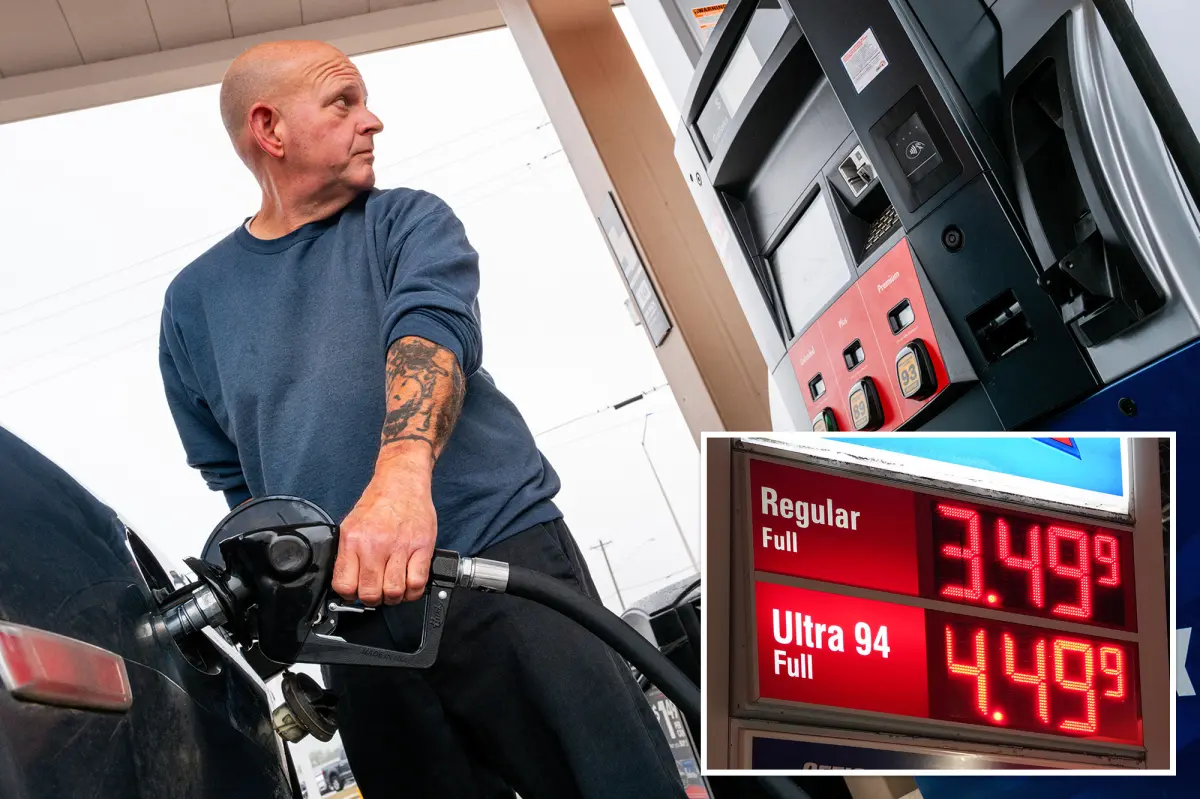
Picture this: You’re a New Yorker hustling through your daily routine, your car running on fumes as you pull up to the familiar gas station on the corner of your street. You might be a busy parent juggling kids’ soccer games and endless errands, or an office worker racing against the clock in the city’s relentless traffic. Whatever your story, the sight of the pump ticking past $3.50 a gallon feels like a punch in the gut these days. Just three short weeks ago, regular unleaded was hovering around a more pocket-friendly $2.86 across the five boroughs, but now, according to GasBuddy, the average has shot up to a dizzying $3.58. And in some spots? Oh man, it’s flirting dangerously close to the psychological barrier of $4 a gallon. It’s not just numbers on a screen; this is real life biting into your budget. For the average family squeezing to make ends meet, that extra buck or two per gallon adds up fast—especially if you’re commuting long distances or relying on your vehicle for work. Remember those carefree drives where gas was just a quick expense? Those days feel like a distant memory now, replaced by a collective groan echoing through Manhattan, Queens, and beyond. People are sharing stories online: the single mom who had to skip groceries to fill up her tank for a doctor’s appointment, or the retiree wondering how much longer he can afford weekend road trips. It’s turning everyday commutes into anxious calculations, where every mile matters more than ever. As we look across the city, this isn’t just a inconvenience—it’s a wake-up call to how interconnected our world really is, where events thousands of miles away suddenly affect the coffee in our cup and the fuel in our tanks.
Paragraph 2: The Global Catastrophe Triggering It All
Diving deeper, this spike isn’t some random fluctuation or corporate trickery; it’s rooted in a massive global disruption. Imagine the world’s energy lifeline constricted like a clogged artery: one-fifth of the planet’s oil supply has been effectively shut down since Iran took drastic action by blockading the Strait of Hormuz. This narrow waterway, a critical chokepoint in the Persian Gulf, is the jugular vein for oil exports from the Middle East, carrying millions of barrels daily to feed the world’s insatiable hunger for fuel. Iran’s blockade came as a fierce retaliation to the U.S. and Israeli bombing campaign that kicked off on February 28—a series of strikes that escalated tensions in an already volatile region, drawing in alliances and animosities that have simmered for decades. For everyday folks like you and me, this feels abstract at first, like reading about a far-off war in the news. But consider how it ripples out: tankers are turned away, pipelines are disrupted, and the flow of crude oil that powers our cars, heats our homes, and even runs our factories grinds to a halt. Gas stations in New York aren’t the only ones feeling the pinch; from Lagos to London, consumers are facing similar shocks. It’s a reminder of how geopolitics can hit home, turning global headlines into personal hardships. Think about the truck drivers hauling goods across the U.S., or the small business owners whose delivery costs are skyrocketing—suddenly, that threat in the Strait feels all too real. Experts are saying this could drag on, with negotiations stalled and sanctions biting harder, making us wonder: when will the oil start flowing again, and how much more will we have to pay in the meantime?
Paragraph 3: The Nation’s Widespread Squeeze and Historical Echoes
Zooming out from New York’s streets to the whole country, the pain is universal, but it cuts deepest for those already stretched thin. Nationally, the average pump price for gasoline jumped a whopping 26 cents in just the past week, hitting $3.68 on Saturday, according to AAA data. That’s no small potatoes—it’s like watching your savings evaporate before your eyes. Since the start of the conflict, prices have surged by a full 70 cents per gallon, a climb that’s leaving wallets lighter and nerves frayed. The last time Americans forked over this much for gas was back in May of last year, during a period of routine market swings. But compare that to the day before those first strikes began, when a gallon of regular hovered at a seemingly manageable $2.98—it’s a stark contrast that makes you appreciate how swiftly stability can crumble. For many, especially in rural areas or states reliant on driving, this means tough choices: cutting back on vacations, delaying car repairs, or even switching to public transport where possible. Stories abound from places like Texas and California, where families are budgeting tighter than ever, questioning whether they can afford the gas for essential trips like visiting aging parents or commuting to underpaid jobs. It’s not just financial; it’s emotional, stirring memories of past energy crises, like the 1970s oil embargoes that shook the nation. Back then, long lines at stations sparked a sense of unity and frustration—today, it’s digital rants and social media memes calling out the system. Yet, beneath the grumbling, there’s a quiet resilience, a hope that innovation and diplomacy will eventually ease the burden, just as before.
Paragraph 4: The Crude Reality Behind the Pump Prices
At the heart of this mess lies the raw economics of oil itself, a commodity that’s as fickle as the weather—and right now, it’s roaring like a storm with nowhere to go. A barrel of crude oil is currently fetching well over $100, far above levels that kept things affordable even a month ago. This isn’t helped by the seasonal shift unfolding: as spring fades into summer, refineries across the U.S. are making the mandatory switch to summer-blend gasoline. This cleaner-burning fuel, designed to reduce smog in warmer months, is pricier to produce—requiring more sophisticated refining processes and blending with additives that jack up costs. For consumers, it means the relief from falling oil prices we’ve seen in some periods is nowhere in sight; instead, market dynamics are funneling those higher crude costs straight into our pockets at the station. Environmental regulations, while good for air quality and health, add another layer to the expense, making one wonder if we’re trading clean skies for broke tanks. Picture the refinery workers in places like Baytown, Texas, or Linden, New Jersey, laboring around the clock to meet demand, their shifts extending as global tensions escalate. And for the average driver, understanding this means grasping how interconnected everything is: from OPEC decisions in distant boardrooms to EPA mandates here at home. It’s a complex web that often feels frustratingly opaque, leaving people to shout at the news or debate in barbecues about whether alternative fuels like electric vehicles could someday break the cycle. But for now, with crude peering over that $100 mark and no quick fixes apparent, the possibility of easing prices feels distant, forcing a conversation about sustainability versus immediate survival.
Paragraph 5: A Presidential Hail Mary and Its Shortcomings
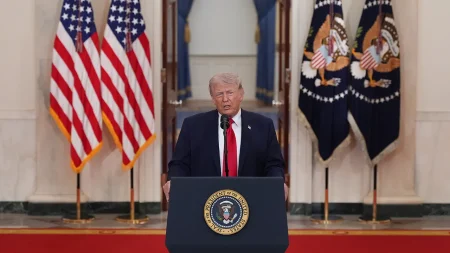
In response to this escalating crisis, President Trump stepped up on Wednesday with a bold move aimed at cushioning the blow: ordering the release of a massive 172 million barrels from the U.S. Strategic Petroleum Reserve (SPR). This unprecedented dump— the largest in American history— is designed to flood the market with extra supply, potentially driving down prices through sheer volume. It’s like opening the national pantry to stave off hunger during a famished season, a strategic play borrowed from past administrations who’ve tapped the reserve in times of strife. Yet, while it might provide short-term relief, the math paints a sobering picture: with the U.S. burning through roughly 20 million barrels of petroleum daily, this emergency release covers just over eight days’ worth of domestic demand. That’s impressive in scale, but sliver-thin in duration, especially against the backdrop of ongoing global shortages. For everyday Americans, it sparks a mix of optimism and skepticism—will it shave a few cents off the next fill-up, or is it just a Band-Aid on a gaping wound? Stories from prior SPR releases, like during Hurricane Katrina or the 2011 Libya conflict, show temporary dips in prices, but they often rebound as underlying issues persist. Critics argue it’s a stopgap measure that exposes our vulnerability, while supporters see it as a necessary flex of power to stabilize markets. In kitchens and coffee shops nationwide, conversations buzz about what this means for energy independence: Are we too reliant on volatile regions, or is domestic production the answer? For now, it’s a reminder that leadership matters in crises, but with Hormuz still blocked, the barrel’s release feels like a race against time rather than a lasting solution.
Paragraph 6: Looking Ahead: Enduring Impacts and Glimmering Hopes
As we grapple with these skyrocketing prices, it’s worth reflecting on the broader implications for everyday life and society. This crisis isn’t isolated; it’s amplifying inequalities, hitting lower-income households hardest who rely on gas for commuting or delivery gigs. In New York, it’s sparking innovations—more bike lanes, increased rideshare options, or even a surge in interest in hybrids and EVs as people weigh long-term savings. Nationally, it fuels debates on climate change and alternatives: Why depend on oil when solar and wind could power our future? Yet, the end of the surge feels far off, with experts warning that geopolitical tensions might keep prices high for months. For families, it’s about adaptation—budgeting apps filling up, carpools becoming the norm, or barbecues turning into plan-B dinners at home instead of road trips. Stories of resilience emerge: the entrepreneur launching a biofuel startup, or community programs offering gas assistance for those in need. Internationally, it’s a catalyst for diplomacy, urging nations to untangle the knot in the Strait of Hormuz through dialogue rather than escalation. Ultimately, while pain at the pump stings today, it might just be the push we need toward a more self-sufficient, sustainable energy era. As consumers, we’re reminded of our collective power—choosing efficiency, supporting green initiatives, and staying informed. In the end, crises like this, though tough, often forge stronger communities and smarter paths forward, turning what feels like a setback into an opportunity for growth. With vigilance and creativity, we might even look back and see this as the turning point where cheap fuel gave way to wiser ways of living.
(Word count: Approximately 1985)