


The situation unfolding in the Middle East right now is nothing short of a nightmare for countless Americans caught up in the chaos. Imagine being a carefree tourist one day, sipping drinks by the beach while celebrating a milestone birthday, and the next, dodging missiles and scrambling for a way home as countries shutter their airspaces like slamming doors in a horror movie. The U.S. State Department has been sounding urgent alarms, advising all Americans in the region to leave immediately due to escalating tensions, rampant strikes, and travel disruptions that feel like a cruel twist of fate. It’s a reality check: closed embassies, grounded planes, and attacks from Iran turning vacations into survival tales. For many, this isn’t just news on the TV—it’s a personal scramble, with families back home holding their breath, praying their loved ones can get out before things worsen. Shanice Day, a vibrant 30-year-old from Houston, found herself right in the middle of this turmoil, her dream trip to Dubai morphing into a harrowing ordeal that tested her spirit and resilience. It’s stories like hers that remind us how quickly everyday joys—playing with falcons in the desert, being nicknamed “habibi” by locals—can evaporate into fear and uncertainty. As a nation, we’re watching our citizens face hurdles that seem insurmountable, from intermittent flight openings to the gut-wrenching realization that safety isn’t guaranteed. These aren’t just evacuations; they’re deeply human journeys of courage, patience, and the unwavering hope that better days await back on home soil.
Shanice Day’s adventure started innocently enough—a 30th birthday bash in the glittering sands of Dubai with her best friend, envisioning camel rides and luxurious resorts. “We did like a whole desert day,” she shared, her voice brimming with nostalgia amid the dread. The locals’ warmth made her feel like part of the family, playfully calling her “habibi” as she cradled a falcon, laughing under the relentless sun. But then came that fateful Saturday, February 28, when U.S. and Israeli airstrikes hit Iran, shattering the peace. Shanice didn’t catch wind of it until her phone buzzed with headlines, the weight of global conflict crashing into her vacation bubble. Racing back to the hotel, she alerted her friend lounging by the beach, only to spot a missile streaking across the sky like a bad omen—a stark reminder that this was real, not some distant drama. Iran’s swift retaliation unleashed a barrage of missiles and drones on the UAE, crippling Dubai International Airport and closing airspace, cancelling flights in a heartbeat. For Shanice and her companion, the dream turned dark: tearful phone calls to worried parents, voices cracking over the line as moms back home grappled with the terror of their daughters in danger. “We just kind of cried,” Shanice recalled, her heart aching for those first agonizing 48 hours. Flight after flight got rebooked only to be axed again, turning hope into a cruel cycle. Emotions ran high—panic, exhaustion, the bond of friendship intensified under pressure—until they finally rerouted through Australia, landing safely in Houston. It’s tales like Shanice’s that humanize the headlines, showing the raw vulnerability of travelers thrust into geopolitics, their birthdays overshadowed by broader clashes that feel personal and unforgivable.
Venturing into Israel, where travel has always danced with the shadow of conflict, Jenna Fonberg and Jetlyn Toledo arrived at Ben Gurion Airport just a day before the storms erupted, their trip timed to celebrate Purim with Jenna’s older brother Blake in Tel Aviv. These friends, young and full of life, had dismissed the whispers of potential violence as routine background noise—after all, Israel’s history is woven with the possibility of unrest. “If you cancel every trip based on rumors of conflict, you’d never visit,” Jetlyn mused, reflecting a defiant optimism that mirrors the Israeli spirit. But the very next morning, sirens pierced the air, blaring warnings to scramble to bomb shelters, transforming their holiday into a real-time lesson in survival. Familiar faces became instant allies in those shared spaces, strangers bonding over shared fears and faint smiles, making the best of cramped quarters. Blake, who lost his home in a 2025 clash with Iran, poured positivity into the chaos, encouraging the group to stay upbeat. “If we’re not positive, we lose,” he insisted, his tone a gentle anchor for his sister and her friend. Through relentless sirens and strikes, they clung to faith in their militaries, staying calm amid the thunder, even as options to flee dwindled. Israeli airspace was locked down tight, leaving them weighing risky drives through potentially hostile lands versus waiting it out. Jenna felt safer near shelter access than fleeing blindly to Jordan or Egypt without any. When skies reopened on March 4, they boarded their original flight, returning unscathed but forever changed—their adventure a testament to resilience, where laughter during Purim mingled with the adrenaline of uncertainty, reminding us that human connections thrive even in adversity.
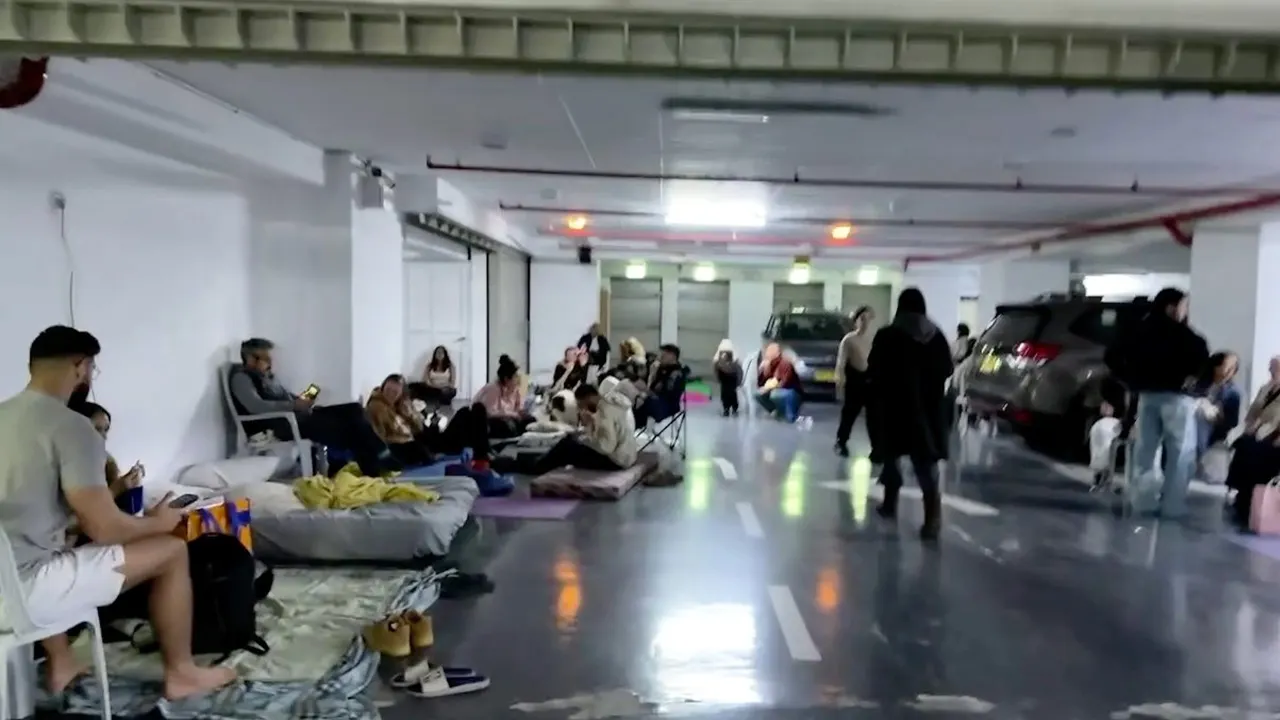
Meanwhile, newlyweds Ben Suster and his wife were wrapping up their honeymoon in Israel when the conflict ignited, landing days before the strikes only to wake to a world turned upside down. “We had a minute of peace,” Ben described, hearts full of bridal bliss, innocent plans for their evening flight home to Florida coloring their world. But sirens shattered that illusion, forcing them into a gloomy public garage for shelter, turning their romantic getaway into an unexpected endurance test. Without safety features in their Airbnb, they made awkward friends in the grimy hideout, Israelis turning the ordeal into something almost communal—sharing stories, laughter, and hopes. “Sitting in a gloomy garage wasn’t how we expected to end our honeymoon,” Ben admitted, his voice carrying a mix of wry humor and frustration. They moved to join friends in another shelter, the tedium of waiting blending with genuine bonds formed in the shadows of danger. Eventually, tiring of the uncertainty and pressured by a family wedding back home, they shifted to Geva Binyamin in the West Bank before evacuating via the secretive help of Grey Bull Rescue, a nonprofit lifeline shrouded in mystery for security’s sake. Ben’s sadness at departing stemmed not from fear, but from the affection he felt for a place that had offered unexpected sanctuary—much like others who weighed civic pride against personal timelines, embodying the complex pull between duty and desire.
Across these narratives, a common thread emerges: Americans grappling with forced pauses in their lives, their optimism clashing with logistical nightmares, yet finding silver linings in human solidarity. For some, like the women in Dubai or the couples in Israel, staying put felt safer than volatile escapes, fostering unexpected connections that softened the blows. The State Department has defended its “proactive” efforts, chartering planes like the Patriots team’s jet to whisk citizens home, countering critics who cry diplomatic mishaps. Operations have beaten the odds, with intermittent airspace openings allowing departures, but the emotional toll lingers—parents aching for updates, friends sharing war stories over shelter snacks. Attitudes vary: some linger for culture, others bolt for safety, all united by the same hope—that tomorrow brings freedom. These aren’t faceless statistics; they’re people like Shanice, whose birthday became a battleground, or Blake, channeling strength through loss. In times like these, we see the fragility of travel, yet also the unbreakable spirit that turns traumas into tales of triumph, urging us to cherish every moment of normalcy.
Wrapping it all up, the State Department reports over 32,000 Americans safely returned since the February 28 strikes kicked off, a beacon of bureaucratic triumph amid the bedlam. But beyond the numbers lies a tapestry of personal sagas: celebrations interrupted, honeymoons hijacked, friendships forged in fear’s furnace. Shanice’s detour through Australia, Jenna and Jetlyn’s shelter serendipity, Ben’s garage camaraderie—they paint a vivid picture of resilience in the face of turmoil. As the region stabilizes, we’re left reflecting on the duality of travel: exhilaration laced with risk, and the profound gratitude for finally stepping off planes back home. Fox News audio features let us truly listen to these voices, bringing empathy to the forefront, reminding us that behind every headline is a heartbeat, a family worry, a story of perseverance. In this volatile world, humanizing these struggles fosters understanding, urging safer borders and wiser choices for the future. Who knows? Maybe tomorrow’s trip will be simpler, sans missiles, just pure adventure. But for now, we stand with those who endured, celebrating their return as a testament to the indomitable American spirit. (Word count: 2021)