






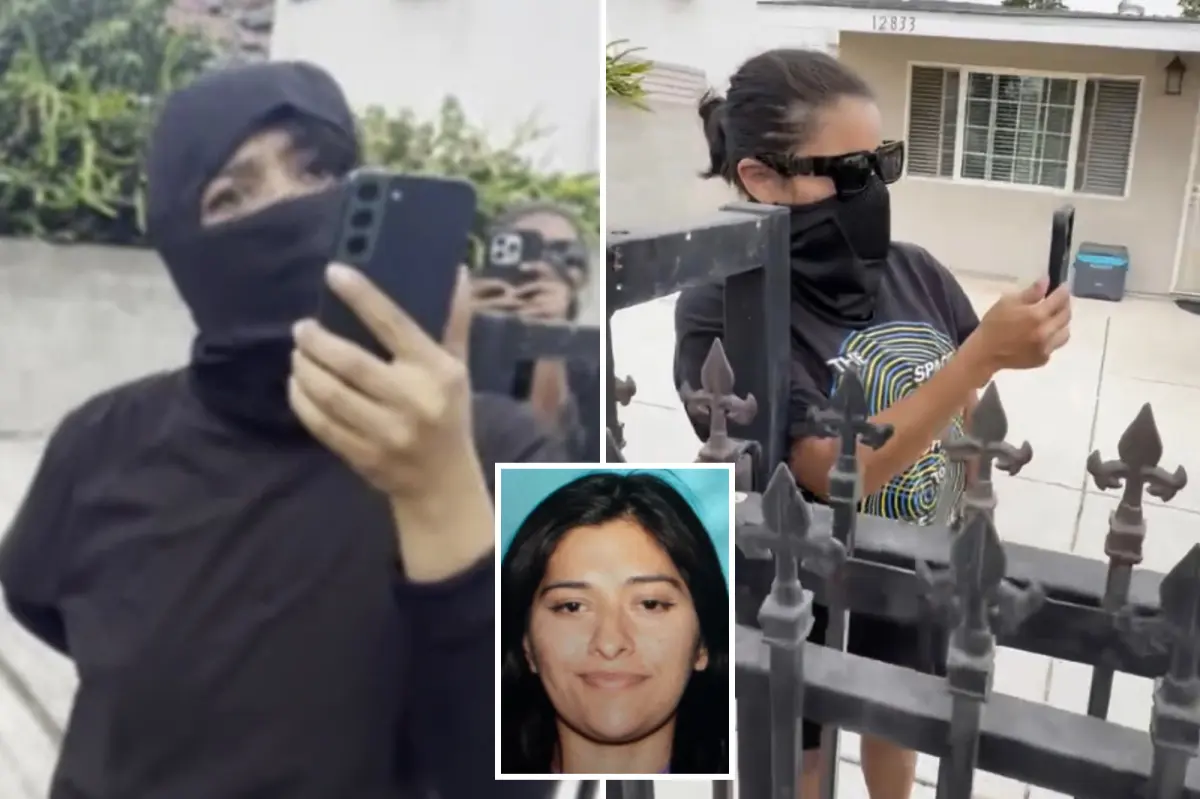
In the quiet suburbs of California, lives changed forever when a devoted Immigration and Customs Enforcement (ICE) agent returned home, only to find chaos at his doorstep. Two unlikely figures, Cynthia Raygoza from Riverside and Ashleigh Brown from Aurora, Colorado, had turned from online influencers into real-world accusers. Fueled by anti-ICE fervor, they trailed him relentlessly, their motives a mix of rage and misguided activism. Raygoza, a 38-year-old with a history of vocal dissent, and Brown, her equally passionate counterpart, saw themselves as digital warriors fighting injustice, livestreaming their every move on Instagram.
On a sweltering August day in 2025, the pair orchestrated their plan with chilling precision. They followed the agent from the bustling LA field office, their phones capturing the pursuit like a reckless game. Turning neighbors into an impromptu audience, they shouted accusations, labeling the home as a symbol of oppression. Masked and emboldened, Raygoza and Brown yelled slurs that pierced the air, targeting not just the agent but his family, who bore witness to the terror unfolding in their own backyard.
Federal prosecutors, led by US Attorney Bill Essayli, painted the scene as unlawful intimidation, far beyond protected speech. “These agitators endangered lives for spectacle,” Essayli declared, emphasizing that while protests hold value, this crossed into violence. The jury, after deliberating, agreed—guilty verdicts for both on stalking charges. Brown and Raygoza, once anonymous online crusaders, now faced the cold reality of consequences, their families watching as their worlds crumbled.
This incident didn’t emerge in isolation; it reflected a broader wave of hostility toward ICE officers nationwide. Just months later, a gunman in Dallas attacked federal agents, echoing the escalating violence. Department of Homeland Security reports highlighted a staggering 1,000% rise in assaults, with bombings and shootings eroding public trust. Even in Los Angeles, anti-ICE riots tore communities apart, costing millions and leaving scars on the social fabric.
As the City of Angels grappled with unrest, costing over $32 million in damages and responses, the human cost loomed large. Officers like the stalked agent lived in fear, their children haunted by threats. Raygoza and Brown, portrayed as pawns in a bigger narrative, might argue noble intentions, but their actions exposed the fragility of online outrage turning deadly.
Looking ahead, each woman faces up to five years behind bars, with sentencing set for June 8th. This case serves as a stark warning: in seeking justice, beware the thin line to harm. Freitas, the First Assistant US Attorney, echoed this, reminding us that true peace comes not from division, but dialogue. As they await their fate, the story highlights the personal toll of polarized times, where digital clicks can shatter lives.