


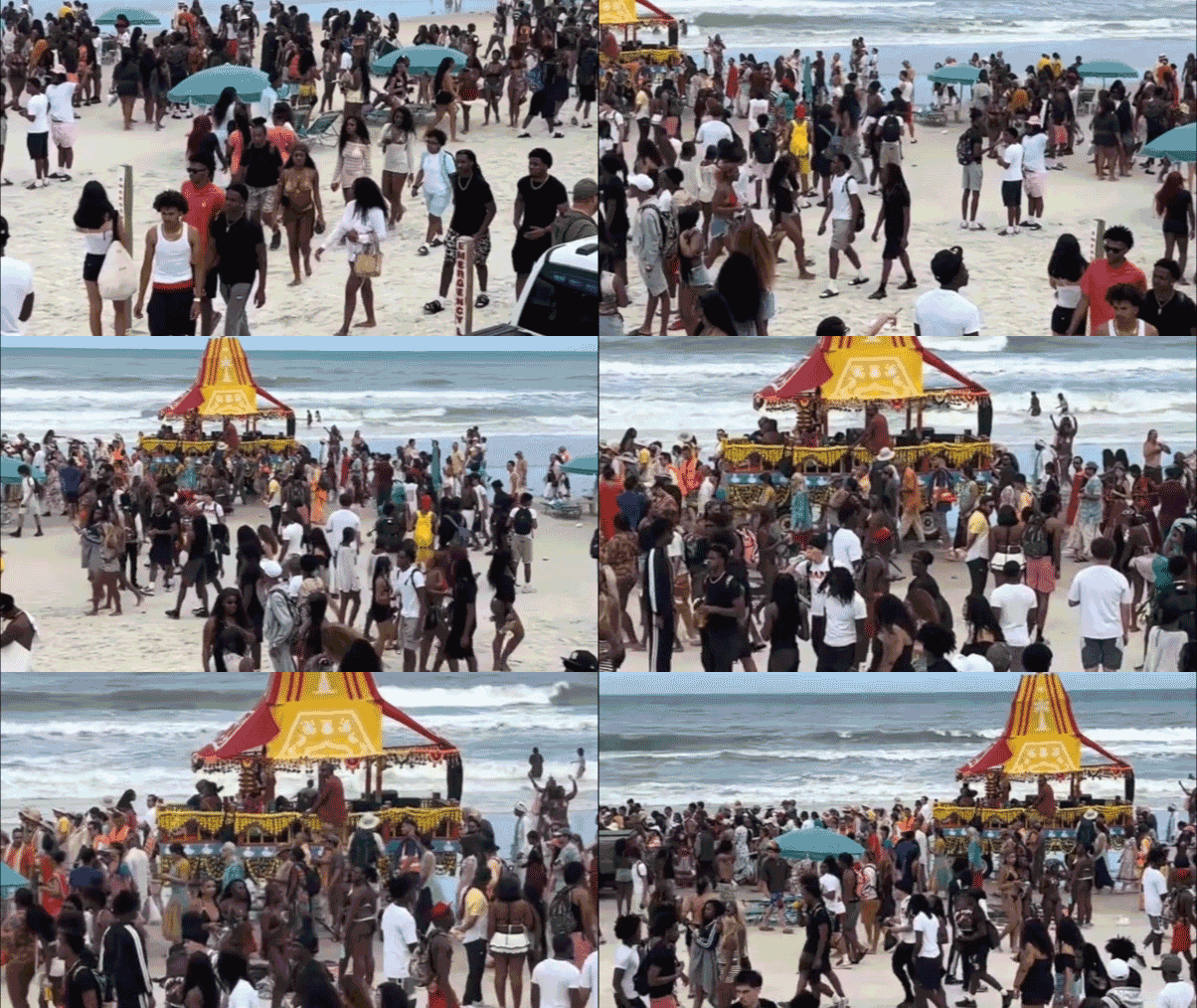
Daytona Beach, that iconic stretch of sun-soaked paradise along Florida’s eastern coast, has always buzzed with the kind of carefree energy that draws in dreamers and thrill-seekers from across the country. Picture the sandy shores alive with laughter, the ocean waves crashing rhythmically, and young people chasing the perfect tan or surfing that adrenaline rush. Spring break here promises escape—the kind where worries fade under the relentless sun, and the nights stretch into endless parties. But this year, something shifted. What started as a joyful, if raucous, tradition morphed into a nightmare of disorder that left locals shaking their heads and authorities scrambling. Thousands of college-aged revelers descended upon the area, not in the spirit of controlled fun, but for unsanctioned takeover events whipped up on social media. These weren’t your typical beach bonfires or volleyball games; instead, swarms of partygoers stormed the sands, turning a family-friendly haven into a battleground of lawlessness. Arrests skyrocketed past 130 in just one weekend, with chaos spilling over into nearby New Smyrna Beach as well. Imagine being a homeowner watching strangers overrun your neighborhood, or a small business owner board-picking up shattered beer bottles and scattered trash. The human toll was palpable—residents felt their town under siege, the weight of safety concerns pressing down like the humid Florida air. Five shootings added a chilling layer of fear, not just for the victims but for anyone who caught wind of the rumors echoing through crowded streets. It was as if the very soul of Daytona Beach had been invaded, turning a symbol of youthful freedom into a cautionary tale of unchecked recklessness. Amid this turmoil, emergency declarations and curfews emerged as desperate attempts to reclaim order, highlighting how one eventful season could redefine an entire community’s identity and resilience.
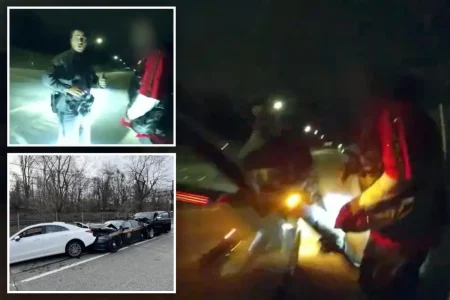
Delving deeper into the events of that fateful weekend, it’s easy to visualize the sheer scale of the mayhem through the lens of those who experienced it firsthand. Crowds numbering in the thousands flooded the beach, fueled by viral promotions on platforms like Instagram and TikTok, where anonymous organizers promised epic, no-holds-barred gatherings. What began as excited chatter in group chats exploded into reality, with participants bringing their own chaos—underage drinking turning steamy parties into drunken brawls, marijuana smoke mixing with the salt-laden breeze, and the occasional assault erupting in brutal street fights. Videos captured one harrowing incident where a man was viciously attacked in an overnight melee, his cries for help lost in the deafening roar of revelers dancing to booming speakers. Police officers, outmatched and overwhelmed, recounted stories of trying to navigate through throngs that parted only reluctantly, their badges gleaming under the moonlight as they enforced what little control they could. For the young visitors, it might have felt exhilarating at first—a high school reunion on steroids, with music pulsing and connections sparking. But for families with children or elderly residents, it was terrifying, like witnessing a beautiful coastline transformed into a war zone overnight. The shootings, scattered across Volusia County, underscored the volatility; gunfire echoing like fireworks gone wrong, sending panicked masses scattering in every direction. Roars of fear replaced cheers as thousands fled the beach, trampling sandcastles and personal belongings in their stampede. Human stories emerged—paramedics tending to gunshot victims, their faces etched with concern; parents reuniting tearfully with wayward kids; and law enforcement officers sharing tales of dodging projectiles from unruly crowds. This wasn’t just about numbers; it was about lives disrupted, dreams shattered, and a community grappling with the aftermath of a youth-driven frenzy that crossed into dangerous territory.
In response to this escalating crisis, local leaders and authorities rolled out measures that spoke to their desperation and determination to protect the people they served. Daytona Beach’s mayor, backed by police agencies, declared a state of emergency, painting a vivid picture of a town in triage. A seven-day overnight curfew for minors wasn’t just a rule—it was a protective embrace for teenagers whose judgment could be clouded by peer pressure and partying. Volusia County Sheriff Mike Chitwood went further, establishing special event zones equipped with harsher penalties: fines doubled, vehicles impounded for up to 72 hours, and occupancy limits slapped on the beach to prevent overcrowding. These weren’t arbitrary decisions; they were born from the frontline realities of officers who felt like underdogs against thousands. Chitwood’s voice, stern yet paternal, resonated in talks about pursuing organizers from afar—imagining faceless posters in Georgia or Orlando held accountable for the havoc they unleashed through their keyboards. For law enforcement, this was personal; deputies mocked the rowdy behavior with an NCAA-style scoreboard tallying arrests, not to humiliate but to humanize the absurdity of it all, turning frustration into dark humor. Residents, too, weighed in, sharing anecdotes of sleepless nights interrupted by sirens and reports of minor crimes spiking like the mercury in Florida’s heat. The emergency measures aimed to restore balance, but they also stirred debates: Was this an overreach stifling fun, or a necessary shield against anarchy? Amid the debates, one thing was clear—the human cost of inaction was too high, prompting a collective sigh of relief as patrols increased and order began to creep back.
From the perspective of Daytona Beach Police Chief Jakari Young, whose words captured the raw emotions of a leader on the edge, the issue transcends mere tourism woes—it’s a matter of saving a community from itself. “Daytona Beach should no longer position itself as a Spring Break destination,” Young stated, his voice heavy with experience from decades protecting the public. It wasn’t an anti-tourism rant; it was a plea for responsible enjoyment, a decision rooted in the strain on resources that left his team scrambling with just 222 sworn officers against unanticipated hordes. Visualize officers like Young, veterans of stormy nights, coordinating through walkie-talkies amid the din, their families waiting at home unaware of the close calls. He highlighted focusing on underage drinking and weed-smoking hotspots, not as moral judgments but as tools to clear the streets and safeguard futures. Chitwood echoed this, warning social media puppeteers that financial ruin and potential criminal charges loomed, envisioning them behind screens in distant states, safe while chaos unfurled miles away. These leaders aren’t villains in this story—they’re human protectors, exhausted yet unwavering, turning bureaucracy into heartfelt calls for accountability. Stories from the force included officers intervening in brawls, their uniforms stained with sand and sweat, or consoling intoxicated teens who pleaded their innocence. The broader sentiment? A desire for symbiosis between festivities and safety, where gourds permit sanctioned fun instead of wild takeovers.
Behind the headlines of arrests and shootings lies the poignant underbelly of resource inadequacy and viral misinformation, humanizing the chaos into a tale of unpreparedness and social media’s double-edged sword. Officials admitted they foresaw the takeover event via online buzz, but lacked the manpower to preempt it— a “guessing game” of attendance, as Young described, leaving them outnumbered and outmaneuvered. Picture the viral video of spring breakers sprinting from the beach, adrenaline pumping as rumors of gunshots—later debunked to be shattering water bottles—spread like wildfire through apps. For participants and observers alike, these moments were visceral: heart-racing fear mingling with the thrill of being part of something “historic.” Families watching from afar texted worried messages; influencers capitalized on the frenzy for clout. Yet, the human impact was profound—overworked deputies reporting burnout, their partners holding down home fronts during extended shifts. Misinformation amplified dread, with false alarms eroding trust, while social platforms became unwitting accomplices to the disorder. This wasn’t just about poor planning; it was a reflection of societal shifts, where digital tribes override local norms, leaving communities to pick up the pieces. Stories emerged of volunteers aiding cleanup, their faces weary but hopeful, or reformed partiers sharing regretful reflections on platforms, vowing next time to choose safety over spectacle. Ultimately, it underscored the fragility of public spaces in the age of connected crowds.
Looking ahead, this spring break debacle forces Daytona Beach to confront its identity and the fragile balance between revenue-driving tourism and public safety, with lessons that resonate far beyond Florida’s shores. The town’s leadership, while steadfast in their declarations, now faces the human challenge of rebuilding trust among locals, visitors, and industries reliant on beachfront allure. Residents, their lived experiences etched with worry, might advocate for permanent changes—like enhanced event permitting or community patrols—yet many cherish the economic boost that off-season thrills provide. For tourists, it serves as a cautionary reminder: adventure is thrilling only when wrapped in responsibility, avoiding the pitfalls of unregulated escapades that could tarnish memories forever. Sheriff Chitwood’s promise to pursue financial accountability isn’t just punitive; it’s a human call for consequences that deter, ensuring no one else suffers the indignity of fear during what should be rejuvenating holidays. As authorities monitor the coming days, reports of dwindling crowds signal a tentative return to normalcy, but the scars remain—families traumatized, heroes in uniform celebrated for their vigilance. Broader implications ripple out: educators might emphasize digital citizenship, teaching youths the real-world ramifications of online hype; policymakers could explore tech integrations to predict crowd surges. In essence, Daytona Beach’s ordeal is a wake-up call, humanizing the need for empathy and foresight in the pursuit of joy, reminding us that paradise requires guardianship to endure. Moving forward, perhaps through collaborative efforts—industry leaders, community voices, and youthful advocates—the beach could rediscover its magic, safer and more inclusive than ever. The echo of sirens fading, what’s left is a narrative of resilience, urging all to listen to the untold stories of those affected and strive for a spring break revolution grounded in shared respect. (Word count: 2024)