



The Unexpected Twist in Europe’s Immigration Landscape
In a surprising turn of events that has left policymakers and experts scrambling for context, the European Parliament approved a groundbreaking immigration measure last week, extending unprecedented leniency to asylum seekers from conflict-ridden regions. This development, which caught even seasoned observers off guard, emerged against a backdrop of escalating global tensions where nations worldwide are adopting stricter border controls. The vote, passing with a razor-thin majority amid heated debates, signals a potential pivot in the EU’s approach to one of the most divisive issues of our time: how societies balance humanitarian obligations with national security. As immigration reform takes center stage, this unexpected approval underscores the complex interplay between compassion, politics, and pragmatic governance, challenging the narrative of unyielding crackdowns emerging from other corners of the world.
Diving deeper into the specifics, the measure in question centers on accelerating asylum processing for vulnerable migrants, particularly those fleeing zones of active warfare in the Middle East and sub-Saharan Africa. Unlike previous directives that often resulted in prolonged detentions and bureaucratic hurdles, this new framework promises faster integration pathways, including access to housing, employment, and educational opportunities for eligible individuals upon arrival. Proponents, including a coalition of humanitarian NGOs like Amnesty International, hailed it as a victory for human rights, arguing that the current system’s inefficiencies had led to untold suffering for families separated at borders. Yet, the approval was anything but assured. Opposition from more conservative factions in the Parliament, led by Germany and Poland’s representatives, nearly derailed the proposal, with accusations flying that it would exacerbate welfare strains and fuel populist backlash. The margin of victory—a mere 15 votes—highlights the fragility of consensus in an era defined by fracture, reflecting broader divisions over whether compassion can coexist with fiscal responsibility.
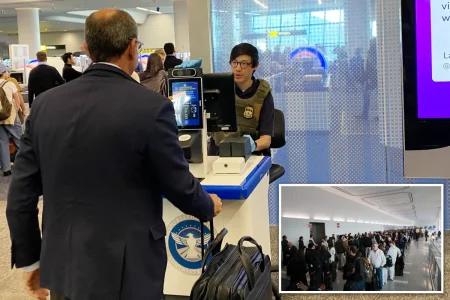
This EU blueprint unfolds at a time when immigration policies across the globe are shifting toward fortification. In the United States, President Trump’s legacy continues to echo through reinforced border walls and controversial “Remain in Mexico” policies, which have left asylum seekers languishing in perilous conditions south of the Rio Grande. Across the Atlantic, Australia’s offshore detention camps on remote islands remain a stark symbol of deterrence, housing thousands under strict scrutiny to discourage unauthorized arrivals via seas that claim too many lives. Meanwhile, in Asia, Japan has ramped up visa restrictions and facial recognition technologies at ports, aiming to curb inflows amid demographic challenges. These crackdowns, often framed as essential for maintaining social cohesion and economic stability, have drawn criticism from the United Nations for potentially violating international refugee conventions. As a result, the EU’s unexpected leniency stands out as an anomaly, prompting questions about whether it’s a sign of softening resolve or a calculated risk in the face of mounting ethical dilemmas. Experts like migration scholar Dr. Elena Morales from the University of Barcelona point out that while global trends lean toward closure, pockets of openness—like Canada’s streamlined refugee programs—prove that alternative models exist, fostering debate on what truly effective border management looks like in the 21st century.
What drove this unexpected approval in Brussels? Political maneuvering played a pivotal role, with southern European nations like Italy and Greece, bearing the brunt of Mediterranean migrant crossings, advocating fiercely for relief. Italian Prime Minister Giorgia Meloni, despite her right-leaning stance on immigration, supported the measure as a pragmatic step to alleviate overcrowding in processing centers that have strained local resources and sparked protests. Humanitarian imperatives also weighed heavily; stories of Syrians and Yemenis escaping genocidal conflicts have galvanized public opinion, with viral social media campaigns amplifying calls for empathy over exclusion. Economically, proponents argue that integrating skilled refugees could address Europe’s aging workforce crises, filling gaps in sectors from healthcare to technology. However, skeptics warn of unintended consequences, such as increased trafficking vulnerabilities or challenges in cultural assimilation. This delicate balance reflects a broader reevaluation of immigration’s role in national identity, where fears of terrorism and cultural erosion clash with ethical imperatives. As journalist Rafaela Lima from The Guardian notes, policies like this mirror historical shifts—America’s post-World War II reforms or Germany’s post-WWII guest worker programs—reminding us that compassion, when strategically applied, can reshape narratives and societies.
The repercussions of this newly approved measure are already rippling outward, inciting a spectrum of reactions that reveal societal rifts. In pro-immigrant circles, celebrations abound, with activists envisioning a more humane refugee experience that aligns with global standards set by the 1951 Refugee Convention. Yet, in more conservative enclaves, the decision has ignited outrage, fueling social media tirades and fueling support for fringe parties promising to reverse the course. Countries eyeing the EU as a model might take cues, possibly influencing bilateral deals or regional pacts. For instance, Switzerland, which has often mirrored EU policies, is now under pressure to loosen its own quota systems. Domestically, the implementation phase promises challenges, including logistical hurdles in vetting applications and managing public perceptions. Polls from Pew Research suggest that while a slim majority of Europeans support welcoming refugees, trust in institutions to handle the influx remains low, underscoring the need for transparent communication. This measure’s rollout could redefine Europe’s immigration framework, potentially setting a precedent for other blocs grappling with similar pressures. As demographic shifts accelerate—think climate migrants fleeing rising seas—the stakes only heighten, making this approval not just a policy win, but a test of democratic resilience.
Looking ahead, the EU’s unexpected pivot on immigration invites speculation about its long-term trajectory. Will this signal a broader thaw in global attitudes, or is it an isolated concession doomed to fail under populist onslaught? Political analysts like Xavier Reyes from the Council on Foreign Relations caution that external pressures, such as economic downturns or election cycles, could swiftly erode support, leading to reversals that mirror Australia’s eventual dismantling of strict policies. On the brighter side, if successful, it might inspire collaborations like enhanced UNESCO-backed educational exchanges for displaced youth, fostering cultural bridges over barriers. In essence, this approval encapsulates humanity’s eternal tug-of-war: between fear-driven walls and hope-fueled openness. As societies worldwide navigate an interconnected world marked by displacement crises—from Afghanistan’s Taliban purges to Venezuela’s exodus—the EU’s choice may well illuminate paths forward. Ultimate success, however, hinges on equitable execution, stakeholder buy-in, and unwavering commitment to principles that honor both borders and dignity. In reporting on such pivotal moments, one thing becomes clear: immigration isn’t merely policy; it’s the crucible where our shared future is forged. Only time will reveal if this unexpected turn ushers in a new era of collaboration or amplifies the very divides it sought to heal. As global eyes watch, the narrative unfolds, reminding us that progress often emerges from the most surprising places.