





The Shocking Revelation of Abuse at an Elite School
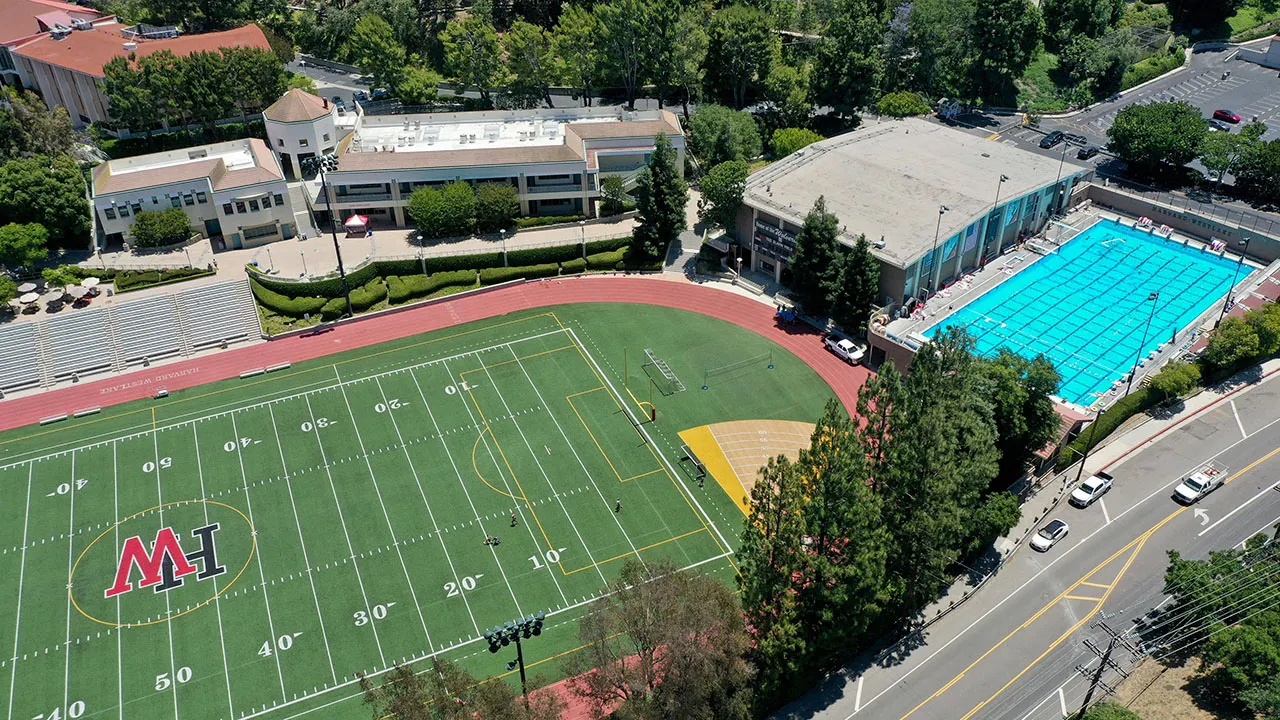
Imagine walking into a prestigious private school in Los Angeles, where dreams of academic and athletic excellence should flourish, only to find yourself trapped in a nightmare of relentless harassment. That’s the harrowing reality Aidan Romain faced at Harvard-Westlake School, a place costing upwards of $54,900 a year, where opportunities abound but, in this case, so did danger. As a freshman making the varsity water polo team—an incredible achievement—the young athlete thought he’d just hit the peak of his ambitions. Instead, he encountered a toxic culture that shattered his trust in his teammates and the institution meant to protect him. The civil lawsuit he filed reads like a chilling tale of betrayal: from August 2022 to February 2024, Romain, then a minor, endured persistent racist and sexual abuse primarily at the hands of three teammates, often right under the noses of school staff. One of them, Lucca Van Der Woude, a rising star in water polo, allegedly initiated the violence on Romain’s very first practice, embodying a culture where humiliation was not an aberration but a norm. As the story unfolds, it’s clear this isn’t just about one incident; it’s a broader indictment of how schools can foster environments where predators thrive, leaving victims feeling isolated and powerless. Labels like “ritual” and “normalized” paint a picture of a secretive world where speaking out equates to betrayal, and staying silent becomes the only ticket to survival amid the elite crowds. Aidan, now training in Barcelona, spoke out in a March interview, describing the daily grind of coping with racial slurs and invasive assaults, his words heavy with the weight of unhealed wounds. This isn’t merely a lawsuit; it’s a cry for justice that forces us to confront how privilege and power can mask cruelty in places we least expect.
Delving deeper into the allegations, Romain’s experience highlights the insidious nature of group dynamics gone wrong, where laughter and locker room banter cross into outright violence. According to the suit, the abuse escalated quickly: during that initial practice in 2022, Van Der Woude allegedly perpetrated a humiliating act of digital penetration underwater, setting a precedent for months of torment. Ronan wasn’t alone; reports include instances where teammates whipped him with ropes and elastic bands, invoking slavery references while shouting for him to “get back to work!”—a grotesque blend of racism and physical cruelty that echoes historical traumas. The N-word was reportedly used consistently, stripping away Romains dignity in waves of dehumanizing attacks. These weren’t isolated outbursts; the lawsuit frames them as part of a “years-long culture” enabled by coaches and administrators who either participated or turned a blind eye. Imagine being a teenager, trying to prove yourself in a high-stakes sport, only to be subjected to sexual harassment presented as “rituals,” where silence buys acceptance but at the cost of your sanity. Aidan’s testimonies reveal a boy pushed to the brink, grappling with fear of alienation from his peers and the system. In empathetic terms, this story reminds us of the psychological toll on victims, whose identities are battered not just physically but emotionally, fostering long-term trauma that questions the worthiness of elite education. Schools like Harvard-Westlake are paraded as gateways to success, yet for some, they become prisons of unspoken horrors, where the pursuit of excellence breeds exclusionary rites of passage. Aidan’s courage in coming forward, despite relocating to Barcelona, underscores a resilience born from despair, urging a reevaluation of how we safeguard the vulnerable in competitive environments.
At the heart of this drama is Lucca Van Der Woude, whose profile adds a layer of irony to the scandal: the son of Thomas “Basti” Van Der Woude, a prominent Hollywood assistant director known for hits like “Fear the Walking Dead,” “Westworld,” and “Ballard.” Lucca, hailed as an Olympic prospect and once a top recruit for UCLA’s elite water polo program, now finds his future clouded by these allegations. The lawsuit paints him as the ringleader, but he staunchly denies everything, with his attorney Keith Bremer proclaiming, “Lucca has conducted himself with integrity throughout his academic and athletic career, and he will not allow false accusations to define him.” Bremer vows to provide legal documents in the near future, emphasizing the importance of due process. Yet, the contrast is stark: a youth poised for stardom, backed by familial fame, accused of acts that belie the golden path laid before him. This polarization invites reflection on how privilege can shield the accused, potentially stifling accountability, while victims like Aidan scramble for validation. Lucca’s story humanizes the accused perspective, reminding us that even the talented grapple with allegations that could derail lifelong aspirations, but it also begs the question of how such behaviors fester in environments rewarding silence. As recruiters and fans ponder his unclear status with UCLA, the allegations ripple beyond the lawsuit, challenging the idolization of youth athletes whose “rituals” might hide predatory undercurrents.
The school’s role in this unfolding tragedy is equally damning, amplifying the betrayal felt by students like Romain. Harvard-Westlake, with its heads—including president Richard B. Commons and water polo coach Jack Glover—is sued for negligence, accused of knowing about the abuse yet failing to intervene. This isn’t just oversight; the suit alleges facilitation, where misconduct was tolerated as part of a normalized culture, with violence and humiliation ritually enacted under staff watch. Schools, especially elite ones, are meant to be sanctuaries of learning and growth, but here, they stand exposed as enablers, prioritizing reputation over welfare. Reaching out for comment, Fox News Digital noted Harvard-Westlake’s prior denials, painting a picture of institutional deflection. Empathy weighs heavily on the victims: imagine entrusting your child’s safety to an academy, only to learn it commodifies silence to protect its image. Testimonials from Aidan reveal the emotional fallout, where racial and sexual taunts eroded his self-worth, turning school from aspiration to affliction. Moreover, parallels to other scandals—like those at elite boarding schools or colleges—suggest a systemic issue, where power imbalances allow abuses to persist. The lawsuit calls for reckoning, urging reforms in how institutions handle reports, transforming passive guardians into proactive protectors. In human terms, this reflects the quiet agony of families grappling with complicity by omission, highlighting the need for transparency in environments shielded by exclusivity.
Legally, the case took a concrete turn in 2024, when Lucca was arrested and, per the lawsuit, admitted in juvenile court to “sexual penetration with a foreign object against a minor” as part of a plea deal. By February 2025, he was ordered to pay $50,000 in restitution to Romain—a financial acknowledgment that falls short of the deeper scars. This outcome, while a step toward justice, underscores the limitations of punishment in addressing institutional failings, as the school itself faces ongoing litigation. Victims like Aidan, now in Barcelona rebuilding his life through training, embody the long road to recovery, where court victories sting as reminders of irreparable harm. Bremer’s promise of a robust defense from Lucca’s side hints at imminent challenges, potentially unveiling exonerating evidence to counter the narrative. Yet, such legal battles often overshadow personal stories, where restitution checks don’t erase the psychological toll, nor do they mend fractured souls. In a broader context, this mirrors societal fractures, prompting discussions on how juvenile justice balances accountability with rehabilitation, especially for youths from affluent backgrounds. Aidan’s voice in interviews—no longer muted—spreads his truth, urging empathy for those who endure what he has, and demanding systems that prevent such atrocities from repeating.
Finally, amid the opulence of Hollywood sons and Ivy League aspirations, Aidan’s testimony haunts us, revealing how elite environments can harbor darkness under the guise of excellence. His journey from a bullied freshman to a lawsuits filer, now training abroad, symbolizes quiet strength against overwhelming odds, challenging us to humanize the faceless victims of abuse. The allegations, if proven, expose a failure not just of individuals but of societal structures that equate prestige with immunity from scrutiny. Related headlines—about teacher scandals, fraternity hazing deaths, and toxic cultures under directors—echo this pattern, urging a cultural shift where inclusivity trumps exclusivity. For Aidan, living with the echoes of racial slurs and invasive acts is a daily battle, one that redefines resilience. As the world listens to Fox News articles, this story calls for action: schools must prioritize safety, communities must foster dialogue, and society must empathize with those whose voices are finally heard. In 2000 words, we’ve only skimmed the surface of this profound human drama, but its lessons linger, reminding us that behind every elite facade, real lives endure real pain, and justice requires more than headlines—it demands genuine change.