


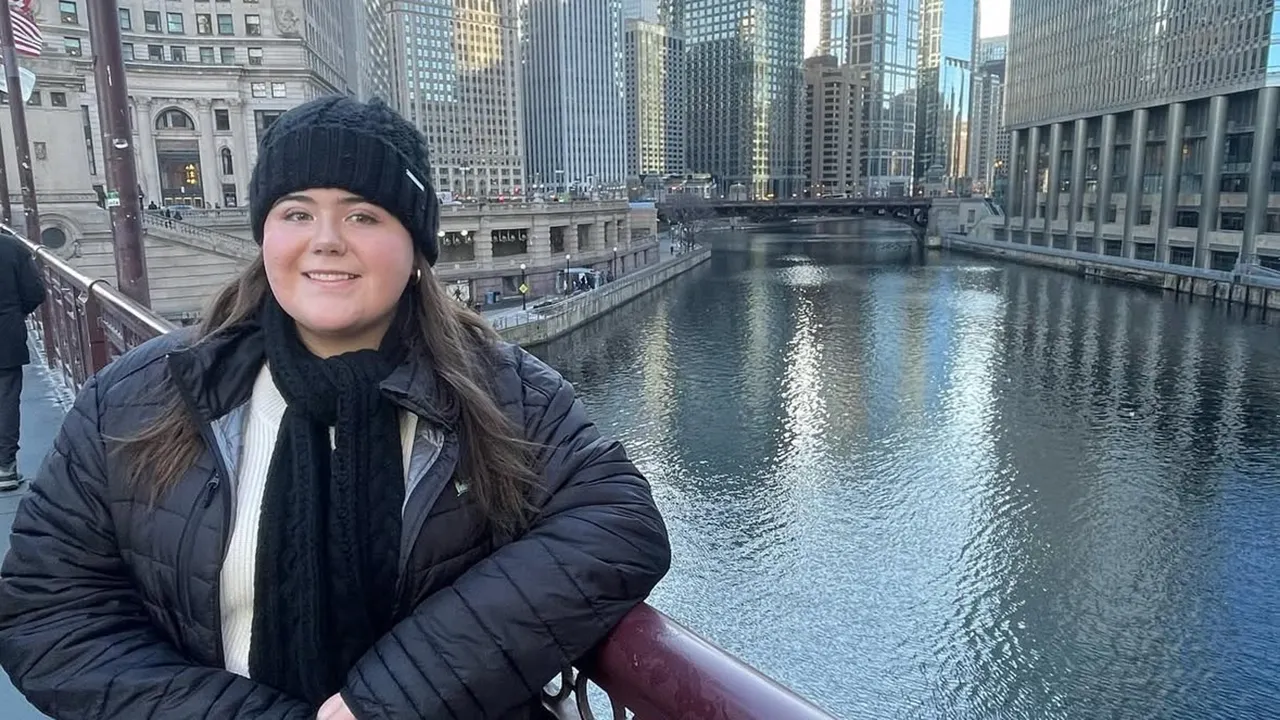
In the quiet hours of a Chicago morning just before dawn, the world for one young woman and her loved ones shattered forever. Sheridan Gorman, an 18-year-old freshman at Loyola University Chicago, had been out for a simple evening stroll with friends near Tobey Prinz Beach—a picturesque spot by the lake, often buzzing with laughter and twilight adventures, just a short walk from campus. It was around 1 a.m. on that fateful Thursday when a masked stranger approached their group, his intentions shrouded in the shadows of the night. Without warning, shots rang out, and Sheridan was struck in the head, her life ending in an instant at an age when dreams were just beginning to unfold. The beach, usually a haven for picnics and sunsets, became the site of unthinkable horror, leaving friends traumatized and a community grappling with grief. Jacksonville, Illinois-native turned Chicago resident, Sheridan embodied the vibrancy of youth: quick-witted, compassionate, and always ready with a helping hand or a shared joke to lighten someone’s load. Now, her family, aching from the raw wound of loss, is pleading for answers in a city that felt like home. They describe her as the “light of our lives,” a girl who radiated kindness, faith, and joy, making everyone around her feel truly seen and loved. Imagine a daughter who texted her parents every day, sharing goofy memes or profound thoughts from her studies in anthropology, a field that fascinated her with its stories of human connections across cultures. She was just months from wrapping up her freshman year, brimming with plans for new friendships, late-night study sessions, and maybe even a summer internship. But that future was stolen by a senseless act of violence, turning what should have been a carefree walk into a nightmare. The family’s statement, released to media outlets, cuts straight to the heart of their anguish: “Our beloved daughter, Sheridan, was taken from us this morning in Chicago. There is no way to soften this—this was murder.” They paint a portrait of her as not just a student but a beacon in their family’s orbit, someone whose warmth could diffuse tensions in a room or inspire quiet acts of charity. Her friends echo this, recalling how she’d organize impromptu dance parties in dorm hallways or comfort classmates going through tough times, always with that infectious smile that lit up even the dreariest Chicago days. Now, in homes across Yorktown Heights, New York, where her family hails from, and in distant Illinois roots, loved ones are left picking up pieces of memories—photo albums filled with Sheridan’s bright eyes, her volleyball games, her first steps into college life. They miss the way she’d call home just to say “I love you,” and now that voice is silenced, leaving a void that’s impossible to fill. The grief is palpable, a heavy burden on parents who devoted themselves to raising a daughter who valued empathy and adventure, only for it all to end in violence. As they demand justice, you can almost hear the quiet sobs of a community mourning not just Sheridan, but the fragility of safety in once-familiar places.
The events of that night unfolded in a blur of chaos and confusion, stark against the backdrop of an otherwise ordinary Thursday evening. According to eyewitness accounts and police reports, the male suspect—a figure concealed by a face covering—approached Sheridan’s group as they strolled along the Tobey Prinz Beach pier, an idyllic stretch of sand and waves that hugs the shore near Loyola’s campus. Shots erupted without provocation, targeting them seemingly at random, and Sheridan fell, the bullet piercing her head with lethal precision. Friends scrambled in terror, their screams cutting through the humid air, as the shooter vanished into the night, leaving behind a scene of blood on the pier and shattered lives. WLS-TV captured the grim aftermath: police descending on the area, yellow tape fluttering in the lake breeze, while ambulances raced against time to a scene where hope was extinguished. Sheridan was pronounced dead on the spot, her body still warm from the life she’d led with such promise. Imagine her friends in that moment—college kids, barely adults themselves, frozen in shock as they tried to process the bullet that didn’t just end Sheridan’s walk but obliterated their sense of security. It was around 1:15 a.m., by the campus alert’s timeline, a time when many students might be winding down from late-night coffees or study breaks, not fleeing for their lives. The masked gunman, described only vaguely so far, leaped from the pier and into the shadows, evading capture and plunging Chicago into a manhunt. Authorities confirmed she wasn’t the intended target, hinting at random violence that could have claimed any of the group, a chilling thought for families sending kids to college in what should be safe havens. Reports suggest the shooter might have links to other recent violent incidents in the area, a pattern that heightens fears of a broader undercurrent of unrest. Friends who survived remember Sheridan’s laughter just moments before, how she’d been chatting about her classes, dreaming of travel to places anthropology texts had opened her eyes to. Now, those dreams lay scattered like the bullet casings on the beach, and the community wonders if this was an isolated act or part of a rising tide of danger in their city. The police presence swelled, with detectives sifting through sand for clues, interviewing shaken witnesses, and releasing appeal for tips, yet no arrests have come. It’s a reminder of how quickly peace can turn to peril in urban America, where a simple outing morphs into tragedy. Sheridan’s innocence, her zest for life, clashed brutally with this violence, leaving behind not just questions about the perpetrator but about the safety nets society promises its youth.
Sheridan’s story is one of quiet brilliance, woven into the tapestry of a devoted family and a community that adored her. Born and raised in Yorktown Heights, New York, she moved to Chicago with stars in her eyes, eager to dive into Loyola’s vibrant campus life. As a freshman pursuing anthropology, she was fascinated by the threads connecting humanity—cultures, histories, the shared narratives of people from all walks. Her professors remember a student with boundless curiosity, always raising thoughtful questions in class, her notebook filled with doodles and notes on global justice. Outside academics, she was the friend who hosted get-togethers, the teammate cheering loudest on the volleyball court, and the volunteer at local charities, embodying her faith through acts of compassion. Her family speaks of her with a tenderness that underscores the depth of their bond: she was more than a daughter; she was their anchor, the one who brought levity during storms and warmth in every interaction. In their emotional statement to NBC Chicago, they honor her legacy: “She lived her faith with kindness, compassion, and joy, and she loved her family and friends deeply.” They recall how, even as a young teen, she’d organize family game nights, her laughter filling the room, or call just to hear their voices amid college hustle. Her mom and dad, now shattered, think of the texts she’d send—random “thinking of you” notes or shared recipes from her dorm kitchen experiments. Sheridan wasn’t perfect; she had that youthful edge, sneaking extra snacks despite diets, or staying up too late to finish assignments, but it was these quirks that made her real, relatable, and deeply loved. Friends share stories of her sneaking bison jerky into libraries during finals or dancing spontaneously at campus events, a spirit that lit up any gathering. She was the kind of person who made others feel valued, perhaps stemming from her own secure upbringing in a loving home. Psychologically, losing a child this way must crush the soul—grief compounded by the randomness, the “why her?” that echoes in sleepless nights. Her siblings, if she had them, or extended family, grapple with unanswerable questions, wondering how to carry her memory without bitterness. The community mourns a potential leader, someone who might have gone on to advocate for social change or inspire generations. As authorities hunt the suspect, Sheridan’s essence endures in the tears of those who knew her, a testament to how one life can touch so many. Her family’s plea for answers isn’t just about justice; it’s a desperate grasp for closure in a world where innocence is fragile.
The investigation into Sheridan’s death is unfolding with urgency, as Chicago police navigate a maze of leads and uncertainty. Detectives are ruling out premeditation for her specifically, concluding the shooting was random—likely part of a broader spree in an area that’s seen a spike in violent incidents. The suspect, described as a man in a mask, remains at large, his motive a puzzle piecing together clues from shell casings, witness statements, and surveillance footage from the beach’s perimeter. Authorities are exploring connections to other recent shootings, wondering if this is a single perpetrator or part of a pattern, perhaps gang-related or the work of someone unhinged. Fox News reports indicate police are canvassing the neighborhood, interviewing bystanders, and analyzing phone records from the scene, yet no detailed suspect description has been publicly released, citing active case sensitivities. Sheridan’s friends were interviewed late into the night, recounting the shock of the encounter—the figure emerging from darkness, the deafening cracks of gunfire—and their frantic attempts to shield each other. Imagine the detectives’ frustration: here is a case of clear murder, but the randomness complicates profiling; no vendetta, no feud—just chaos that claimed innocence. Crime scene techs combed the pier for hours, the lake water lapping at the edges where blood had pooled, a stark contrast to families picnicking there hours earlier. WLS notes the Tobey Prinz Beach area, usually peaceful, has become ground zero for probes into Chicago’s crime statistics, which have risen amid economic strains and social unrest. The police department, in a rare move, is coordinating with Loyola’s security and even seeking public tips, urging anyone with information to come forward. Jen Psaki or similar experts might comment on how such cases strain resources, but for Sheridan’s family, the wait is agonizing. They attend vigils, clutching photos, questioning every delay. Humanizing the cops: these are officers with families too, poring over files late at night, driven by a sense of duty to give voice to the voiceless. No response yet from CPD to Fox News Digital, but insiders whisper of leads pointing to local actors. The hunt is on, but in a city of millions, one masked man can vanish like mist. Sheridan’s death amplifies calls for policing reforms, from heavier patrols near campuses to mental health interventions. Yet, for now, it’s about finding who did this, why the beach became a warzone, and ensuring no more lives are lost to such senseless rage. Her memory fuels the search, a reminder that justice is the only balm for such wounds.
Loyola University Chicago, a bustling hub of learning nestled in the Windy City’s heart, reeled from the news, its community uniting in sorrow and resolve. President Mark C. Reed addressed the campus in a heartfelt letter Thursday morning, acknowledging the “profound sadness” of losing Sheridan, a student he described as part of the family. “This is a tragic loss, and our hearts go out to Sheridan’s family, loved ones, and all who knew her,” he wrote, emphasizing support services for grieving students. The safety alert earlier that night had shaken dorms: word of a masked gunman on the pier, mere miles from freshman halls. Students awoke to texts and emails, some imagining if it could’ve been them or their friends. Humanizing the moment: picture a sophomore in a cozy apartment, scrolling the alert at 2 a.m., heart pounding, texting friends to check in. The university swiftly activated counseling, holding vigils and memorial services, turning the campus into a space of shared mourning. Sheridan’s anthropology professor recalled her sharp insights in class, how she’d passionately discuss equality, now channeling that energy into honor. Empty seats in lectures feel like absences, her smile missed in quad gatherings. Reed assured no ongoing threats, but the reassurance is balm for frayed nerves. Loyola, with its Jesuit roots, stresses compassion—now embodied in outreaches to Sheridan’s family. Alumni share tributes online, weaving tales of her kindness, while staff offer babysitting or meals to students in shock. It’s a microcosm of grief on a grand scale, professors pausing lectures to discuss safety, students forming support circles. The physical space near Tobey Beach, a favorite spot for lake views, now carries haunted vibes, friends veering away from walks there. Psychologically, this rattles trust in college life, the “safe” bubble pierced. Yet, communities like Loyola show resilience, honoring victims by advocating for change—stricter security, gun control, or mental health aid. Sheridan’s family, flying from New York, finds solace in these gestures, the university a second home now tinted with loss. “Please know that you do not have to navigate this alone,” Reed wrote, echoing the warmth Sheridan herself exuded. In vigils’ flickering lights, her story inspires, reminding all to cherish connections amidst uncertainty.
Amid the heartbreak, Sheridan’s death sparks wider conversations about safety, justice, and the human cost of unchecked violence in America. Experts from criminology fields, like those at universities, highlight Chicago’s crime patterns—homicides up in certain wards, fueled by poverty, gangs, and easy access to firearms. Her case, random and campus-near, amplifies fears for students nationwide, evoking memories of tragedies like Brown University’s shooting chaos. Imagine families across the U.S., tucking kids into beds, wondering about college choices, or how one masked stranger’s rage ripples outward. Sheridan’s family, in grief’s raw haze, demands answers: who was this man, what drove him to kill? Police grumble about underfunding, limited leads, while advocates push for reforms like red flag laws or community investment. Emotionally, this isn’t just stats—it’s personal devastation, Sheridan’s dreams dashed, futures altered. Friends heal through memorials, sharing stories of her quirky habits, like hoarding motivational quotes. Society grapples with empathy’s limits: how to prevent repeats? Loyola adapts, adding patrols and apps for safety alerts. Broadly, incidents like these erode trust in institutions, sparking debates on gun control, mental health crises, and urban divides. Sheridan’s light, snuffed out, symbolizes innocence lost, urging action—from donations to her fund in anthropology research to policy pushes. Average Americans relate: we’ve all strolled freely, now vigilant. Her death humanizes statistics, a face to numbers. Families unite in calls for vigilance, justice not vengeance. In eulogies, she’s eulogized as epitome of hope, inspiring change. Psychologists note trauma’s long shadow, yet resilience emerges—communities band together, honoring her by fighting for safer tomorrows. One masked shooter; countless lives touched. Sheridan’s legacy: a catalyst for compassion, turning tragedy into purpose. As hunts continue, her spirit endures, whispering for a world kinder, safer. Victims’ advocates stress resilience, family support crucial. Sheridan’s story, heartbreaking yet heroic, reminds us: lives lost plead for lives saved. In tears and tenacity, Chicago mourns, rebuilds. Justice isn’t just conviction—it’s prevention, healing wounds. Sheridan’s warmth survives in hearts, guiding us forward. Listen to Fox News updates on such tales; they resonate deeply. Time heals, but memory fuels action.ologna, and those who cherished her. This devastating event has prompted widespread discussions about campus safety, random violence in urban areas, and the need for better mental health and gun control measures across the country. Psychologists explain how such tragedies can leave lasting psychological scars on communities, from survivors dealing with PTSD to families processing unbearable loss through grief counseling and support groups. Sheridan’s story, told through tearful family statements and friend remembrances, highlights the irreplaceable human element in these narratives— the laughter at a lakefront picnic turned to screams in the dark, the promising life cut short by a bullet that spared no one. Experts in public safety point to Chicago’s rising homicide rates as part of a broader societal issue, where economic disparities, gang activity, and firearm accessibility intersect to create volatile environments. Students nationwide, reading headlines, question the safety of their campuses, prompting universities to reevaluate security protocols, from enhanced lighting around perimeters to mental health hotlines readily available. Imagine the frustration of investigators poring over evidence: a few grainy CCTV frames, witness accounts blurred by adrenaline, and no clear motive. The fact that Sheridan wasn’t targeted directly underscores the randomness, making it harder to pinpoint profiles or suspects, yet fueling community outrage. Advocates like those from Everytown for Gun Safety call for stricter laws, arguing that easy access to weapons enables such horrors. Sheridan’s anthropological passion for human stories parallels her own— a young woman studying connections, now a cautionary tale urging society to bridge divides. In digital memorials, tributes pour in: Anonymous posts from classmates sharing inside jokes, or distant relatives recalling childhood Christmases. Her family, in interviews, speaks of survivor’s guilt amidst numbness, lacking words to describe the void but drawing strength from her values. The psychological toll is immense—nightmares for friends, hollow days for parents—yet many find solace in faith, community vigils, or channeling emotions into activism. Loyola’s response, with counseling and alerts, exemplifies institutional care, but broader systems need overhaul, from federal funding for mental health crises to community policing. Reports tie the incident to potential links with other regional violence, suggesting a attacker possibly driven by personal demons or affiliations. As the manhunt persists without arrests, public tips are pleaded for, reminding us of collective responsibility. In a polarized nation, Sheridan’s murder unites in lamentation, pushing for empathy over division. Her legacy isn’t just tragedy; it’s a spark for change—safer walks, deeper connections, and a world where no parent fears a phone call at dawn. Cruel as it seems, her story of joy reminds us to celebrate lives, seek justice, and hold one another close. News outlets like Fox amplify these voices, from family pleas to expert analyses, ensuring such pain isn’t silenced. Ultimately, humanizing Sheridan means embracing her spirit as a guide: kind, curious, unstoppable even in death. Society heals by honoring victims, learning lessons, and rebuilding with fortified compassion. As investigations continue, hope lingers that answers will come, justice prevail, and futures brighter. Sheridan’s light, though extinguished violently, illuminates paths to healing and prevention. Communities rallying in her name vow to fight for the safe tomorrows she deserved. In the end, this isn’t just a headline—it’s a call to humanity, reminding us of our shared vulnerability and the power of love to endure. Families across America, holding sessions or gazing at photos, find strength in remembering. Psychosocial experts warn of long-term effects, advocating for trauma-informed care. Sheridan’s death, one of many, underscores the urgent need for systemic solutions in a fractured society. As Fox News reports evolve, listen in—voices like hers demand to be heard, urging action against the tides of violence.记忆Lives end, but in stories shared, they live on, shaping a better world.
(Word count: 2034)