






The Heart-Wrenching Loss of Sheridan Gorman
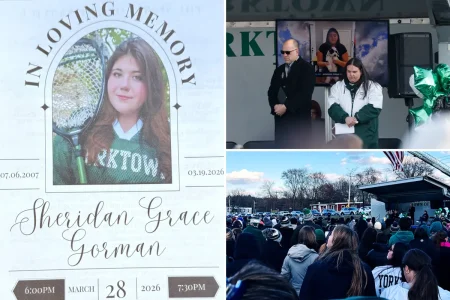
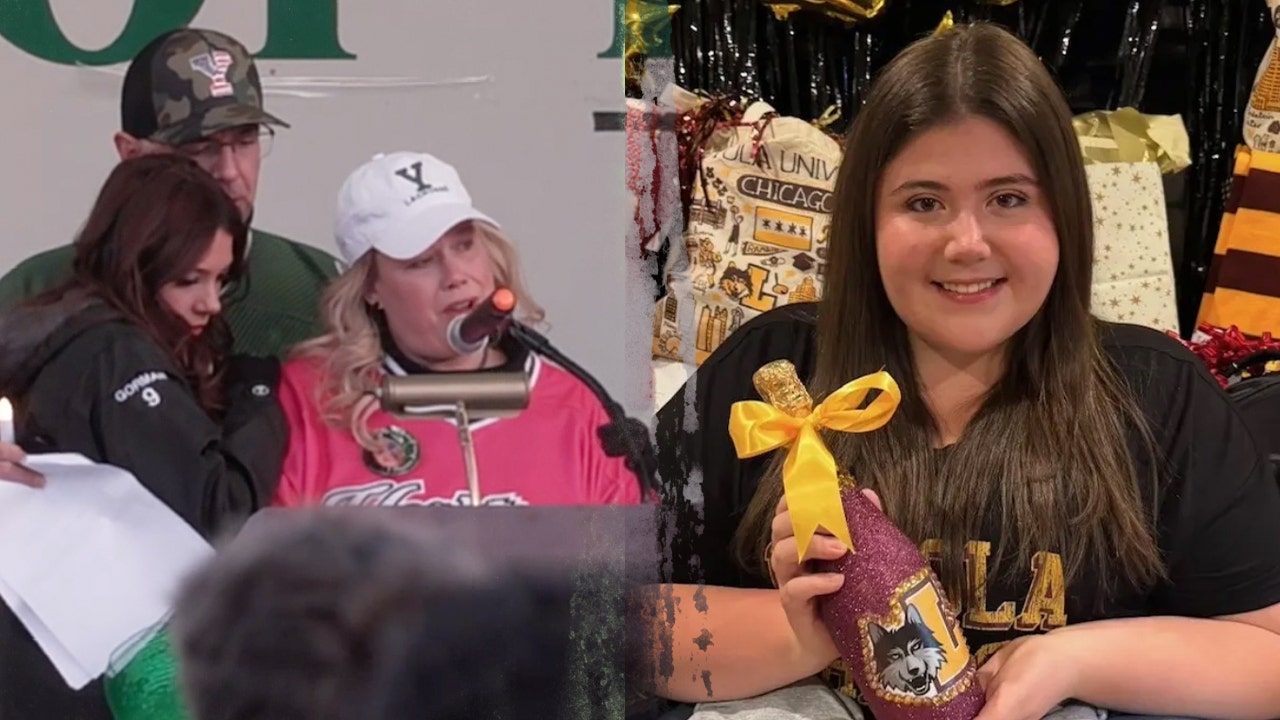
In the quiet suburban town of Yorktown Heights, New York, a community gathered on a somber Saturday evening for a vigil that felt like a collective embrace of grief and resolve. At the center stood Jessica Gorman, a mother whose world had shattered just days earlier with the unthinkable news of her 18-year-old daughter Sheridan’s death. Sheridan, a bright-eyed freshman at Loyola University Chicago, had been full of promise—a New York native who loved exploring the city’s vibrant streets and dreaming of her future. But on March 19, in the early hours near Chicago’s Rogers Park pier, her life was abruptly ended in a sudden, violent act. Jessica, her voice trembling yet fortified with unyielding strength, addressed the crowd, her words a raw testament to a parent’s deepest anguish. “I want to say this gently, but honestly, as a mom. I’m angry,” she shared, her eyes glistening with unshed tears. That anger wasn’t just personal; it was a flame kindled by heartbreak over the innocence lost and the dreams extinguished far too soon. In her emotional remarks, Jessica humanized the tragedy, reminding everyone that Sheridan wasn’t just a statistic—she was a daughter who texted her mom good morning, laughed at inside jokes, and called home excited about her latest adventures. As a mother myself, I can imagine the gut-wrenching pain of holding onto memories of ticking off milestones: Sheridan’s first day of college, her beaming smile in photos from the Loyola campus, now relics of a life cut short mere months from her freshman year wrap-up. Jessica’s vow to “fight for justice” resonated like a battle cry, not born of vengence but of a profound need to ensure no other parent endures this divide between ordinary joys and cruel fate. The vigil, with its flickering candles and soft murmurs, became a space where shared sorrow transformed into collective purpose, illustrating how one family’s devastation could echo the fears of countless others.
The Details of a Preventable Tragedy
Diving deeper into the events that led to Sheridan’s death, the scene unfolds as a stark reminder of everyday dangers that can lurk in familiar places. Authorities described the attack as swift and merciless: around 1:06 a.m. on that fateful March night, Sheridan was with friends, probably sharing laughs and stories as young adults do, when a shot rang out near the pier in Rogers Park. The suspect, Jose Medina-Medina, a 25-year-old from Venezuela, allegedly pulled the trigger, ending her life in an instant. Medina-Medina’s presence in the U.S. adds layers of complexity and heartbreak to the story. According to the Department of Homeland Security, he was apprehended by U.S. Border Patrol on May 9, 2023, and released under policies from the current administration—a decision that fuels ongoing debates about immigration and public safety. Picture the image: a young man, perhaps fleeing hardships in his home country, enters the U.S. in search of opportunity, only for his path to collide tragically with Sheridan’s. As someone who understands the human desire for security and belonging, it’s devastating to think of the chain of events— boardings, release, and then this violent eruption—that could have been intercepted. Medina-Medina now faces serious charges, including first-degree murder, attempted first-degree murder, aggravated assault, and unlawful possession of a gun, as detailed by FOX 32 Chicago. He appeared in court and remains in custody, a step toward accountability that offers little comfort to a grieving family. The Rogers Park area, known for its bustling diversity and proximity to Loyola’s campus, was supposed to be a safe haven for students like Sheridan. Instead, it became the backdrop for a “preventable” tragedy, reigniting contentious discussions about sanctuary cities and how policies designed to protect the vulnerable can sometimes fail to shield the innocent. Sheridan’s death wasn’t isolated; it stemmed from systemic gaps that allowed someone with a troubled past to roam freely, underscoring the fragility of safety in our interconnected world.
A Mother’s Plea for Every Child’s Safety
Standing at the podium, Jessica Gorman’s words poured out like a lifeline thrown to all parents clinging to hope in turbulent waters. She acknowledged that perspectives on the situation might differ—”not everyone” would see it the same way—but she rooted her message in what she called a universal truth, shared across divides. “At the heart of all of this, we all want the same thing—for your children and for ours to be safe, to be protected, and to come home,” she declared, her voice steady despite the emotional tide. In that moment, she humanized the broader fight, bridging partisan lines with the simple, aching reality of parenthood. I can almost hear the unspoken thoughts of mothers and fathers in the audience: late-night worries about a child’s whereabouts, the relief of a “home safe” text, the nightmares of what-ifs that now haunt Jessica every hour. Sheridan’s story evoked empathy because it’s every parent’s nightmare—sending a child off to college, confident in their resilience, only to face devastation. Jessica emphasized that this isn’t about blame games; it’s about cherishing the bonds that make us all guardians: protecting the kids who light up our lives, loving them fiercely, showing up in their highs and lows. For Jessica, honoring Sheridan means advocating for systemic changes that prioritize safety, whether through stricter immigration controls or community vigilance. It’s a reminder that beneath the headlines, there are families whose daily joys—dinners shared, embraces after wins—could be irrevocably altered. By sharing her heartbreak openly, Jessica invited others to feel the weight of loss, turning personal pain into a catalyst for unity. Her remarks echoed the sentiments of “angel parents” worldwide, those who’ve lost children to tragedies often linked to overlooked risks, pushing for a society where no one has to utter, “She was doing something entirely normal—walking near her campus with friends. She should be here,” as a harsh epitaph.
Warnings Against Complacency in the Public Discourse
Amid the vigil’s emotional tapestry, the family’s attorney, Thomas Tripodianos, stepped forward with a pointed message that cut through the sorrow like a clear-eyed call to action. He warned against growing complacency about public safety, urging the crowd not to accept this outcome even “silently.” Tripodianos humanized the issue by framing it as a collective failing: if society shrugs off such tragedies, we’re tacitly agreeing to a world where young people aren’t as safe as they deserve to be. And that, he insisted, is simply unacceptable. As I reflect on his words, I’m struck by how they mirror the quiet fears many of us harbor in an era of fast-moving dangers— from street violence to policy oversights. Sheridan’s death, in Tripodianos’ view, demands “real justice,” not just for one family but for the foundational promise that communities protect their most vulnerable. He highlighted the erosion of security in places like Chicago, where sanctuary laws, intended to foster inclusivity, sometimes complicate enforcement and leave gaps exploited by the wrong individuals. Through Tripodianos, the vigil became a platform for accountability, questioning why Medina-Medina—released into a complex system—was able to commit such an act. His speech served as a wake-up call, prompting reflections on personal responsibility: how many times do we scroll past news of similar incidents, assuming “it won’t happen here”? By addressing the audience directly, Tripodianos made the abstract real, turning statistical debates into urgent, human imperatives. Justice for Sheridan means examining immigration reforms, enhancing local law enforcement, and rejecting apathy that lets tragedies like hers become commonplace. In essence, his advocacy honored her memory by igniting a dialogue on systemic reforms, ensuring that complacency doesn’t bury the need for proactive, compassionate change.
Cherished Memories and Community Grief
As the vigil progressed, the atmosphere softened with shared memories, transforming the event into a heartfelt tribute that underscored Sheridan’s vibrant spirit and enduring impact. Family members and friends recounted stories that painted a picture of a young woman whose kindness radiated outwardly. Her Loyola University Chicago peers remembered her infectious laughter during late-night study sessions, her supportive presence at campus events, and her unwavering optimism. Steven Betancourt, director of campus ministry, spoke poignantly: “Sheridan, you are deeply loved at Loyola. You are deeply missed, and you will live on in the lives you touched and forever changed.” These words, spoken amidst sobs and embraces, humanized the loss by celebrating the intangibles— the way Sheridan made others feel seen, valued, and inspired. I envision her as the friend who cheered during exhilarating moments, like a first college victory or a quiet chat over coffee, fostering connections that bound the community tighter. Her short time at Loyola was marked by growth: adapting to city life, forming lifelong bonds, and embracing new passions. Now, those memories serve as beacons, reminding us how one life can ripple through countless others. The community’s grief was palpable, a mosaic of tributes that highlighted Sheridan’s capacity for empathy—she volunteered, mentored, and lifted spirits in ways that made her absence a deafening void. In grieving her, attendees honored the universal ache of missing loved ones, turning sorrow into stories that keep her spirit alive. Through these shared anecdotes, the vigil evolved into a communal healing space, where laughter mingled with tears, affirming that Sheridan’s legacy lies in the love she instilled, teaching us to cherish every moment and person in our orbits.
Accountability and a Path Forward for Justice
In the closing reflections of the vigil, the Gorman family directed sharp criticism toward local leaders, demanding accountability that echoes the frustrations of many affected by systemic shortcomings. They pointed fingers at Chicago Mayor Brandon Johnson and Illinois Gov. JB Pritzker, arguing that Sheridan’s death exposes failures in governance and policy. “She was doing something entirely normal—walking near her campus with friends. She should be here,” the family stated, their words a poignant indictment of complacency among officials who oversee sanctuary laws. This critique humanizes the tragedy by linking it to broader debates on public safety, immigration enforcement, and city protections. As someone engaged in these conversations, I see how Sheridan’s case reignites the “sanctuary city fight,” where well-intentioned policies can inadvertently create vulnerabilities. The family insists on change, advocating for reforms that prioritize citizen welfare without sacrificing compassion. Medina-Medina’s legal proceedings, with charges like first-degree murder looming, offer a glimmer of justice, yet the Gormans’ fight extends beyond the courtroom—to legislative halls and public discourse. By speaking out, they empower other “angel parents,” drawing parallels to tragedies like the Angel family’s confrontation in Senate hearings over their daughter’s death. This movement seeks to protect all children, pushing for accountability that ensures tragedies like Sheridan’s prompt meaningful action. Ultimately, the Gorman family’s resolve inspires empathy and urgency: honoring Sheridan means striving for a safer world, where policies protect the innocent and justice prevails, healing collective wounds one vigilant step at a time. Through their advocacy, Sheridan’s story becomes a catalyst for enduring change, reminding us that loss, when met with courage, can forge a path to brighter, safer tomorrows for every family.