


Off-Duty NYPD Officer Robbed at Knifepoint in Brooklyn
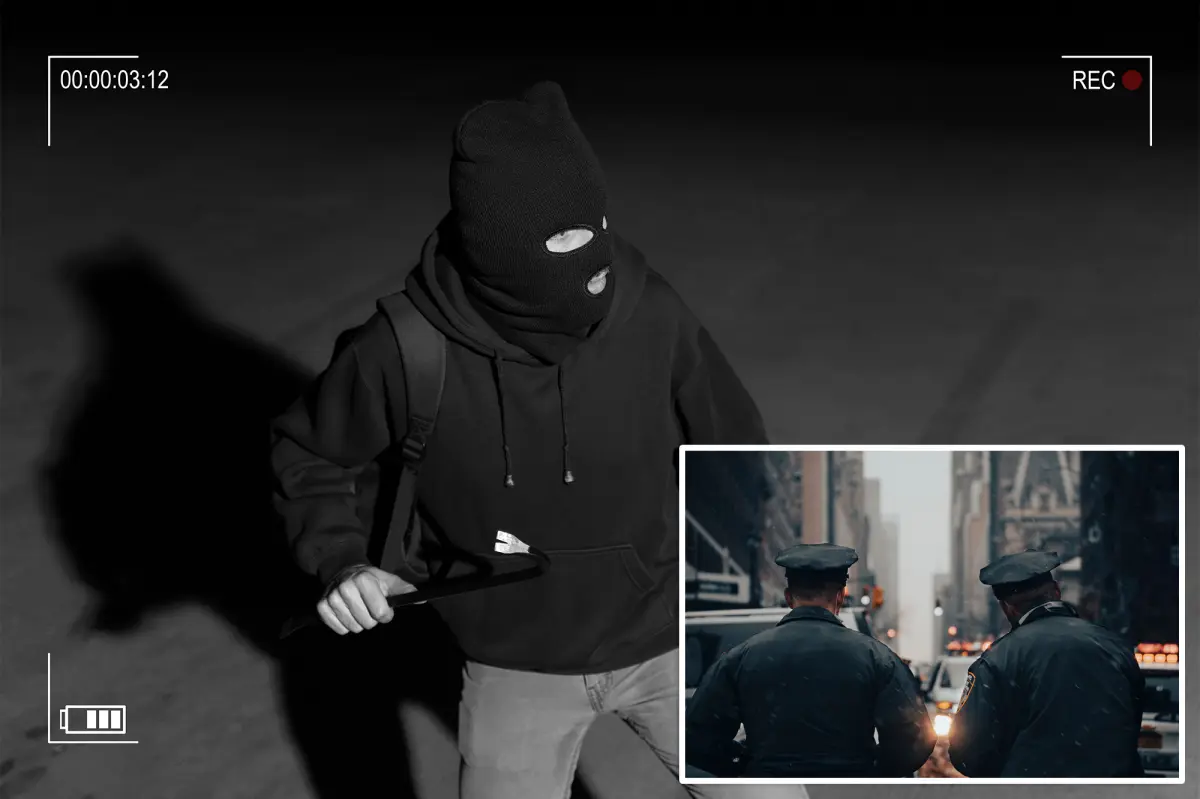
In the quiet early hours of Thursday morning, a startling crime unfolded on the streets of Williamsburg, Brooklyn. At approximately 2:20 a.m., a 31-year-old off-duty NYPD officer found himself the victim of an armed robbery at the intersection of Metropolitan Avenue and Leonard Street. The assailant, dressed entirely in black and concealing his identity with a ski mask, approached the officer while brandishing a knife. In those tense moments, the officer, likely trained to handle dangerous situations but now vulnerable while off-duty, surrendered his car keys, wallet, and phone to the threatening figure before him. The incident serves as a sobering reminder that even those who protect our communities are not immune to becoming victims themselves when circumstances align unfavorably.
The neighborhood where this robbery occurred represents a typical Brooklyn landscape – a mixed residential and commercial area that normally balances urban energy with community comfort. Metropolitan Avenue and Leonard Street, like many Williamsburg intersections, typically hosts a blend of apartment buildings, small businesses, and the occasional late-night establishment. During daylight hours, these streets buzz with the activity of residents going about their daily routines, shopkeepers welcoming customers, and delivery workers navigating between destinations. By night, especially in the early morning hours when this incident occurred, these same streets transform into quieter, more vulnerable spaces. The 2:20 a.m. timing of the robbery highlights that urban vulnerability when foot traffic diminishes and the protective presence of crowds dissipates, leaving even trained law enforcement officers susceptible to crime when they’re not on active duty.
What makes this incident particularly disturbing is the bold targeting of a law enforcement officer, even if the perpetrator may not have known the victim’s profession. The robber’s methodical approach – wearing concealing clothing, wielding a weapon, and quickly taking valuable personal items – demonstrates the calculated nature of street robberies that plague urban areas. Though the officer was physically unharmed during the encounter, the psychological impact of such violations can linger long after the immediate danger has passed. For someone trained to protect others, becoming a victim can create a complex emotional aftermath that balances professional perspective with personal trauma. This officer now joins countless New Yorkers who have experienced the jarring reality of street crime – a shared vulnerability that transcends occupation, age, or background.
Hours after the incident, police reported that the suspect remained at large, highlighting the challenging nature of apprehending individuals who commit quick street robberies in the early morning hours. The investigation likely includes reviewing any available surveillance footage from nearby businesses or residential buildings, canvassing for potential witnesses, and examining the stolen phone for possible tracking information. The description of the perpetrator – dressed in all black with a ski mask – unfortunately matches the typical disguise used by many urban robbers, making identification particularly challenging. These types of crimes create particular frustration for law enforcement as they represent both a practical investigation challenge and, in this case, a personal affront to the police community when one of their own becomes a victim.
The broader context of this incident reflects ongoing concerns about street crime in New York City, particularly robberies and property crimes that have fluctuated in frequency throughout different neighborhoods. Williamsburg, like many Brooklyn neighborhoods, has experienced significant gentrification over recent decades, transforming from an industrial and working-class area to a trendy district with high-end apartments alongside longstanding communities. This evolution has created economic contrasts that sometimes manifest in property crimes. While overall crime statistics tell one story, individual incidents like this one create the narrative that shapes how residents perceive safety in their neighborhoods. For residents of this particular Williamsburg block, news of an armed robbery – especially one targeting a police officer – may heighten concerns about venturing out during late hours or taking additional security precautions.
This incident ultimately reminds us of the universal human vulnerability we all share, regardless of profession or training. The off-duty officer, stripped temporarily of their badge, gun, and the authority that comes with being on-duty, became simply another person navigating urban spaces with the same risks as any other citizen. While the physical items taken – keys, wallet, phone – represent practical inconveniences that require canceling cards, changing locks, and replacing devices, the sense of personal security that was stolen proves more difficult to restore. As the investigation continues and the officer returns to duty with this fresh perspective on victimization, the incident serves as a potent reminder that community safety requires vigilance from both law enforcement and citizens alike, particularly during those vulnerable early morning hours when the city sleeps and only a few remain awake to witness the occasional darker moments of urban life.