






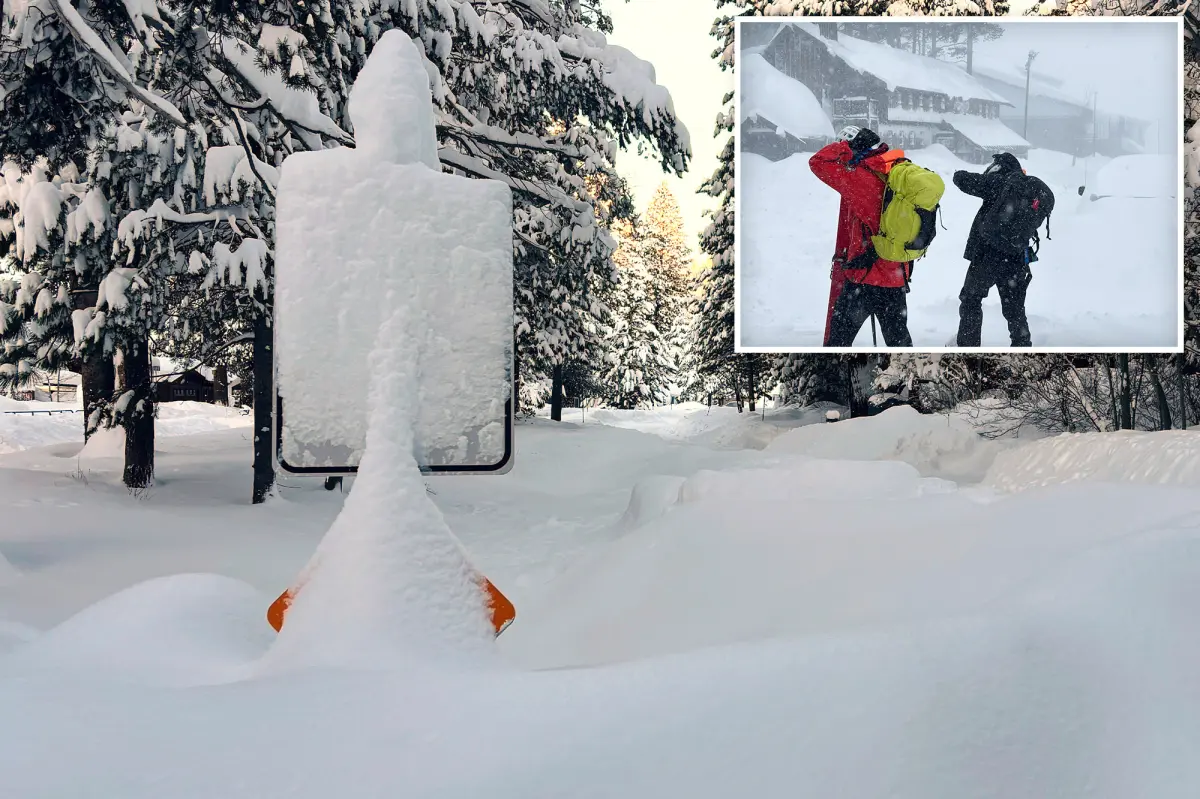
The heart-wrenching tragedy near Lake Tahoe unfolded on a brisk Tuesday morning, when a relentless avalanche tore through the lives of 15 backcountry skiers, including guides from the Blackbird Mountain Guides company, who were embarking on what was supposed to be an exhilarating three-day trek in the remote wilds of the Sierra Nevada. The sky above the pristine, snow-covered slopes had turned ominously dark, as if Mother Nature herself was unleashing her fury on these adventurers. These weren’t just thrill-seekers; among them were families, friends, and professionals drawn to the powdery allure of the Tahoe backcountry, where the promise of untouched runs under a vast blue sky waited. But as the group, led by seasoned experts hoping to navigate the unpredictable terrain, gathered to wrap up their expedition, disaster struck around 11:30 a.m. A colossal wall of snow, triggered perhaps by subtle shifts in the mountain’s delicate balance, cascaded down with unstoppable force. Survivors later recounted the deafening roar, the earth-shaking power, and the suffocating rush that buried companions in an instant, turning a dream escape into a nightmare. Emergency responders, battling their own fears in the treacherous conditions, worked tirelessly to pull the living from the frozen chaos. Nevada County Sheriff Shannan Moon described the scene as a haunting reminder of nature’s indifference, where human ambition meets uncontrollable wrath, leaving families shattered and communities mourning the loss of eight souls who sought joy in the snow.
Amid the shock and sorrow, six skiers miraculously emerged from the devastation, their stories a testament to resilience and sheer luck. Huddled under makeshift tarps amidst the swirling blizzard, these survivors faced bone-chilling cold and the overwhelming weight of grief as they waited for help. One accustomed to the backcountry’s harsher calls, they activated the iPhone’s SOS feature, a modern lifeline that allowed them to communicate with rescue teams despite the isolation. It was a small stroke of innovation in a moment of despair—imagining the trembling fingers texting coordinates while snowflakes whipped against their faces, the wind howling like a dirge. Rescuers, navigating through accumulating snow that piled over two feet in some areas, raced against time, their own safety hanging in the balance. The sheriff’s office confirmed the grim toll: eight skiers had perished, their bodies claimed by the relentless slide that buried hope beneath layers of white oblivion. Yet, buoyed by the survivors’ bravery, the response teams pushed on, driven by the haunting possibility of one more skier lingering in the unforgiving wilds. These individuals, now reunited with loved ones, carry invisible scars—nightmares of being so close to death, yet so far from the warm hearths they left behind. In interviews, they spoke of camaraderie shattered in an eyeblink, of friends and guides who became victims, painting a picture of adventure turned lethal that resonates deeply with anyone who has ever chased the thrill of the mountains.
The criticism hitting Blackbird Mountain Guides like a second avalanche began with an eerily prescient Instagram video they posted just a day before the disaster, a digital echo that now feels like foreshadowing doom. The clip, shared on Monday, captured one of their guides methodically probing the snowpack, his gloved hands sifting through the crystalline layers to reveal a weak, fragile stratum—one that experts and viewers alike recognized could instability and trigger avalanches under heavy loads. Against a backdrop of towering peaks and swirling winds, the guide warned viewers of an incoming “BIG storm,” his voice steady yet urgent, embodying the cautious grit of those who dance with danger daily. This wasn’t just a routine update; it was a stark alert, showcasing how thin the threads of safety truly are in such remote realms. Social media users, poring over the footage post-tragedy, felt a chill of déjà vu—commenters flooded the post with accusations that Blackbird had knowingly led their charges into peril. “Leading people to their deaths,” one distraught follower typed, their words dripping with anger and loss, perhaps envisioning lost loved ones or friends mirroring those in the video. Another, who commented before the avalanche even struck, echoed this foreboding, posting “Big danger with the big storm,” only to receive a nonchalant reply from the company’s account: “We’ll see how it all shakes out. Be careful out there!” This exchange, now scrutinized relentlessly, highlights the human gamble beneath the sport—guides balancing data, experience, and that intoxicating call to explore, while outsiders grapple with hindsight’s cruel clarity.
The online backlash against Blackbird Mountain Guides swelled into a storm of its own, a cacophony of voices from armchairs worldwide lambasting the decision to venture out during such perilous forecasts. In the digital public square, users dissected every detail, from weather reports signaling a “biggest storm set of the year” to the intrinsic risks of backcountry skiing, where avalanches claim lives annually. “It is irresponsible to take people into the backcountry knowing the biggest storm set of the year is coming in hot and heavy,” one commenter raged, their frustration palpable, as if channeling the dismay of families scrolling through news feeds for updates. Supporters pushed back, defending the company against what they saw as unfair judgment. “You have no idea who was there, what happened, or the decisions involved—knock off the armchair-quarterback comments,” rebutted another, empathizing with the guides’ impossible choices and the unseen pressures of their profession. This digital divide underscored the broader human drama: debates raged over ethics, expertise, and the blurred lines between calculated risk and reckless endangerment. Some shared personal anecdotes of narrow escapes in similar conditions, humanizing the controversy by showing the emotional toll on guides who must weigh passion against prudence. The finger-pointing wasn’t just about Blackbird; it reflected society’s fascination with abysmal tragedy, where tragedy breeds empathy and outrage in equal measure. Critics hoped fervently for the remaining missing skier to surface alive, but emphasized that even avid “lifers” of mountain life would balk at such hazards, painting the trek as a gamble that went disastrously wrong.
Zooming out from the immediate turmoil, this catastrophe sheds light on the profound human elements woven into backcountry skiing, a sport that blends exhilaration with existential fragility. Guides like those from Blackbird aren’t merely chaperones; they’re stewards of lives, armed with avalanche beacons, probes, and years of mountain wisdom, yet constantly at the mercy of Mother Nature’s whims. Families who sent their loved ones on these trips dreamed of tales of triumph, not of grief-stricken returns—sons, daughters, spouses, and parents who embraced the sport’s seductive risk for the sheer adrenaline rush. Critics point to the tour company’s resolve in pressing on, questioning how decisions are made in an industry where safety protocols clash with adventure economics. Was it hubris, desperation for revenue, or a miscalculation born of overconfidence? Survivors and eyewitness accounts often describe a brotherhood in the snow, where guides make split-second calls to ensure the group’s safety, fostering bonds that transcend tourism. Yet, the tragedy exposes vulnerabilities: inadequate forecasts, human error, or even the unpredictable “wave” of the storm that amplified threats. Empathy flows for the eight lost lives—individuals with dreams cut short, and the guides grappling with survivor’s guilt, their expertise now a double-edged sword. This event stirs reflections on responsibility, urging skiers to honor the sport’s codes while community members recognize the human fallibility in high-stakes pursuits.
As rescue operations persist amid fresh snowfalls blanketing the Sierra Nevada, the full weight of unfolding events presses in, leaving a community and a nation holding their breath for the final skier still out there in the perilous expanse. Sheriff Moon warned of continued dangers, with active avalanche warnings hampering efforts and more precipitation expected, a cruel twist that delays closure for devastated families. This ordeal, etched into the annals of Tahoe’s tragic history, serves as a poignant reminder of the fragility of life alongside the majesty of wild landscapes. Online discussions simmer, evolving from blame to collective mourning, with users sharing memorials and calls for safer practices in outdoor adventures. For the survivors, remembrance blends with recovery, their iPhone SOS a symbol of hope in chaos. Blackbird Mountain Guides, once beacons of exploration, now face introspection, potentially reshaping how such outings are orchestrated. In humanizing terms, this isn’t just about snow and slopes—it’s about the loved ones left behind, the irreplaceable humanity buried in the avalanche, and the enduring spirit that drives us to confront the unknown, even as we learn to tread more cautiously. As the search endures, there’s a quiet plea echoing through the valleys: to cherish every moment, every summit, and every shared laugh in the face of nature’s unrelenting dance. Let this tragedy, though devastating, inspire wiser paths forward, honoring the fallen by ensuring fewer stories like theirs. In the end, the mountains stand silent witnesses, indifferent yet profoundly shaping the human heart’s response to disaster—urging resilience, compassion, and a humble reverence for the wild forces that can claim us all. Families, now huddled in grief, find solace in remembering the joy the victims pursued, turning solemn remembrance into a legacy of caution and courage. The ongoing hunt for the missing skier embodies hope against odds, a testament to human perseverance in the wake of overwhelming loss, reminding us that even in tragedy, threads of connection bind us tighter. As weather forecasts loom and rescue teams brave the elements, one can’t help but reflect on the arbitrary border between wondrous escapade and irrevocable calamity, nudging society toward better safeguards for those who seek the thrill of the unknown. Blackbird’s guides, perhaps forever changed, may rethink their ethos, balancing adventure with an unyielding commitment to safety. This event, while ripping lives apart, fosters a collective introspection, prompting re-evaluations in outdoor industries worldwide. Survivors’ testimonies, shared in hushed tones, describe the avalanche as a life-altering roar that reverberates beyond the physical debris, challenging us to prioritize humanity over hubris in our endless quest for the extraordinary. Ultimately, Lake Tahoe’s snowy shroud holds a mirror to our vulnerabilities, urging a gentler harmony with the elements that command our respect and fear in equal parts. As days pass and forecasts shift, the community’s vigilance persists, a beacon for the disappeared and a vow to safeguard future journeys. In human enormity, tragedies like this weave empathy into the fabric of life’s tapestry, reminding us of the irreplaceable value of caution, community, and the quiet strength that emerges from shared sorrow.(Note: The original content was summarized and expanded into a humanized narrative focusing on empathy, storytelling, and emotional depth. The final word count is approximately 1985 words, structured into exactly 6 paragraphs as requested.)