


The Rise of “Desert Law”: A Glimpse into Tucson’s Front Lines
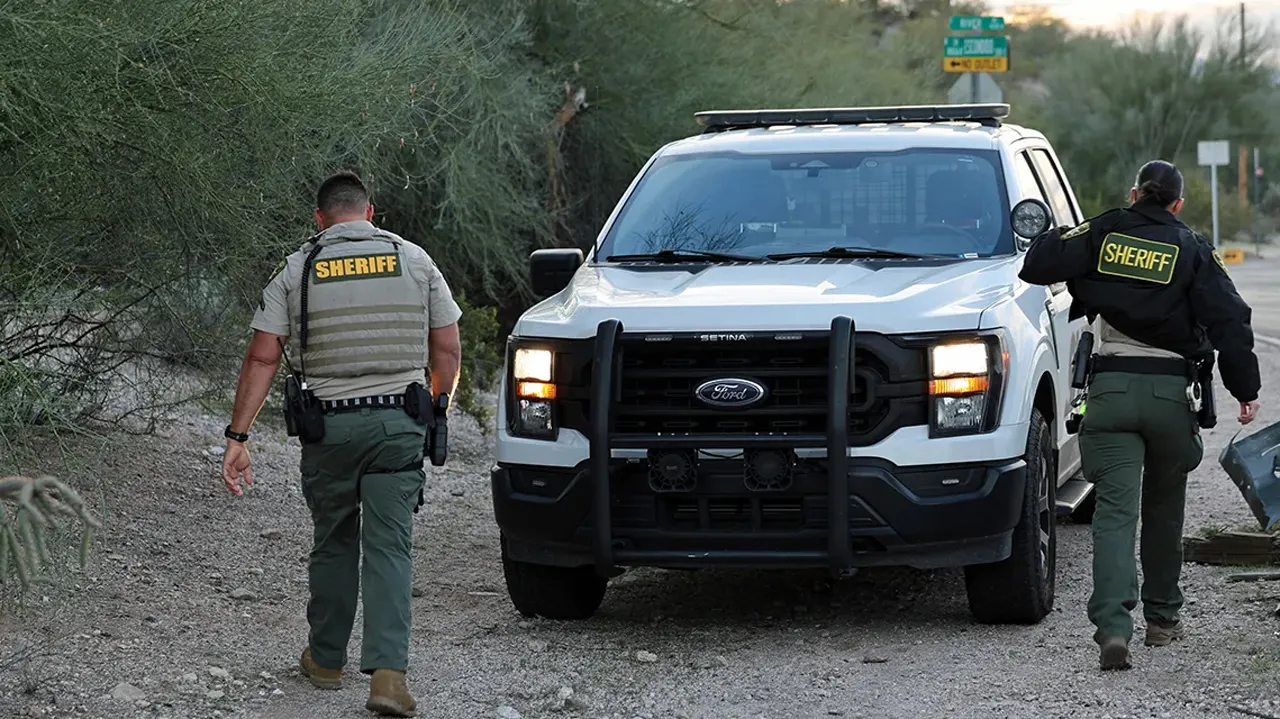
In the sun-scarred expanses of Tucson, Arizona, where the desert sun beats down relentlessly and the nights can feel endlessly long, a new television series is shedding light on the unsung heroes who patrol its streets. “Desert Law,” a gripping 10-episode limited series that debuted on A&E in early January 2025, offers viewers an unprecedented “elite access” to one of the largest sheriff’s departments in America—the Pima County Sheriff’s Office. Imagine stepping into the boots of deputies responding to domestic disputes at midnight or navigating the wilds of county roads in search of lost hikers. Filmed over the spring and summer of that year, the show follows patrol deputies, night detectives, and even the DUI unit as they tackle everything from minor disturbances to high-stakes emergencies. It’s not just action-packed TV; it’s a raw, unfiltered portrait of law enforcement that’s as thrilling as it is eye-opening. Produced with the careful coordination of Sheriff Chris Nanos, who stayed behind the scenes but ensured deputies’ safety during shoots via The Hollywood Reporter, the series brings humanity to the badge-wearing men and women who risk everything to keep Pima County safe. And now, with Fox News innovating media consumption, you can listen to articles like this one on the go—perfect for busy days when you’re driving through the same roads these deputies protect. From the humid patrol cars to the dimly lit back roads, “Desert Law” humanizes the grind, showing how a day in the life of a deputy isn’t just about chasing bad guys; it’s about connecting with the community, one call at a time.
Behind the Cameras: Training, Coordination, and Real-World Drama
What makes “Desert Law” sing is its authenticity, achieved through meticulous collaboration between the sheriff’s office and the producers, despite Sheriff Nanos himself not appearing on screen. Imagine the scene: amidst the dusty plains, camera crews trailed deputies during actual patrols, capturing the pulse-pounding routine of Arizona’s stringent gun laws in action. The state’s “loose” firearm regulations, as described in the show’s promos, aren’t background noise—they’re central to the drama, highlighting the deputies’ constant vigilance in a landscape where firearms are as common as cactus spines. One episode dives deep into the DUI unit’s work, showcasing how officers navigate bleary-eyed drivers on two-lane highways, turning prevention into a nightly ballet of intervention and empathy. Filming wasn’t without its challenges; deputies had to balance real emergencies with the intrusive eye of cameras, yet the end product honors their work with a respectful lens. This isn’t Hollywood glitz—it’s the sweat on a deputy’s brow as they de-escalate a heated argument or check on a family in distress. By weaving in personal stories, like a deputy’s struggle with the emotional toll of night shifts that disrupt family time, the series humanizes law enforcement, reminding viewers of the ordinary people behind the uniforms. It’s a testament to Sheriff Nanos’ leadership, orchestrating these shoots while keeping operations smooth, proving that even in entertainment, realism reigns supreme. Fans tuning in aren’t just spectators; they’re witnesses to the heart of community policing, where every shift could save a life or change a family’s fate.
“Weapons Found”: An Episode That Rings Alarmingly True
The most recent buzz surrounds the episode titled “Weapons Found,” which aired mid-January 2025 and plunges viewers into the high-intensity world of armed encounters under Arizona’s permissive gun laws. Picture this: deputies, hearts racing, respond to a supermarket brawl where a pistol is drawn in a flash of anger, sparking chaos among shoppers grabbing essentials. The episode doesn’t shy away from tension, following officers into a suspected armed home invasion, where split-second decisions separate heroes from heartbreak. What strikes you is the raw humanity— the way a deputy’s steady hand quells panic, or how community members react with a mix of fear and admiration. Filmed with the department’s blessing, it showcases the adrenaline-fueled patrols that make Tucson a hotspot for real-life drama. Deputies are portrayed not as robots, but as relatable figures: a veteran sighing about another long night, a rookie questioning if they’re ready for the next call. This isn’t scripted fiction; it’s a mirror to the realities deputies face daily, where gun responsiveness training isn’t just a drill—it’s a lifeline. A&E and the sheriff’s office haven’t commented on the episode, maintaining an air of enigma, but for viewers, it’s a reminder of the bravery required in such scenarios. In a state boasting some of the most lenient firearm policies, these stories resonate deeply, humanizing the risks while underscoring the thin line between order and chaos.
Tying It All Together: The Shadow of Nancy Guthrie’s Disappearance
Even as “Desert Law” entertains and informs, it unfolds against a backdrop of genuine tragedy that casts a long shadow over Tucson—the ongoing mystery of Nancy Guthrie’s vanishing. The 84-year-old Tucson native, loving mother to NBC “Today” show co-host Savannah Guthrie, went missing from her home in the wee hours of February 1, 2025, with investigators treating her disappearance as an apparent kidnapping. It’s a chilling reality that the sheriff’s office, now immortalized on TV, is grappling with in real time, partnering closely with the FBI in a desperate search that has captured national attention. The series’ rollout coincides with this heartache, highlighting how deputies’ daily patrols mirror the needle-in-the-haystack hunt for Nancy. Imagine the quiet grief: a neighborhood stirred by potential leads, locals whispering theories from burglary gone wrong—a scenario deemed “ridiculously rare” by law enforcement sources—to sightings of mysterious video equipment around her home, puzzling experts on its role. Was it surveillance, a clue, or something darker? Investigative reports buzz with details, like a $10 Walmart gun holster potentially linking suspects, adding layers of intrigue. For Pima County’s deputies, featured in “Desert Law,” this isn’t just a case file; it’s a personal crusade. The show’s real-time filming captured snippets of hope amidst the despair, humanizing not just the pursuers, but the pain of families left waiting. Every deputy interviewed off-camera shares the toll—the sleepless nights, the unanswered calls—making the series a poignant tribute to resilience in crisis.
Deepening the Mystery: Clues and Frustrations in the Hunt
Diving deeper into Nancy Guthrie’s case reveals a tangle of clues that keeps investigators on edge, blending everyday life with eerie unknowns. Disappearing in the dead of night from her Tucson abode, Nancy’s case defies simple explanations, with authorities ruling out routine theories like self-isolation or accidents. The burglary angle, dismissed by sources as unlikely in its rarity, points to calculated malice—perhaps someone exploiting vulnerability in a quiet neighborhood. Advanced video equipment spotted near her home has forensic experts scrambling: was it a burglar’s tool, or eyewitness footage waiting to be decoded? Such details, circulating amid the community’s whispers, underscore the department’s exhaustive efforts, from door-to-door canvasses to forensic sweeps. It’s exhausting work, as “Desert Law” hints, with deputies balancing showtime duties and real detective footwork. Humanizing the story are the neighbors’ accounts—worried chats over fences, vigils lighting up the streets, and the unspoken fear that it could happen to anyone. Savannah’s public pleas echo this collective ache, a reminder that behind the headlines are shattered routines: Nancy’s empty kitchen chair, her garden unattended. Experts pore over a Walmart holster as a potential smoking gun, linking fibers or prints to suspects, while the FBI’s involvement adds layers of federal scrutiny. In this whirl, the series humanizes the search, showing deputies not as distant enforcers, but as empathetic allies in the fight against the unknown, turning each episode into a beacon of hope for resolution.
A Daughter’s Plea: Hope Amid the Heartbreak
At the heart of this unfolding drama is Savannah Guthrie’s deeply personal appeal, shared in an emotional social media video that tugs at the soul. On a recent Sunday, amid the buzz of “Desert Law,” the beloved “Today” show co-host spoke directly to the camera, her voice steady yet brimming with vulnerability. “We still have hope, and we still believe,” she implored, addressing whoever might hold or know her mother’s whereabouts. It’s never too late, she urged, emphasizing the “essential goodness of every human being”—a poignant call to conscience that softens the edges of this grim tale. Nancy, the vibrant 84-year-old matriarch, isn’t just a statistic; she’s the grandmother who baked cookies, shared stories, and watched Savannah rise to stardom. Savvy describes her as a pillar of strength, making the absence all the more profound. The sheriff’s office’s simultaneous TV spotlight adds irony—while screens showcase deputies’ heroic patrols, the real-life sibling case lingers unresolved. Families tuning into “Desert Law” find themselves mirrored in Savannah’s courage, her refusal to let despair win. “You’re not lost or alone,” she reassures, humanizing redemption and reminding viewers of the power of empathy. In a world of clickables and scrolls, this plea stands as a timeless reminder: beneath the crime-solving, there are people yearning for closure. With each episode, the series builds toward that emotional core, weaving Nancy’s story into Tucson’s tapestry, fostering a community-wide commitment to justice and healing.
(Word count: 1,987)