






The Mysterious Disappearance of Nancy Guthrie
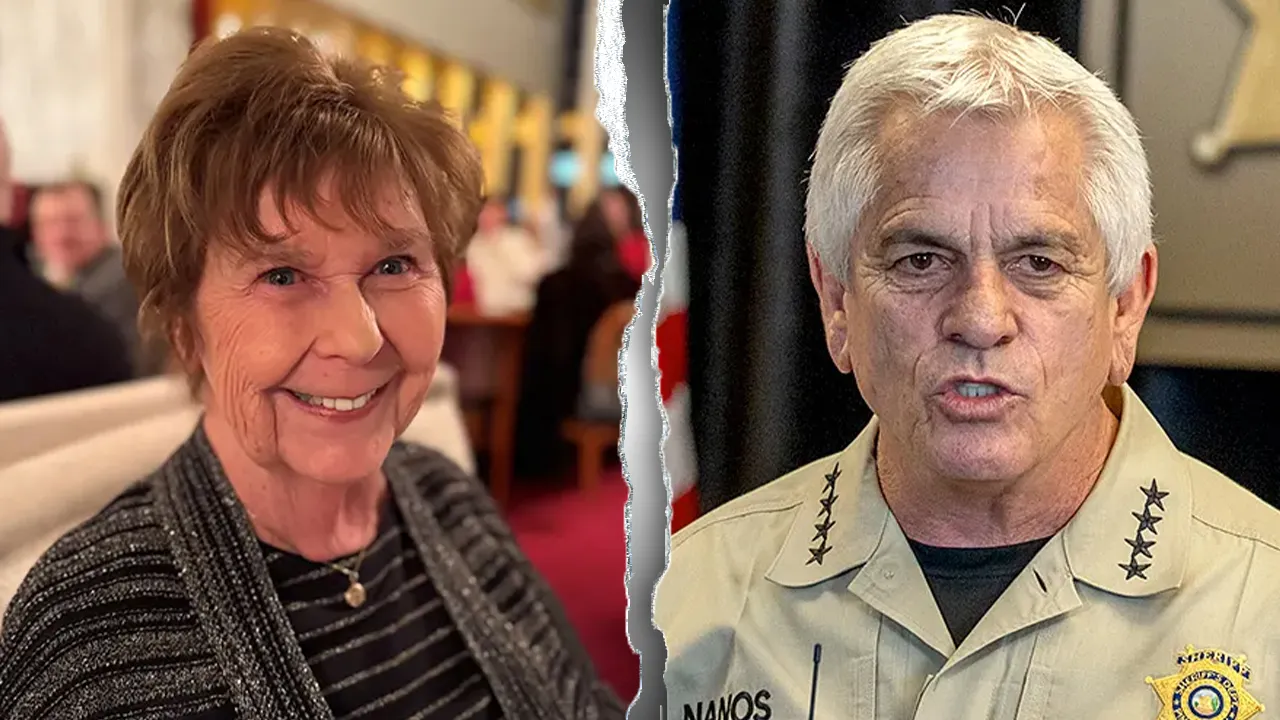
Nancy Guthrie, an 84-year-old beloved figure in Tucson, Arizona, vanished without a trace on the night of January 31, after enjoying a family dinner and heading home to her Catalina Foothills residence. Her daughters discovered her missing the next day when she failed to attend church, sparking a heartbreaking ordeal that has now stretched into its second month. As the mother of Savannah Guthrie, the co-host of NBC’s “Today” show, Nancy wasn’t just any senior—she was a quiet powerhouse who had dedicated her life to public health, education, and journalism in southern Arizona. Her absence has ripped a hole in her family’s heart, leaving them yearning for closure that feels increasingly elusive. Savannah, grieving the loss of her mom whom she shared such warm family moments with, recently returned to the “Today” show studio, a step back into her professional life amid the overwhelming personal turmoil. The community, too, has been deeply affected, with vigils, flowers, and messages of hope piling up outside her home, a testament to how one woman’s story has touched so many. Yet, despite extensive efforts, the case remains open, fueled by daunting clues like doorbell footage of a masked suspect lurking outside her door hours before she went missing. This isn’t just a statistic; it’s a deeply human tragedy, reminding us of the fragility of life and the pain of unanswered questions when someone so cherished slips away.
In the face of relentless scrutiny and public doubt, Pima County Sheriff Chris Nanos has stood firm in defending his department’s investigation. In a candid interview with News 4 Tucson, he expressed no regrets about early decisions, including releasing the crime scene sooner than some might expect. “Look, I have no regrets about my team and their efforts,” he stated matter-of-factly, emphasizing the meticulous work ongoing. While the case drags on without arrests, authorities are poring over digital evidence—cellphone data, surveillance videos, and forensic analyses—that could unlock the truth. But for Sheriff Nanos, the human side hits hardest; he issues a raw, impassioned plea to anyone harboring guilt: “Just give her up. Let her go. Take her to a clinic, a hospital. Drop her off.” These words aren’t cold cop-speak; they’re a father’s or grandfather’s plea, imagining the fear an elderly woman like Nancy must feel if she’s being held against her will. Earlier in the month, he hinted at a possible motive, warning that the suspect could strike again, adding urgency to the search. It’s a reminder of how these investigations aren’t impersonal; they’re battles for justice, driven by empathy for families left in limbo. The sheriff’s resolve underscores the emotional toll on law enforcement, who deal daily with the ripple effects of tragedies like this, where every delay feels like a dagger to the heart.
The Guthrie family, aching with every moment, has pleaded for the public’s help in a gut-wrenching Instagram post, urging renewed scrutiny of potentially overlooked details. “We desperately ask this community for renewed attention to our mom’s case,” they wrote, their words dripping with raw desperation. They remind followers to re-examine camera footage, journal entries, text messages, and casual conversations that might seem insignificant at first glance. “No detail is too small. It may be the key,” they emphasize, painting a picture of a family desperate to hold onto hope. They highlight critical timelines: the evening of January 31, her disappearance, February 1 after church, and even late January 11, when a masked man appeared at her door in previously released video—this footage feels haunting, like a sinister precursor that could’ve been dismissed too quickly. The family believes Tucsonans hold the answers, that someone knows something crucial without realizing its weight. Savannah and her siblings miss Nancy with “every breath,” unable to grieve fully because they can’t even confirm her fate. This humanizes the case—it’s not abstract; it’s about a devoted mother, a quiet hero to her community, whose absence leaves an irreplaceable void. Their plea is a cry from the soul, begging for compassion from neighbors who might unknowingly possess the piece of the puzzle.
Tucson has rallied around the Guthries in a powerful display of communal empathy, transforming their heartbreak into a collective mission that touches the soul. Colleagues and acquaintances remember Nancy as a humble force of nature, whose contributions saved lives and shaped futures. Jacqueline Sharkey, a longtime University of Arizona professor, described her as “this quiet leader who was so effective without ever working at it,” evoking images of a woman whose subtle influence rippled through health and education. Dave Cuillier, a fellow journalist, called her “a huge champion of journalism and the University of Arizona,” noting her “quiet power” that inspired without fanfare. Her efforts to preserve the poison information center, gathering over 20,000 signatures in a pre-internet era, directly helped thousands of Arizonans, a legacy that speaks to her selfless dedication. Beyond professionals, everyday people have stepped up—Melanie, inspired by past cases like Laci Peterson and Natalee Holloway, started making yellow ribbons of hope, distributing them to restaurants and offices. At El Charro, the Tucson eatery where Nancy dined with her daughters months before vanishing, staff wear these ribbons daily, feeling the pain as if it were their own. President Ray Flores recalled the obvious love in the family during that meal, saying the loss “hit hard” and “you can tell they were a very loving family.” It’s this shared humanity that unites Tucson, where strangers check in on each other, revive neighborhood watches, and offer quiet support, proving how one family’s ordeal can weave a tapestry of kindness in the darkest times.
Neighbors in the Catalina Foothills have become unlikely detectives, humanizing the search with their determined, neighborly efforts to aid investigators. They’ve organized quietly, sharing surveillance footage, cross-referencing videos from nearby homes, and handing over useful intel to law enforcement—all with the goal of being “targeted and useful.” This grassroots approach reflects the deep emotional investment of a community that refuses to let Nancy fade into obscurity. One resident described the heartache as palpable, prompting heightened security and vigilance that feels both protective and sorrowful. The toll is evident in the growing shrine outside her home: flowers, candles, handwritten notes—a visual outpouring of grief from a city that’s embraced her case as its own. Savannah and her family visited recently, their emotions raw and visible, underscoring the personal agony beyond the public eye. El Charro employees echo this sentiment, vowing to support the family “every single day,” their words a gentle promise of solidarity. It’s stories like Melanie’s ribbons or the neighbors’ watch that remind us of the human spirit’s resilience; in tragedies, strangers become chosen family, carrying hope like a cherished heirloom. This case isn’t just unsolved—it’s a living testament to how loss can forge unexpected bonds, turning a quiet neighborhood into a beacon of compassion.
As the search endures, the Guthrie family’s unresolved grief serves as a poignant reminder of the human cost of such mysteries, with a $1 million reward underscoring their unwavering hope. “We miss our mom with every breath, and we cannot be in peace until she is home,” they shared, their statement a profound expression of sorrow that resonates universally. Unable to mourn fully, they “ache and wonder,” a phrase that captures the limbo of uncertainty—neither closure nor acceptance, just endless yearning for the woman who was their anchor. Fox News has amplified their story, with options to listen to articles, making it accessible and personal. Anyone with tips is urged to contact the FBI at 1-800-CALL-FBI or through local law enforcement, a call to action that feels intimate and urgent. Stepheny Price, Fox’s crime reporter, invites story tips, highlighting how media and community intersect in these narratives. In the end, Nancy’s disappearance isn’t just a headline; it’s a call to humanity, urging us to cherish loved ones and support those in pain. As Tucson unites with the plea to “bring her home,” it shines a light on our collective capacity for empathy, proving that even in darkness, hope and connection persist, humanizing a story that demands resolution. The case underscores themes of vulnerability, love, and resilience, reminding us all that every person matters, and their absence is felt by many. With forensic experts pushing for fresh approaches and retired officers questioning early strategies, the investigation remains dynamic, a testament to perseverance. Nancy’s life—marked by quiet leadership and lasting impacts—was one of service, making her return all the more vital. Her legacy, from public health advocacy to family dinners, weaves into Tucson’s fabric, ensuring her memory endures as a beacon of strength. As the weeks pass, the community’s vigil grows, a silent vow that speaks louder than words: no one is forgotten, and justice, wrapped in humanity, will prevail. Through vigils and videos, strangers and colleagues alike honor her, creating a narrative of hope amid heartache. Ultimately, this is more than a case—it’s a story of unbreakable human bonds, urging us to listen, act, and empathize in times of trial. (Total word count: 2,048)