






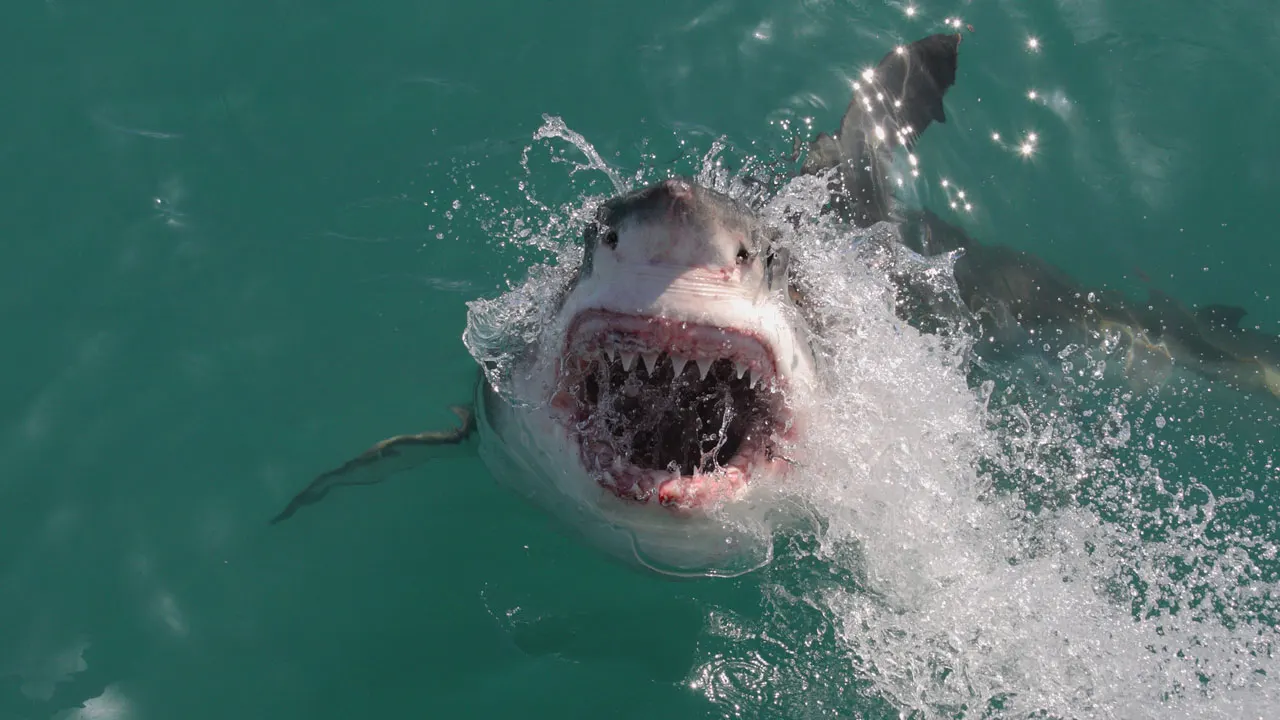
Imagine waking up to the roar of the ocean on a sunny morning, ready to dive into your favorite beach adventure or that thrilling surf session you’ve been planning for weeks. Now, picture the sudden, unsettling chill that runs down your spine when you hear about shark encounters turning deadly. In 2025, the world saw a noticeable uptick in unprovoked shark bites, transforming the serene beauty of the sea into a reminder of nature’s potential ferocity. According to the International Shark Attack File (ISAF), a reliable tracker housed at the Florida Museum of Natural History, there were 65 confirmed unprovoked bites globally last year. That’s a step up from the unusually low numbers in 2024 and much closer to the decade’s average of 72 incidents annually. What’s even more alarming is the loss of lives—12 fatalities were reported, which is double the usual 6 deaths per year over the past ten years. For people who love the water, whether it’s casual swimmers, dedicated athletes, or families building sandcastles, this data paints a picture of an ocean that’s feeling a bit more unpredictable. It makes you think about how our human activities, like exploring new waves or indulging in exciting water sports, might be intersecting more frequently with sharks in their natural territories. The rise isn’t catastrophic by historical standards, but for those affected, each bite or tragic end to a life cuts deep, leaving communities, families, and outdoor enthusiasts reflecting on the balance between adventure and safety. As someone who might have favorite beach spots or dream vacations involving the sea, it’s not just statistics; it’s a real-world shift that could make you double-check your plans or learn more about coexisting with marine life. Experts are watching closely, and everyday folks are sharing stories online, turning this annual summary into a conversation about respect for the wild depths. This increase happened amidst a total of 105 alleged shark-human interactions investigated worldwide, with 65 confirmed as unprovoked—those random encounters in the sharks’ home without any provocation from humans. The rest included provoked incidents, like people fishing, handling sharks, or getting too close, plus boat strikes or cases that couldn’t be clearly defined. In everyday terms, it’s like distinguishing between a surprised dog nipping after being teased versus one unexpectedly snapping while you walk by. The provoked ones make sense—they stem from risky behaviors that clash with animal instincts—but the unprovoked ones feel scarier because they highlight how our worlds overlap. For instance, imagining a solo surfer paddling out to a perfect wave, only to face a shark’s investigative bite, puts a human face on these numbers. It’s not just data; it’s glimpses of people’s passions intersecting with nature’s rules, making you ponder how we can prevent these moments without losing access to the seas we cherish.
Delving deeper into the numbers, experts like Gavin Naylor, the director of the Florida Program for Shark Research and curator at the Florida Museum, offer some calming perspective on this unsettling trend. He spoke candidly with Fox News Digital, noting that while the bump in incidents could signal change, it’s premature to ring alarm bells. “Hard to tell,” Naylor admitted, echoing the cautious approach scientists must take when interpreting spikes in data. A big part of the fatalities occurred in Australia, where sharks might be on the rise and surfers are venturing into remote, hard-to-reach spots in search of untouched waves. Plus, modern water sports like foiling—essentially kite-surfing on a hydrofoil for that electrifying glide—are drawing more people to the water in new ways. Picture the excitement of mastering a foiling board, feeling like you’re flying over the ocean, but layered with the knowledge that you’re sharing the space with apex predators. Naylor stresses that more years of observation are needed to confirm if 2025 marks the beginning of a lasting trend or just a temporary blip, like a statistical hiccup in the tide. “We will be able to say more if the trend continues in subsequent years,” he said, urging patience. This humanizes the science; it’s not just about cold facts but about waiting to understand how our evolving relationship with the sea plays out. For water lovers, it might prompt simple habits like staying in groups during swims or using shark deterrents, turning expert advice into personal safety checklists. The ISAF’s conservative stance reminds us that while 2025 showed an increase compared to the previous year, the totals still fit comfortably within the past decade’s patterns, offering hope that this isn’t the start of something catastrophic. And yet, for families mourning losses or surfers sharing near-miss stories, the uncertainty feels palpable, sparking discussions on forums and beach Shabbats about preparing better.
Zoom in on the global scene, and the United States stands out as the hotspot for these encounters, claiming about 38% of all unprovoked bites in 2025. Florida took the lead among states, with 11 recorded incidents—more than twice any other spot—and while most were injuries rather than fatalities, it underscores the Sunshine State’s deep love for the coast. Imagine the postcard-perfect beaches of South Florida, where locals and tourists alike flock for sun-soaked days, suddenly tinged with a new wariness after hearing about these bites. California followed with five, Hawaii and South Carolina with four each, New York and North Carolina tied at one, and Texas at one as well, totaling 25 cases across the nation. This distribution paints a portrait of America as a water nation, where beach culture thrives but occasionally brushes against unseen dangers. People from all walks of life—fishermen casting lines off piers, kids splashing in shallow waters, or pros training for events—share these spaces with sharks migrating through coastal waters. The human side emerges in stories of resilience: survivors returning to the waves with caution, communities rallying for education, and lifeguards doubling down on awareness. For instance, Florida’s higher count might relate to its warmer, shark-friendly waters and bustling tourism, making one think about how urban sprawls and recreation shape these interactions. National parks and swim spots are buzzing with new signage and talks, transforming raw stats into actionable wisdom. It’s not doom and gloom; it’s a call to appreciate the ocean’s majesty while respecting its boundaries, like learning to live harmoniously with neighbors who might seem intimidating at first glance. Through personal anecdotes shared on social media, we see the impact—people organizing beach cleanups or shark conservation events to foster understanding rather than fear. This global breakdown highlights that while unprovoked bites are spread out, the U.S. experience filters through a lens of freedom and exploration, making every incident a story of balancing adventure with prudence.
One heartbreaking touchpoint in the U.S. reports is the lone fatality: Erica Fox, a 55-year-old triathlete whose vibrant life ended tragically off the coast of Santa Cruz, California, on December 21. She vanished during a group training swim, and her body was later found, with the coroner attributing her death to “sharp and blunt force injuries and submersion in water.” In human terms, this isn’t just a nameless statistic—it’s the end of a journey filled with passion for fitness and the open sea. Envision Erica as a dedicated athlete, perhaps a mom, wife, or coach, pushing her limits in the chilly waters of Northern California, surrounded by peers who became her unwitting witnesses. Her story reverberates through the triathlon community, where fellow enthusiasts mourn and share memories of shared workouts and motivational vibes. It serves as a stark reminder that even experienced swimmers aren’t immune; the ocean holds mysteries that respect no boundaries. Communities in California are responding with increased safety protocols, group buddy systems, and conversations about shark brushes as part of aquatic life. For everyday people, this personalizes the fear—turning abstract numbers into relatable grief. Erica’s passing prompts reflection on our vulnerability, inspiring tributes like beach memorials or fundraisers for shark research that honor her spirit while advancing safety. It’s a testament to how one life lost can galvanize action, weaving human emotion into the fabric of data. Facebook groups and local news outlets are alight with tributes, showing how her story humanizes the broader narrative, urging us to approach the water with reverence and preparation.
Shifting the focus across the Pacific, Australia emerges as the runner-up in the grim rankings, contributing roughly 32% of the world’s unprovoked bites in 2025. This vast island nation, with its expansive coastlines and iconic surfing culture, saw a surge that experts link to sharks possibly increasing in those regions and adventurers seeking out pristine, remote surf breaks that few others dare to tread. Picture the thrill of Australia’s rugged beaches, where surfers chase perfect swells or divers explore coral reefs, only to encounter the ocean’s top predators. The fatalities there added weight to the global toll, highlighting how remote locations complicate rescues and heighten risks. In everyday life, this means Aussies are adapting: more lifeguard drills, awareness campaigns paired with stunning footage of marine life, and a growing respect for “shark country.” Conversations around barbecues or at the beach often turn to balancing the joys of the sea with its wild side, fostering a culture of informed enjoyment. Unlike crowded U.S. shores, Australia’s vast stretches amplify the sense of isolation, making each incident feel intensely personal. Stories of locals teaming up for beach patrols or scientists tagging sharks to study their movements add layers of hope and action. For global water lovers, Australia’s experience serves as a mirror—reminding us that unprovoked encounters don’t discriminate and that awareness can save lives. It’s not just about statistics; it’s about communities evolving, sharing tips on safe swimming spots, and celebrating rescues that underscore human ingenuity against nature’s caprice.
Wrapping up this dive into 2025’s shark encounters, it’s clear that the rise in unprovoked bites and fatalities has sparked a mix of concern, curiosity, and cautious optimism. While the numbers climbed above recent lows, staying within the decade’s norm, experts like Gavin Naylor emphasize that labeling it a “trend” requires more time and data—perhaps just a passing ripple rather than a tsunami. For the rest of us, these incidents humanize the science, transforming cold reports into stories of resilience and reflection. Think about how a single fatality, like Erica Fox’s in California, or Australia’s remote surf tragedies, prompts us to embrace safer practices: checking shark alert apps before hitting the waves, swimming with friends, or supporting conservation that educates rather than exploits. The distinction between provoked and unprovoked bites underscores our role—provoked ones often stem from risky behaviors, while unprovoked remind us of the unpredictable dance with wildlife. As we look forward, this data invites us to cherish the ocean’s wonders without taking shortcuts on safety. Communities worldwide are rallying, turning fear into proactive measures like beach education programs and technological aids. Ultimately, 2025’s snapshot isn’t a call to abandon our seas but to engage with them thoughtfully, ensuring that human adventures and marine lives coexist harmoniously. By listening to experts and learning from each incident, we can navigate these waters with both excitement and empathy, making every swim a testament to our shared planet. After all, the ocean isn’t out to get us—it’s a dynamic world we share, deserving respect and care. As Naylor suggested, monitoring continued patterns will guide us, but for now, let’s prioritize awareness and connection, turning potential threats into opportunities for deeper appreciation.
In reflecting on these global patterns, the human element shines through in the stories of adaptation and learning. The United States’ dominance in bites, with Florida leading, speaks to a nation deeply intertwined with coastal living—where vibrant beach scenes blend with the thrill and occasional peril of aquatic pursuits. Australians, grappling with their own share, are innovating ways to protect surfers while respecting shark habitats, from drone patrols to habitat mapping. Fatalities, though devastating, are catalyzing change, like Erica Fox’s legacy inspiring triathlon groups to mandate safety briefings. Broader implications touch on climate change and ocean health, as warming waters might influence shark movements and human activities alike. Public discourse on platforms like X (formerly Twitter) buzzes with user-generated content: viral videos of safe encounters, heated debates on feeding policies, and heartwarming rescues that counteract fear. This humanizes the data, showing that behind the numbers are real emotions—grief for losses, pride in survival, and optimism for cohabitation. Experts encourage a balanced view: while sharks are essential predators deserving conservation, humans must mitigate risks. Educational campaigns, such as ISAF’s guidelines, empower individuals to make informed choices, like avoiding dusk swims or wearing deterrents. Long-term, this could foster sustainable tourism, where eco-tourism flourishes alongside wildlife protection. Families and adventurers alike are discovering tools like shark-safe wetsuits or apps that predict movements, turning science into everyday empowerment. In essence, 2025’s incidents aren’t isolated events but prompts for global dialogue, blending science, sentiment, and action. By prioritizing empathy and education, we honor those affected while preserving the marine wonders that draw us to the sea. As the world watches for the next year’s data, the human story continues, reminding us that safety and serenity can coexist in the vast blue.
Finally, peeking into the future with a human lens, the 2025 shark bite summary nudges us toward proactive harmony with nature. Long-term trends in ocean use, from booming water sports to increased coastal populations, interplay with shark behaviors, potentially leading to more intersections unless addressed. Yet, this isn’t about panic—it’s about enlightenment. Community-led efforts, like volunteer beach watches or school programs teaching about marine ecosystems, are blossoming, creating a culture of stewardship. For instance, anecdotes from survivors in Florida or Australia often end with gratitude for quick interventions, illustrating humanity’s capacity for compassion amid challenges. Technological advancements, such as AI-driven monitoring or non-lethal deterrents, promise safer interactions, turning potential conflicts into collaborative stories. Environmental factors, including overfishing or habitat loss, could be exacerbating sightings, prompting calls for conservation that benefits both humans and sharks. On a personal level, this report encourages introspection: reevaluating our ocean dependencies, supporting ethical shark watching, or advocating for policies that protect biodiversity. Quotes from Naylor resonate as reminders that science evolves through patience, mirroring how we, as individuals, grow through experiences. Ultimately, unprovoked bites highlight our shared vulnerability and resilience, weaving a narrative of coexistence. By embracing the ocean’s rhythms with respect, 2025 might mark not a spike in danger, but a turning point toward wiser, more integrated living. As global conversations unfold, let’s carry forward the empathy these statistics evoke, ensuring future generations inherit seas of wonder and safety. (Word count: 2042)