



Affordable Care Act Subsidies in Limbo as Senate Rejects Rival Healthcare Plans
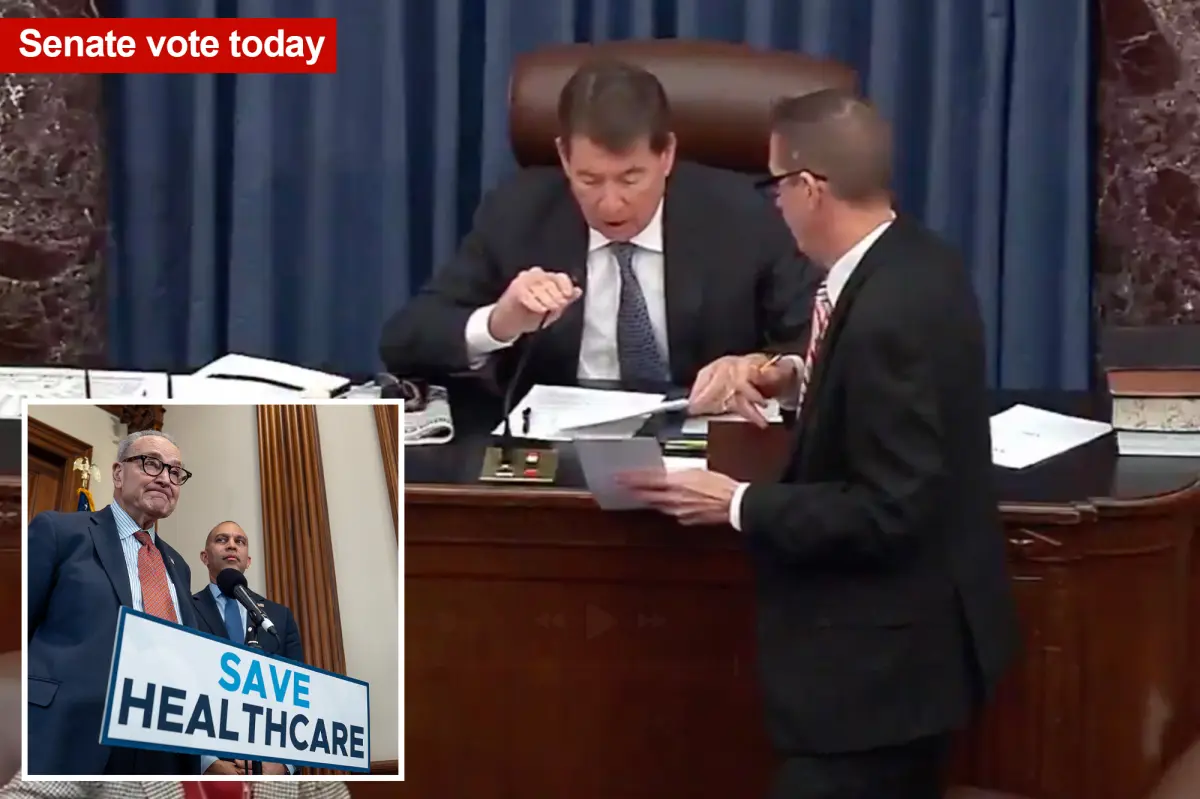
In a tense day of legislative action, the Senate found itself at an impasse over healthcare reform, rejecting competing partisan proposals just three weeks before millions of Americans face potentially crippling premium increases. The votes highlight the ongoing struggle to address healthcare affordability in a deeply divided Congress, leaving vulnerable citizens wondering what will happen to their coverage as the clock ticks down to the premium deadline.
The first proposal, spearheaded by Republican Senators Bill Cassidy of Louisiana and Mike Crapo of Idaho, sought to replace the soon-to-expire COVID-era subsidies with a different approach to healthcare financing. Their plan would have established health savings accounts with guaranteed funding for the next two years, allowing Americans more flexibility in managing their healthcare expenses. The Republican senators argued that this market-oriented solution would provide greater individual choice while still ensuring Americans had financial support for their healthcare needs. Despite these claims, the bill failed to advance past the Senate’s 60-vote filibuster threshold, receiving 51 votes in favor and 48 opposed, with Republican Senator Rand Paul of Kentucky crossing party lines to vote with Democrats against the measure.
Following this defeat, Senate Minority Leader Chuck Schumer of New York immediately brought forward the Democratic alternative, which proposed a straightforward three-year extension of the existing subsidies that have helped millions afford health insurance during the pandemic. Democrats framed their proposal as a necessary lifeline for families already struggling with inflation and economic uncertainty. Schumer emphasized that letting these subsidies expire would deliver a devastating financial blow to working Americans who rely on the Affordable Care Act for coverage. Yet this proposal met the same fate as its Republican counterpart, also receiving 51 votes in favor and failing to overcome the filibuster. In this case, four Republican senators—Susan Collins of Maine, Josh Hawley of Missouri, and both Alaska senators, Lisa Murkowski and Dan Sullivan—broke ranks with their party to support the Democratic plan.
The political standoff comes at a critical moment for Americans insured through the Affordable Care Act marketplace. Without congressional action, premiums for many enrollees are set to more than double when the enhanced subsidies expire. These subsidies, implemented during the COVID-19 pandemic, significantly expanded financial assistance for healthcare coverage, allowing millions of Americans to secure affordable insurance during a global health crisis. The impending expiration threatens to push many middle-class families out of the insurance market altogether, potentially leaving them uninsured just as economic uncertainty continues to put pressure on household budgets nationwide.
Behind the legislative maneuvering lies a fundamental disagreement about the role of government in healthcare. Republicans generally favor market-based approaches that emphasize individual choice and fiscal responsibility, hence their proposal for health savings accounts rather than direct premium subsidies. Democrats, meanwhile, continue to advocate for a stronger government role in ensuring healthcare affordability, viewing the enhanced subsidies as essential protection for vulnerable Americans. These philosophical differences have repeatedly stymied comprehensive healthcare reform, leaving Americans to face the consequences of congressional inaction as policies expire and costs rise.
With both proposals now defeated and the premium increase deadline looming, the path forward remains unclear. Some lawmakers have suggested that a compromise might be possible in the coming weeks, perhaps incorporating elements from both approaches or finding a temporary extension to avoid the immediate crisis while longer-term solutions are negotiated. However, the deep partisan divide and the approaching midterm elections make any breakthrough challenging. Meanwhile, healthcare advocates and insurance companies alike are warning that without swift action, the marketplace could face significant disruption, with many Americans forced to drop coverage they can no longer afford. As Washington continues its political battle, millions of citizens anxiously await a resolution that will determine whether they can maintain their access to essential healthcare in the months ahead.