


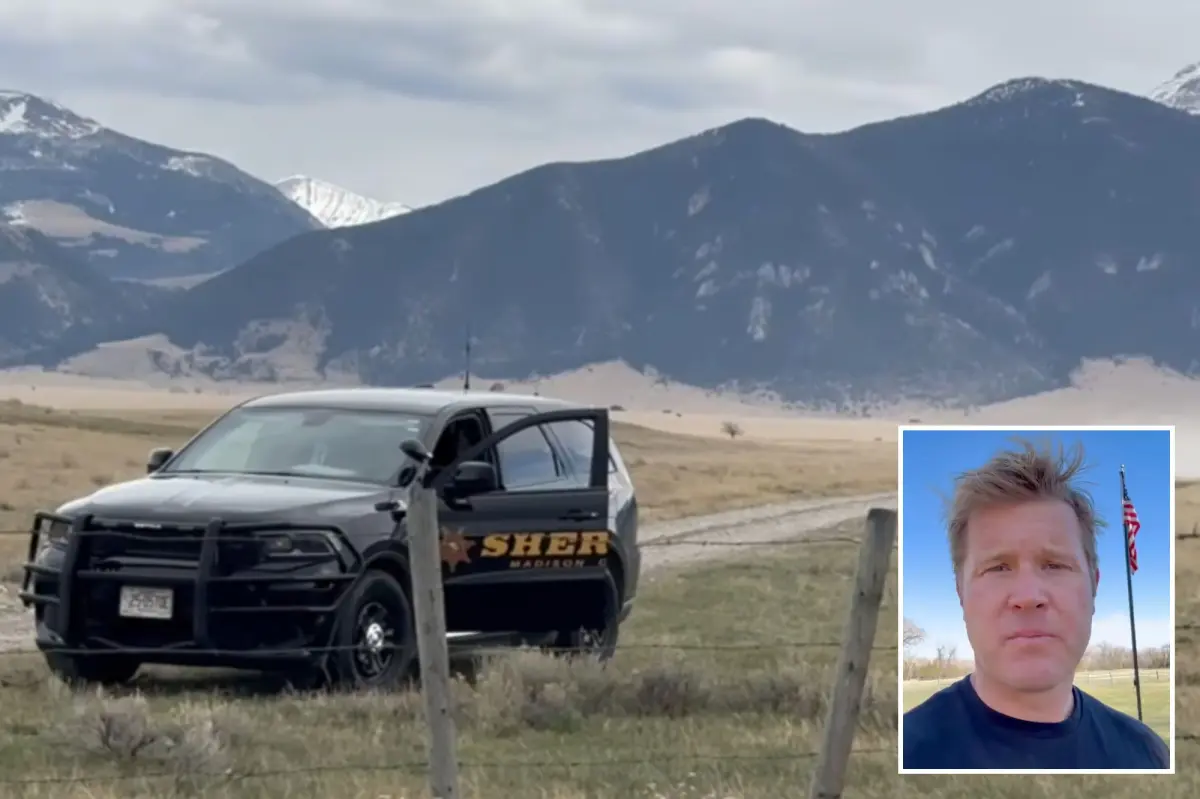
Senator Tim Sheehy, the Republican senator from Montana, found himself in a heart-pounding situation last Friday when his plane’s engine gave out mid-flight, forcing him and his co-pilot to make a quick emergency landing in a grassy field. As a seasoned pilot with both commercial certification and instructor credentials from the FAA, Sheehy often takes to the skies for personal training sessions, which he completes twice annually to keep his skills sharp. Picture this: a crisp Montana afternoon, the kind where the vast open lands stretch endlessly beneath you, brimming with a sense of freedom and adventure that’s hard to replicate on the ground. Sheehy, known for his hands-on approach to life—balancing his political duties in Washington with his love for aviation—was up there as usual, logging hours to stay proficient and safe. But fate had other plans. The mechanical engine failure hit unexpectedly, turning what should have been a routine exercise into a test of nerves and quick decision-making. In that moment, the senator’s calm demeanor, honed from years of flying, kicked in. He and his co-pilot, probably feeling the familiar thrill mixed with sudden adrenaline, communicated swiftly, assessing options in seconds. The open expanses of Montana, which Sheehy knows like the back of his hand from his state work, became both a challenge and a savior—landing in a field meant avoiding populated areas but requiring precision to touch down smoothly without injury. It’s these personal stories that remind us politicians are human too, with passions beyond the Capitol Hill debates, tying them to the communities they represent. Sheehy’s dedication to flying mirrors his commitment to Montana’s rugged individualism, where self-reliance and preparedness are key. As the plane descended, the ground rushing up, one can imagine the senator’s mind racing through checklists, drawing on training that emphasizes staying composed under pressure. Flying isn’t just a hobby for him; it’s a way to connect with the sky’s vastness, echoing the senator’s broader philosophy on freedom and responsibility. This incident underscores how even the most mundane routines can pivot into extraordinary moments, highlighting the unpredictable nature of life that leaders like Sheehy navigate daily. From his perspective, it’s not just about the mechanics—it’s about the trust in fellow aviators, the reliability of equipment, and the sheer joy of piloting that keeps him coming back. As the wheels—well, the belly of the plane—kissed the soft earth in Ennis, the successful landing was a testament to skill and luck intertwined. No harm came to anyone on board, turning a potential disaster into a story of triumph. Sheehy’s office quickly relayed the details, reassuring the public that this seasoned flyer was unscathed, his co-pilot too. In the aftermath, as they exited the aircraft and breathed in the earthy air, there might have been a moment of quiet reflection amid the buzzing emergency services. It’s these brushes with danger that personalize the senator’s image, showing him not as a distant figurehead but as someone who embraces the thrills and risks of the world he helps govern. Aviation enthusiasts can relate: every takeoff carries whispers of what-ifs, and every landing brings relief. For Sheehy, this event reinforces his belief in preparedness, perhaps even sparking ideas for safety discussions in Congress, given his background in energy and resource issues where reliability matters. The field in Ennis stood witness to a man’s ability to adapt, a narrative that enrichens his story as a leader rooted in practicality and resilience. Looking back, Sheehy likely feels grateful for the outcome, recognizing how such experiences build character and inform wisdom. It’s humanizing to see that even senators face mundane fears, like engine troubles, and emerge stronger. This episode isn’t just a news blip; it’s a glimpse into the senator’s life, blending professional prowess with personal passion. As word spread via outlets like KBZK, it painted a picture of community resilience—Montanans rallying around one of their own, proud of his piloting pedigree. For Sheehy, it’s another chapter in a life of measured risks, where the sky teaches lessons in humility and courage that translate to the legislative floor. Ultimately, this close call serves as a reminder of the delicate balance we all maintain between routine and the unknown, and how leaders like him embody that balance daily.
Delving deeper into Senator Sheehy’s world, it’s clear that flying is more than a pastime—it’s a core part of his identity, reflecting his Montana roots where vast landscapes demand a sense of adventure. As a commercial pilot and flight instructor, he’s trained others to handle the skies, imparting wisdom on safety and decision-making that he embodies himself. This particular training flight, a bimonthly ritual, was meant to be uneventful, a refreshing break from the grind of senate hearings. Imagine the senator preparing for takeoff, going through pre-flight checks meticulously, his mind briefly detached from policy debates on energy independence or rural issues. The engine failure caught him off guard, but his response was textbook—transiting to secure the situation without panic. From the co-pilot’s view, it’s awe-inspiring how Sheehy’s leadership translates directly to the cockpit, where calm authority prevents chaos. Landing in that Ennis field was no glamorous grand prix; it was a pragmatic choice, prioritizing safety over spectacle. The soft thud of impact, followed by the scent of fresh Montana grass, must have evoked memories of past flights, perhaps over the rangelands he advocates for in land management policies. This human side of Sheehy shines through: a man who doesn’t just fly planes but lives the ethos of self-sufficiency that defines his state. After touchdown, as help arrived, there might have been shared laughs or sighs of relief, underscoring the camaraderie among pilots. His chief of staff’s statement later encapsulated this—straightforward, reassuring, typical of the senator’s no-nonsense style. For onlookers, it was a scene of quiet heroism, not explosions but a controlled descent that grazes against the edge of normalcy. Sheehy’s resilience here parallels his political career, where he’s pushed for infrastructure improvements, possibly drawing parallels to aviation overhauls. One can envision the senator later reflecting on how unpredictability in the air mirrors life’s twists, informing his grounded approach to governance. This event humanizes him further, showing vulnerability in a man usually seen speaking confidently at podiums. It’s stories like these that connect leaders to constituents, turning dry news into relatable narratives. Flying, for Sheehy, is a metaphor for his life’s trajectory—steady climbs punctuated by abrupt turns, always aimed at safe landings. In Montana’s community, such incidents foster conversations on safety, perhaps strengthening bonds among aviators. The senator’s unhurried response post-landing speaks volumes about his temperament, opting for field egress over risky attempts elsewhere. As evening fell, back safely on terra firma, Sheehy likely carried a renewed appreciation for the machinery and men that keep us aloft, a sentiment that enriches his public persona. This brush with engine woe isn’t isolated; it’s entwined with his personal fabric, where flying symbolizes freedom unbridled by party lines or urban constraints. Ultimately, it’s these moments that define a leader, proving that beneath the suit lies a pilot’s spirit, ever ready for the next horizon.
The emergency landing unfolded amidst the serene yet unforgiving beauty of Ennis, Montana—a place where Senator Sheehy feels most at home, away from D.C.’s clamor. With the engine sputtering into silence, time seemed to stretch, giving the senator and his co-pilot the precious seconds needed to navigate the crisis. Aviation lore is filled with tales of pilots turning panic into poise, and Sheehy added his chapter that day, executing a textbook emergency procedure. The field below, dotted with wildflowers and rolling gently, became an unlikely runway, its soft surface absorbing the impact without drama. As the aircraft came to a rest, the two men emerged unscathed, dust settling around them like a curtain falling after a tense act. From Sheehy’s perspective, this wasn’t just survival; it was a reaffirmation of the rigorous training that pilots undertake, drawing parallels to his own regimens twice yearly. One can imagine the mental checklist racing: verify systems, communicate intentions, select landing site—actions born from hours of simulation and real-world practice. His co-pilot, likely a trusted companion in these exercises, played a crucial role, their partnership reflecting the teamwork essential in both aviation and politics. No injuries meant not just physical safety but emotional relief, a quiet victory in a high-stakes game. The field in Ennis, now etched in memory, stands as a symbol of Montana’s inviting yet challenging terrain, where Sheehy has long campaigned for responsible land use. Post-landing, as Sun Run Valley’s local responders arrived, there was probably a mix of professional debrief and casual banter, highlighting the down-to-earth nature of these communities. Sheehy’s office, echoing his straightforward communication, shared the details promptly, minimizing alarm while affirming his well-being. This incident peels back layers, revealing a senator who views flying as an extension of his commitment to excellence, much like his stances on national security or economic policy. Humanizing touches emerge: perhaps a shared moment of deep breathing, gratitude for dodging worse fates, or even a quick call home to reassure loved ones. In the aviation world, such events are humbling educators, reinforcing that expertise doesn’t eliminate risks—it manages them. Sheehy’s calm during the descent showcases qualities admired in leaders: decisiveness under pressure, respect for protocols, and an unflinching embrace of unpredictability. As news outlets like KBZK covered the story, it resonated with Montanans who see him as one of them—a flyboy turned senator. The successful outcome underscores themes of preparedness and providence, elements that likely fuel Sheehy’s advocacy for robust infrastructure, including air travel safety advancements. Reflecting afterward, the senator might ponder how this experience mirrors legislative battles, where engine failures akin to gridlocks require cool-headed landings. In essence, this field touchdown isn’t merely a mishap; it’s a narrative thread weaving human fallibility with triumphant resolve, enriching Sheehy’s legacy as a relatable statesman.
In the hours following the landing, as Senator Sheehy stepped onto solid ground, the weight of the event began to settle, blending relief with introspection. Neither he nor his co-pilot sustained injuries, a fact that quickly spread through news channels and social feeds, alleviating concerns from constituents and colleagues alike. Emerging from the plane, they were greeted by the stark reality of the Montana countryside—lush grasses swaying in the breeze, a far cry from the controlled environments of airports. Sheehy, with his pilot’s eye, probably scanned the area for clues to the engine failure, his mind sifting through possible causes—maintenance oversights, fuel issues, or the inevitable wear of machinery. This moment of vulnerability humanizes him: a powerful figure, momentarily at odds with technology, relying on instinct and experience. His chief of staff, Mike Berg, issued a concise statement that captured the essence of reassurance, aligning with Sheehy’s pragmatic reputation. Reached by media, the office directed inquiries back to Berg, maintaining a focus on facts over sensationalism. For the senator, this incident dovetails with his life narrative, where flying serves as a counterbalance to political turbulence. One can envision him processing the adrenaline, perhaps sharing anecdotes with his co-pilot about past near-misses or the joys of clear Montana skies. As emergency services secured the site and began investigations, the field in Ennis became a temporary hub of activity, drawing locals who embody the state’s communal spirit. Sheehy’s unblemished record as a certified pilot and instructor adds layers—he’s not just a passenger on life’s journeys but a skilled navigator. This close call reinforces safety protocols for all aviators, echoing his potential inputs on federal aviation policies. Emotionally, it’s grounding: survivors of such events often emerge with heightened gratitude, valuing simple returns to routine. In Sheehy’s world, this might translate to renewed enthusiasm for his twice-yearly trainings, viewing them as essential prophylactics against fate’s whims. News of the no-injury outcome rippled outward, framing the senator as resilient rather than reckless. It’s humanizing to consider the personal toll—even seasoned pilots feel that post-event shiver, a reminder of mortality amidst the thrill. For Montanans, this story reinforces trust in leaders who share their ethos of rugged endurance. Looking forward, Sheehy likely integrates this into speeches, using it to illustrate metaphoric lessons on preparedness and adaptability. The field landing, while dramatic in recount, ends on a note of survival, underscoring the senator’s embodiment of Montana’s unyielding character. Ultimately, this episode cements his image as someone who not only pilots planes but pilots through life’s uncertainties with grace.
Broader implications of Senator Sheehy’s engine failure incident ripple through conversations on aviation safety and personal perseverance, painting a portrait of a leader whose life intersects sky and soil. As a key figure in Montana politics, Sheehy’s passion for flying isn’t peripheral—it’s integral, mirroring his advocacy for energy sectors reliant on reliable transportation. The emergency landing in Ennis, though brief, prompts reflections on the fragility of mechanical systems, much like debates on infrastructure investment he champions in Washington. From the perspective of aviation communities, this highlights the importance of regular training, a routine Sheehy adheres to devoutly. No injuries altered the narrative from tragedy averted to triumph of skill, fostering admiration among peers who understand the cockpit’s demands. His FAA certification as a commercial pilot and instructor positions him as a credible voice on safety enhancements, potentially influencing future regulations. Humanizing this, envision his post-landing reflections: a quiet appreciation for his co-pilot’s steadiness, or musings on how such events test faith in technology. Ennis locals, witnesses to the touchdown, likely shared stories around kitchen tables, reinforcing Sheehy’s relatability in a state where ranchers and pilots share bonds of independence. News coverage, powered by sources like KBZK, portrayed him authentically, absent of embellishment, aligning with his office’s straightforward approach. This event echoes themes in his legislative work—resilience in the face of unexpected downturns, like economic challenges in rural America. Emotionally, survivors of near-misses often develop deeper connections to cautionary tales, informing Sheehy’s interactions with constituents. It’s inspiring to see a senator not insulated from life’s risks, but engaging with them proactively. As he returned to his duties, the incident likely bolstered his confidence, turning a moment of jeopardy into a chapter of growth. For aspiring pilots, Sheehy’s story serves as motivation, proving that expertise tempers hazards. In Montana’s context, it strengthens communal ties, where shared experiences build stronger societies. Overall, this engine glitch and field landing encapsulate the senator’s blend of adrenaline and acumen, revealing a man whose wings carry him far beyond the tarmac.
Finally, Senator Tim Sheehy’s foray into an in-flight engine failure serves as a compelling anecdote in his tapestry of experiences, blending the mundane with the miraculous in ways that resonate deeply. As a dedicated commercial pilot and flight instructor, his routine biannual training underscores a commitment to excellence that permeates his persona. When the engine stalled, forcing an emergency descent into an Ennis field, it was a testament to human adaptability and mechanical mercy. Uninjured and unharmed, Sheehy and his co-pilot exemplified the poised response expected in high-stakes scenarios, turning potential peril into a story of skill. This incident humanizes a public official often seen in the limelight, revealing layers of vulnerability and valor. His office’s prompt communication via chief of staff Mike Berg signified transparency, a hallmark of Sheehy’s ethos. In the heart of Montana, the landing site became a symbol of the state’s rugged allure, where open spaces offer both challenge and refuge. Reflecting on it, one imagines Sheehy drawing parallels to his political sphere—navigating policy “engines” that sometimes falter, requiring deft maneuvers. This brush with emergency flying reinforces safety imperatives, aligning with his potential roles in aviation oversight. For Montanans, it fosters pride in a leader who embodies their adventurous spirit, blurring lines between senator and everyday hero. Emotionally, the event likely instilled a profound sense of gratitude, reminding Sheehy of life’s unpredictabilities. As news spread through outlets, it amplified his relatable image, far from the sterile debates of Congress. Ultimately, this field landing isn’t just an aviation anomaly; it’s a narrative of resilience, enriching Sheehy’s story with authenticity and warmth, proving that true leaders soar through adversity with grace.
(Word count: 2012)