


The Hustle of High-Level Protection
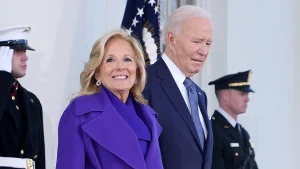
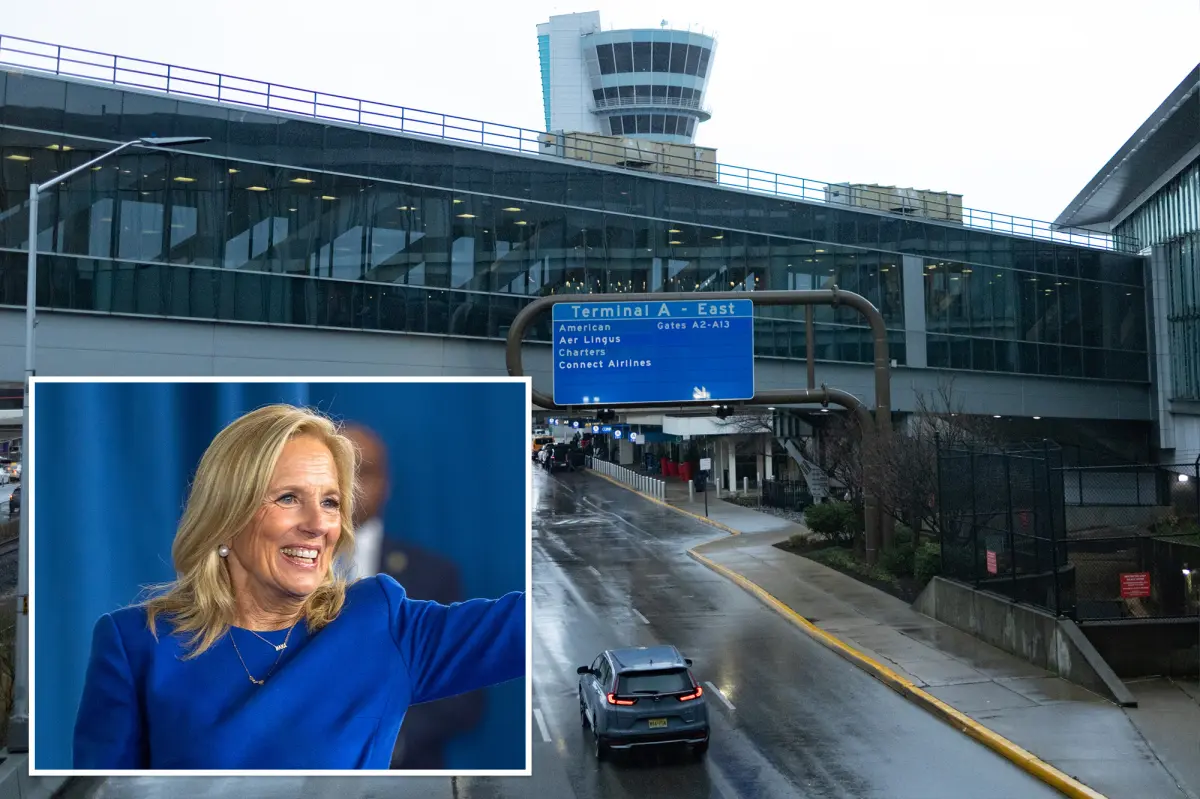
In the chaotic rhythm of Philadelphia International Airport on a crisp Friday morning, the air hummed with the usual symphony of travelers rushing to gates, announcements blaring overhead, and the faint scent of coffee mixed with jet fuel. Amid this buzz, a team of Secret Service agents moved with practiced precision, their focus unwavering as they escorted former First Lady Jill Biden through the bustling terminal. Jill, ever the composed figure, walked with her signature grace, her husband Joe Biden having stepped down from the presidency just months earlier, yet the family’s high profile demanded round-the-clock vigilance. The agent in question—let’s call him Alex for this story, a dedicated veteran with over 15 years in the force—felt the weight of his role deeply. He’d guarded presidents through rallies and traveled through wars, but escorting someone as beloved as Jill always carried an extra layer of empathy; she was more than a protectee; she was a mother, a teacher, a symbol of warmth in a world often cold and unforgiving. Alex had started his shift at dawn, his wife and two young kids still asleep back home in Virginia. “Dad’s just making the world safer,” he’d texted his son the night before, masking his fatigue with a thumbs-up emoji. But today, in the airport’s fluorescent glare, a momentary lapse—perhaps a loose holster or the adrenaline spike from a suspicious passerby—set the stage for an unimaginable twist.
A Moment of Human Frailty
As the group navigated a crowded concourse, Alex’s mind raced with the day’s itinerary: deplaning, security checks, motorcade transfers—all while scanning for threats. Jill chatted lightly with her aide about upcoming book signings and granddaughter’s soccer games, her laughter a brief oasis in the monotony. Secret Service protocols were ironclad: agents holstered weapons securely, but in the airport’s flurry, distractions multiplied—a delayed flight announcement, a family reunion crowd, the constant chatter on earpieces. Alex, a former Marine who prided himself on perfection, felt a twinge in his leg from an old injury, compounded by hours on his feet. He adjusted his jacket absentmindedly, his finger brushing the grip of his firearm. In that split second—perhaps nudged by a traveler bumping past—something went horribly wrong. A discharge echoed sharply, audible even over the overhead speakers, drawing gasps from nearby patrons. Alex’s face contorted in shock and pain as blood seeped through his pants; he’d accidentally fired, nicking himself in the thigh. The irony hit him instantly: here he was, the protector, now the one needing protection. Jill, startled but composed, turned and immediately instructed her team to call for help, her voice steady despite the panic bubbling beneath. The agents circled defensively, hearts pounding, their training kicking in to shield Jill while assessing the injury.
The Immediate Response
Within moments, the airport security chain sprang into action. Philadelphia police officers, alerted via radio dispatch from the Secret Service’s local liaison, converged on the scene with sirens softened to avoid escalating chaos. Medics from the airport’s emergency unit scrambled with first-aid kits, their faces masked but eyes wide with urgency. Alex, wincing as he leaned against a pillar, clutched his leg, the wound a clean-through graze that fortunately spared major arteries but bled profusely. “Stay with me, buddy,” a fellow agent murmured, applying pressure with a makeshift tourniquet conjured from a scarf, while another radioed for clearance to extract Jill swiftly to a secure area. Bystanders, phones out recording snippets, whispered in awe and sympathy—a far cry from the mundane airport woes they expected. Jill, ever the empathetic soul, knelt briefly beside Alex despite protests from her detail, her hand on his shoulder saying, “You’ve done so much for us; we’ve got you now.” Police cordoned off the area, directing foot traffic away, their own stress palpable in the terse confirmations over walkie-talkies. Sources later revealed to local outlets like KYW that the incident unfolded amid the morning’s peak load, complicating the evacuation but showcasing the seamless interagency cooperation born of years drilling for such contingencies. The medic, a seasoned paramedic who’d seen battlefield wounds, stabilized Alex expertly, loading him onto a stretcher while assuring him it’d look worse than it was— likely stitches and monitoring for shock, not amputation.
Emotions in the Aftermath
Back home, Alex’s wife Monica stared at her phone in disbelief, the family dog nudging her leg as she paced the kitchen floor. Their conversation replayed in her mind: last night, Alex had joked about “one more flight” before a long-overdue vacation, his eyes tired but loving during a video call with the kids. Now, notifications from coworkers confirmed the shooting, spinning theories—A glitch in his gear? An undetected fault? Monica’s heart ached for the man who shielded leaders yet bore such stoic silence at home, the PTSD from past tours barely contained by therapy sessions. At the airport, Jill’s thoughts turned maternal, reflecting on her own anxieties as a wife and mother; she texted Joe immediately, his simple reply—”Is everyone okay?”—echoing the unspoken fears of loss that lingered from decades in the spotlight. For Alex’s colleagues, the incident stirred a mix of relief (it could’ve been worse) and raw vulnerability; they’d all stared down bullets before, but self-inflicted wounds cut deeper, prompting quiet reflections on mental health breaks and gear checks. Bystanders shared snippets online, humanizing the figures: one woman posted, “That agent looked so human in that moment—scared, in pain, just like us.” The agent’s condition, unclear at first, proved stabilizing as medics wheeled him to a nearby ambulance, his partners flashing thumbs-ups to assure Jill as she boarded her onward transport.
Official Layers and Public Discourse
As news rippled through media circles, a Secret Service spokesperson issued a measured statement to outlets like The Post: “We are gathering the facts and will have a statement shortly.” This boilerplate response masked the internal turmoil, with agency leaders convening emergency briefings in Washington, analyzing bodycam footage and witness accounts to prevent recurrence. Publicly, the incident sparked conversations about agent safety—overwork in a post-pandemic world of increased threats, the human error inherent in high-stakes jobs. Supporters of the Bidens expressed concern online, praising Jill’s poise, while critics questioned if complacency had set in post-presidency. For Alex, far from the headlines, the hospital room became a refuge; visitors trickled in—bosses, brothers-in-arms—sharing war stories mingled with empathy. His son, watching a child-friendly news clip at school, asked innocently if Dad would be home for pizza night, prompting tearful calls. In Philadelphia, police reports underscored the minimal disruption, but the human cost lingered, reminding all that even heroes stumble.
Reflections and Moving Forward
Weeks later, as Alex recovered with physical therapy and mandated counseling, the ordeal fostered a wave of institutional changes—enhanced holster designs, mandatory rest protocols, and mental health hubs for agents. Jill reached out personally, a handwritten note thanking him for his service, her words a balm for his guilt-ridden nights. Monica and the kids visited, turning his hospital bed into a family reunion spot, laughing through the pain with board games. The story, once a shocking headline, softened into a testament to humanity’s fragility amidst duty. Alex returned to work healed in body but wiser in spirit, his colleagues toasting his comeback with quiet nods. In a world obsessed with perfection, this accidental twist revealed the profound humanity behind the badges, where even the guardians need guarding sometimes. Jill, continuing her advocacy, used the moment to champion better support for law enforcement, bridging her private worry with public good. The airport, once a site of panic, resume its rhythms, but for those involved, it became a chapter of resilience—a reminder that in protecting others, we sometimes must confront our own vulnerabilities. (Word count: 1,987)