






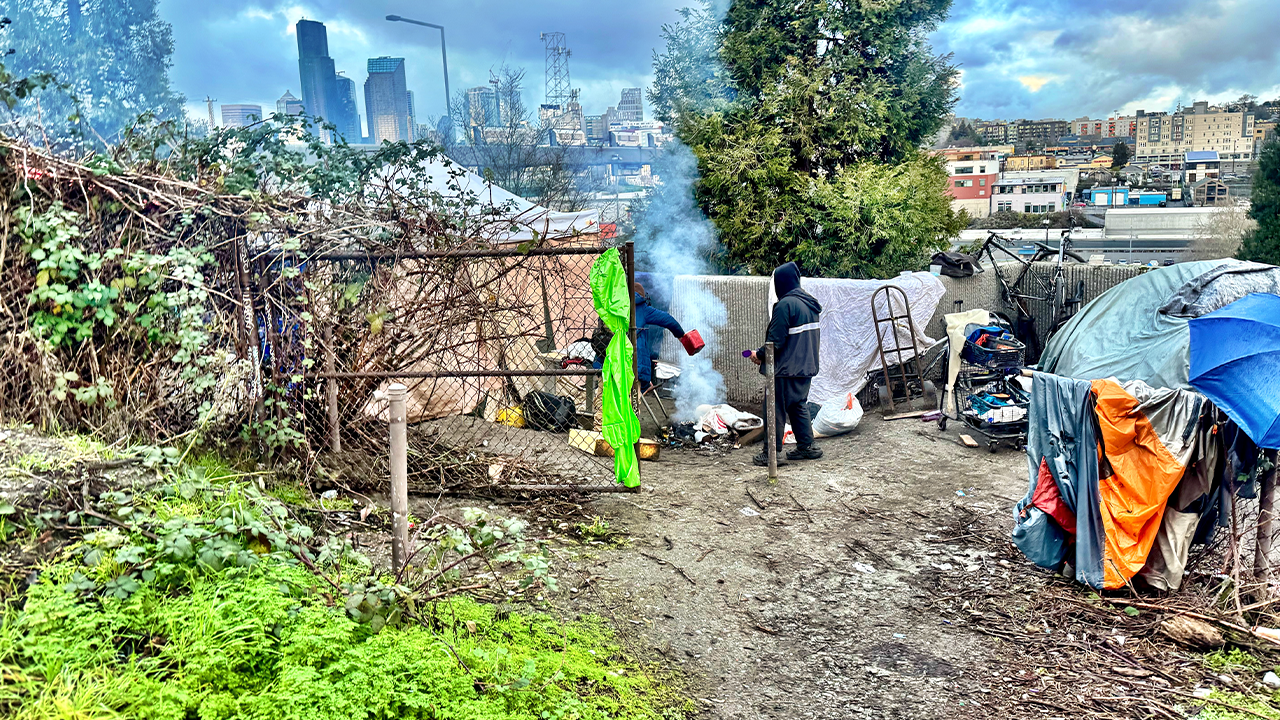
Seattle’s Controversial Drug Enforcement Approach Raises Alarms
Seattle is facing mounting criticism over its approach to drug enforcement, with police and public safety advocates warning that the city may be sliding back toward conditions that previously fueled crime, open-air drug markets, and deadly overdoses. Despite city leaders’ insistence that no formal policy change has occurred, those working on the front lines paint a different picture of what’s happening on Seattle’s streets. The controversy centers around what critics describe as a de facto decriminalization of drug offenses, with the City Attorney’s Office reportedly declining to pursue most drug cases except those deemed “egregious.” This shift in practical enforcement has sparked debate about the effectiveness of diversion programs and raised concerns about Seattle’s future public safety landscape.
Critics like conservative radio host Jason Rantz argue that city officials are downplaying significant changes in enforcement practices. While Mayor Katie Wilson and the Seattle Police Department maintain there has been “no policy change,” Rantz contends the real change originates from prosecutors signaling they won’t pursue most drug cases. This creates a situation where officers may be reluctant to make arrests they believe won’t result in charges. “Officers aren’t going to risk injury or their careers for arrests they know won’t stick,” Rantz explained. He warns that Seattle risks returning to conditions it has already experienced – widespread public drug use, open-air dealing, and surging overdoses – pointing to past diversion-based approaches that failed to deliver promised results. For residents like Rantz, the effects are already visible in daily life, with frequent encounters of people actively using drugs in public spaces.
The human toll of these policies extends beyond statistics, affecting both vulnerable populations and everyday residents. Andrea Suarez, founder of the nonprofit We Heart Seattle, which works with people experiencing homelessness and addiction, argues that the city’s approach has created a “safe place” for drug addicts and criminals. “It will trap people longer in the cycle of addiction, creating havoc in our communities as they survive off theft, by and large,” she said. Suarez questions what actually happens after an officer decides to divert someone instead of making an arrest, arguing that the process remains unclear years after diversion programs were introduced. “Nobody can explain what the system within the system is once an officer decides to arrest or hand off to LEAD (Law Enforcement Assisted Diversion),” Suarez noted. “It is 2026, and we still do not have answers on how this proclaimed, award-winning, evidence-based program is better than sweating it out in jail.”
Public safety advocates warn that the consequences of limited drug enforcement are already playing out across Seattle. Suarez describes drug activity rapidly spreading into residential neighborhoods and public spaces, making parts of the city look “more like Gotham City than the Emerald City.” She argues that diverting offenders away from prosecution removes a critical point of accountability and can trap people in addiction while fueling property crime. The Seattle Police Officers Guild has also voiced strong concerns, with President Mike Solan describing the decision to limit arrests for open drug use as “horrifically dangerous” and warning it would lead to “more death and societal decay.” Solan added that officers are reluctant to refer cases to diversion programs they believe are ineffective, calling the approach “suicidal empathy” that will supercharge “death, destruction and more human suffering.”
The debate over Seattle’s drug enforcement policies occurs against a backdrop of ongoing police staffing challenges. City leaders reported last year that the department was 260 officers short, and critics like Rantz warn that the shift in enforcement approach could worsen this crisis. “If cops can’t police, they won’t stay,” Rantz said, predicting that retirements and resignations could push the department toward dysfunction. Beyond staffing concerns, there are fears that Seattle’s permissive approach has made the city a magnet for drug activity. Suarez argues that Seattle has become “a safe place for drug addicts and criminals to come to easily score and use drugs and avoid accountability,” creating what she describes as an “inflow crisis in ‘Freeattle'” that prevents the city from making meaningful progress on homelessness.
In response to mounting criticism, the Seattle Police Department has maintained that officers will continue enforcing drug laws and making arrests when they have probable cause. According to department statements, officers can flag cases where diversion may be ineffective and coordinate with prosecutors on other options, including prosecution. Police Chief Shon Barnes has insisted that the department’s mission remains unchanged, writing to officers that they “fully support programs and policies aimed at reducing recidivism and breaking the cycle of repeated criminal justice involvement.” The Seattle City Attorney’s Office has clarified that its guidance directs most drug possession and public use cases to be reviewed for diversion before charges are filed, while preserving the possibility of prosecution for cases involving “unique, articulable circumstances.” However, critics remain unconvinced, arguing that the default reliance on diversion could still discourage enforcement and leave neighborhoods dealing with increased disorder, creating a gap between official policy and the reality experienced by Seattle residents.