

Minnesota’s Somali Community Faces Scrutiny Amid Fraud Scandals and Crime Concerns
Minnesota has become the center of a complex national conversation as a series of massive fraud schemes, allegedly involving members of the state’s Somali community, have drained hundreds of millions of taxpayer dollars. These scandals have triggered federal investigations, placed political pressure on state leaders, and raised difficult questions about immigrant integration and government oversight. The situation has been further complicated by several high-profile crimes and terrorism concerns, leaving both the Somali-American community and Minnesota residents grappling with issues of accountability, perception, and the path forward.
The most significant scandal involves the Feeding Our Future program, described by federal prosecutors as the largest pandemic-relief fraud scheme in U.S. history, with approximately $300 million stolen. The case involves 78 defendants, including both Somali Minnesotans and others, with the alleged ringleader being Aimee Bock, a white American. Prosecutors have detailed how participants claimed to serve 91 million meals to needy children during the pandemic while actually using the funds to purchase luxury homes, cars, and international properties. When the Minnesota Department of Education attempted to halt payments in 2021 due to suspicious activity, Feeding Our Future sued for discrimination, and remarkably, a judge ordered the state to continue payments—allowing the fraud to expand. The scheme’s unraveling revealed additional frauds targeting housing stability services and autism treatment programs, with criminals billing for services never provided and sending millions overseas.
The scope of government failure has shocked many observers. Programs designed to help vulnerable populations exploded in cost—the Housing Stabilization Services program jumped from a projected $2.6 million annually to over $100 million, while the autism program’s budget surged from $3 million in 2018 to nearly $400 million in 2023. Critics, including Republican State Senator Jordan Rasmusson, have suggested that political correctness prevented proper oversight, claiming the Walz administration was “asleep at the wheel” and reluctant to investigate Somali-run nonprofits. A whistleblower account alleged that Department of Human Services staff who raised fraud concerns were ignored or reassigned, creating an environment where criminals could exploit human-services programs for years without consequence. Former Acting U.S. Attorney Joseph Thompson expressed astonishment at the “schemes stacked upon schemes” that drained public resources, calling the fraud’s depth “breathtaking.”
Public anxiety has increased with allegations that some stolen funds may have reached the terrorist organization Al-Shabaab in Somalia. This claim has revived painful memories from the late 2000s, when approximately 20 young Somali-Americans left Minnesota to join the terrorist group, including Shirwa Ahmed, who became the first known American Islamist suicide bomber. Former Hennepin County Sheriff Rich Stanek, who previously testified before Congress about radicalization concerns, noted that while the threat has diminished, it hasn’t disappeared entirely. Last year, a 23-year-old Somali-American pleaded guilty to attempting to provide material support to ISIS after trying to travel to Somalia. These terrorism connections, though representing a tiny minority of the community, have intensified scrutiny of Minnesota’s Somali population.
Adding to public concern has been a string of high-profile crimes allegedly involving Somali community members. Recent cases include a Somali national with previous convictions charged with kidnapping and rape, another immigrant jailed for child sexual assault (which sparked additional controversy when a mosque provided a character reference), and several violent incidents including a mall shooting, violence at graduation ceremonies, and a fatal beating. Former Sheriff Stanek indicated that Somali-related violence began emerging between 2005 and 2010, initially with first-generation immigrants before affecting American-born youth. He described groups like the Somali Outlaws and 10th Street Gang not as organized criminal syndicates but as loose associations of young men whose crimes stemmed more from personal rivalries than coordinated criminal enterprises. Though Minnesota doesn’t track crime by ethnicity and violent crime statewide has decreased, these visible cases have revived questions about safety and integration.
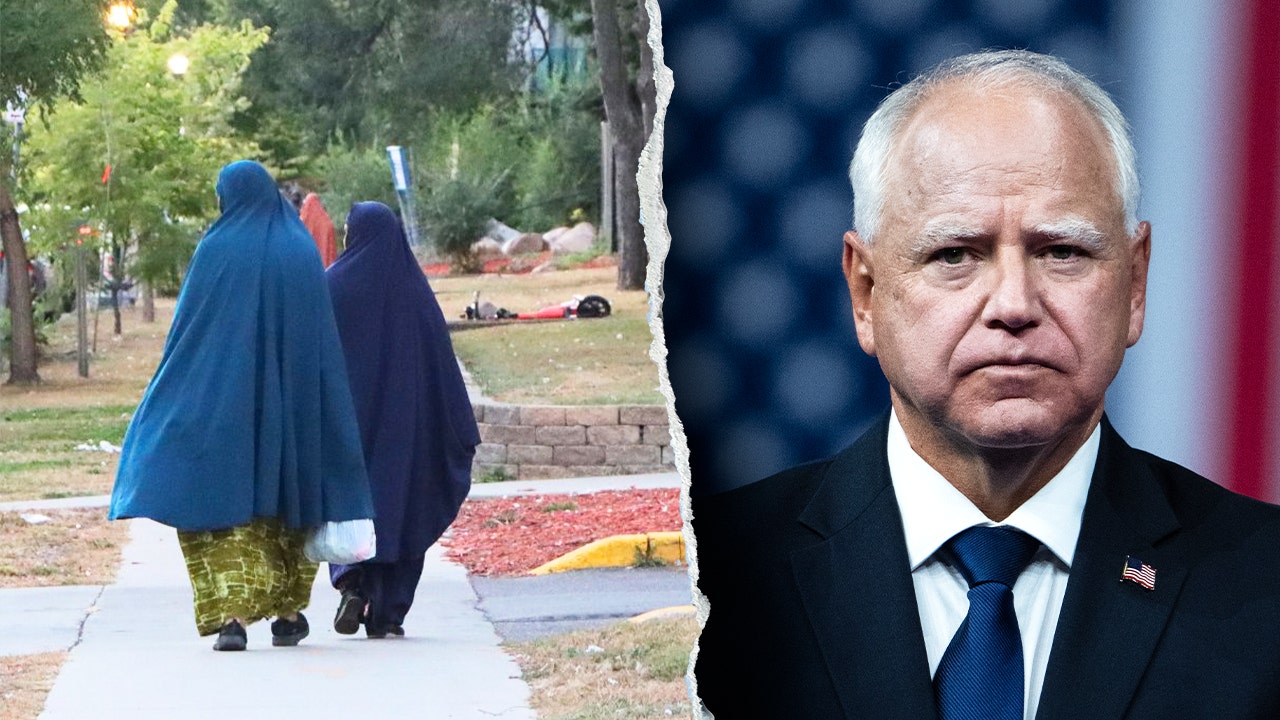
Community leaders emphasize that the vast majority of Minnesota’s Somali population—the largest in the United States—are law-abiding, hardworking people who contribute positively to society. Jaylani Hussein, executive director of CAIR–Minnesota, rejects collective blame for criminal activity, comparing current perceptions to historical stigmatization of Irish and Italian immigrant communities. He stresses that criminals who steal from public programs are betraying their own community first and foremost. Meanwhile, the political fallout continues to grow, with House Majority Whip Tom Emmer calling the fraud scandal “a catastrophic failure of oversight” under Governor Tim Walz’s administration. State Senator Rasmusson went further, suggesting Walz has “lost the confidence of Minnesotans” and questioning his ability to lead the state. As investigations continue and the full extent of these schemes comes to light, Minnesota faces difficult questions about how to strengthen oversight while maintaining support for vulnerable populations and avoiding unfair stigmatization of an entire community based on the actions of a few.