





Echoes of Forgotten Dreams: The Hidden Crisis in Georgia’s Charming Cities
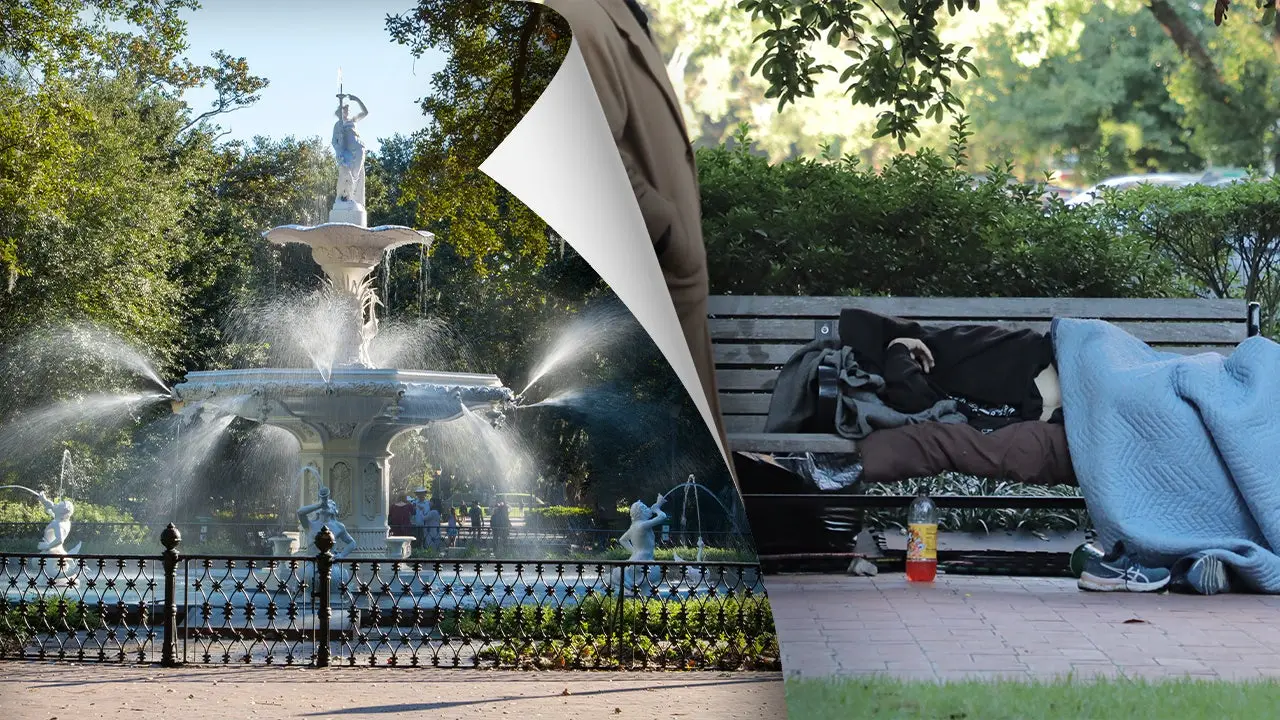
Picture this: the cobblestone streets of Savannah, where towering oaks drape in Spanish moss like nature’s own veils, and the air carries whispers of history from antebellum homes and bustling riverfronts. These are the places that draw tourists from across the world, postcards incarnate, evoking romance, resilience, and the soul of the South. Yet, beneath this picturesque veneer, a different reality is unfolding—one that’s gritty, unsettling, and increasingly hard to ignore. Homelessness isn’t just a distant problem; it’s weaving itself into the very fabric of these idyllic spots, turning beauty spots into battlegrounds. Encampments sprout like unwelcome weeds in parks and alleyways, while issues of public safety ripple outward, affecting not just Savannah but cities like Athens and Atlanta too. It’s a shift that’s been building quietly, almost imperceptibly, but now, voices are rising. Critics speak of a creeping tide that stains the charm, leaving residents, businesses, and even wide-eyed visitors grappling with a sense of intrusion and unease. The heritage that makes these cities special feels under siege, as if the ghosts of the past are watching helplessly while modern woes march in. Walking down those famed squares, where fountains sparkle and carriages clip-clop by, one might stumble upon makeshift tents or groups huddled in shadows, a stark contrast that jars the senses. It’s not just about aesthetics; it’s about the heart of community itself. Families, once proud to call these streets home, now lock their doors tighter at night, wary of the unknown. Business owners, who pour their livelihoods into quaint cafes and artisan shops, watch their dreams erode as customers shy away, deterred by the unpredictable undercurrents. This isn’t a story of isolated misfortune; it’s a collective sigh of frustration. The once-pristine waterfront, a hallmark of Savannah’s allure, now hosts stories of people in crisis, their struggles spilling into public spaces. Visitors, lured by guidebooks promising enchantment, encounter scenes that no brochure prepares them for—displacement that feels raw and unrelenting. In Athens, with its vibrant college town energy and proximity to the University of Georgia, the spillover is just as palpable, mirroring a broader Southern quandary. The crisis hums like a low-frequency vibration, affecting everyone from elderly residents reminiscing about better days to young professionals chasing careers in these cultural hubs. It’s human stories layered upon human stories: the man who lost his job and wound up under a bridge, the family unable to afford stable housing, the cycle of poverty that traps generations. These cities, once bastions of Southern hospitality, are reckoning with a population pushed to the edges, their presence a visible wound on the landscape. And for those who still hold dear the old ways, it’s heartbreaking. Imagine the grandmother who once strolled the same paths with her grandchildren, now hesitant to let them play freely. The real pain lies in the erosion of trust, the way a problem that could be managed feels overwhelming, leaving communities feeling powerless against an invisible tide.
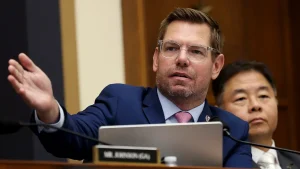
Enter into this narrative State Rep. Houston Gaines, a Republican powerhouse from Athens who’s not content to let the problem simmer. A man with deep roots in the community, Gaines is channeling his frustration into action, running for Congress while pushing hard for change at the local level. His voice cuts through the complacency like a clarion call, insisting that enough is enough. The legislation he’s championing, House Bill 295, isn’t just words on paper; it’s a strategic strike aimed at shaking up the status quo. Gaines envisions holding local governments “to the fire,” as he puts it, by mandating stricter enforcement of laws on illegal camping, loitering, and panhandling—those very infractions that are tarnishing the South’s most cherished spots. In conversations with Fox News, he lays it out plainly: cities like Savannah, Athens, and Atlanta have the tools; they just need the will to use them. Gaines isn’t some outsider pontificating; he’s a resident, a dad, perhaps even a business owner himself who’s seen the toll firsthand. His passion stems from a place of gritty realism—years of watching downtown Athens morph from a lively hub into a shadow of its former self. Back when he first settled in, the squares were alive with students laughing over pints and families enjoying picnics. Now, those same areas draw complaints of discomfort, with people avoiding evening strolls or dinners out. Gaines recalls the not-so-distant past when Athens felt open and welcoming, a place where college kids and locals mingled effortlessly. But times have changed, and he’s adamant that local officials must step up, not just for the aesthetics but for the very essence of public order. His story is one of transformation: from a newcomer charmed by the city’s spirit to a seasoned advocate rallying for accountability. He speaks with the urgency of someone who’s knocked on doors and heard the whispers of dissatisfaction—residents fed up with neglect, businesses bleeding money on makeshift security. Gaines isn’t about sweeping generalizations; he’s pragmatic, drawing on real-world examples to illustrate his point. For instance, he describes the nightly economies disrupted by loiterers, the sense of vulnerability that creeps in when the sun sets. Yet, beneath the toughness, there’s a human undertone: Gaines acknowledges that these aren’t villains but individuals in need, caught in a web of circumstance. His approach is to prod cities into action without criminalizing hardship outright, focusing instead on restoring balance. Listening to him, you sense a leader connecting dots—linking policy to people’s lived experiences. He’s not just proposing fines or arrests; he’s advocating for a system where enforcement clears space for tangible help, ensuring that pushback pairs with support. In Gaines, communities see a relatable figure, someone who embodies the frustration but also the hope that Georgia’s cities can reclaim their magic through determined leadership.
The real weight of this crisis sinks in when you hear the personal tales from those on the front lines—stories that hit close to home, transforming statistics into emotional realities. Take, for example, the anecdote Gaines shares about his constituent who returned from vacation to find a homeless person had been living in her swimming pool for days. It’s not just an intrusion; it’s a violation of sanctuary, a home turned into an unintentional refuge for someone else’s despair. Imagine the shock: coming back to what should be a peaceful suburban haven, only to discover signs of occupation—discarded belongings floating, the pool murky and foreign. For that resident, it’s a mix of empathy and anger, a reminder that homelessness seeps into private lives in ways that sting deeply. Or consider the business owners Gaines mentions, opening their doors at dawn to find people sleeping on porches or, worse, evidence of unsanitary acts right at their thresholds. These aren’t isolated incidents; they’re daily hurdles that chip away at livelihoods. A small shop owner, say a florist who thrived on walk-ins and smiles, now contends with the smell and sight that drive customers away, affecting sales and morale alike. Property owners across Georgia echo this sentiment, shelling out for cameras, fencing, and security personnel—costs that add up, turning manageable businesses into fortresses. In Atlanta, some stations have resorted to full-time guards just to keep operations running smoothly. Then there’s the broader ripple effect: homeowners installing alarms, families adjusting routines to avoid certain paths, the psychological toll of constant vigilance. Parents, eager to instill a sense of history in their kids, now grapple with how to explain the encampments without fostering fear. Students in Athens, the heart of a vibrant college town, sometimes skip downtown outings, opting for safer, less exposed alternatives. It’s a human cost that’s immeasurable—the erosion of joy, the way joy morphs into caution. For visitors, the disconnect is even sharper: they come seeking the romance of antebellum architecture only to encounter scenes of desperation that clash with their expectations. These stories, when pieced together, paint a mosaic of resilience tinged with weariness. People like the chamber of commerce president in Savannah, Bert Brantley, articulate the communal strain—workers feeling unsafe, residents demanding accountability. In November of last year, Brantley voiced what many feel: a longing for a public safety net that acts decisively, delivering consequences for crimes while fostering dignity. And yet, amid the frustration, there are glimmers of care—the individuals who genuinely want to help, the neighbors who offer what they can. Humanizing this means acknowledging the empathy woven into the outrage; behind the headlines are souls grappling with a complex issue, not just numbers on a page. The pain isn’t abstract—it’s lived, breathed, and shared in kitchen table talks and community forums. As loans Walsh points out, this shifts how we perceive these cities, from tourist destinations to places where human struggles intersect with private aspirations.
Savannah, often hailed as one of America’s prettiest cities, has tried to lead by example, enacting an urban camping ordinance that bans the activities Gaines targets—camping in public, storing belongings on sidewalks, blocking pathways. Since its rollout, the results speak to a measured approach: 179 citations, 15 arrests, but also a softer side with 135 individuals connecting to services like shelters, about 30% successfully transitioning indoors. It’s a balance, enforcement paired with outreach, showing that cracking down doesn’t mean abandoning compassion. Gaines builds on this, crafting House Bill 295 to amplify such efforts statewide. The bill’s genius lies in its financial leverage: it holds local governments accountable by making them liable for losses suffered by property owners due to lax enforcement. If a business incurs costs from non-enforced laws—be it reduced value from persistent nuisances or expenses for barriers—owners can sue, compelling city or county officials to pay up. It’s a “hit them in the pocketbook” strategy, as Gaines describes, designed to prioritize action over indifference. For cities dragging their feet, like some in Atlanta’s sprawling fabric, this could mean real change—budgets scrutinized, priorities realigned. Gaines isn’t pushing for punitive extremes; he positions the bill as a catalyst for good, forcing localities to clean up while funneling resources toward aid. Skeptics might view it as overkill, a one-size-fits-all fix, but for supporters, it’s pragmatic justice. Vance’s home in Athens infuses this with personal stakes; his downtown, once a familial gathering spot, now evokes hesitation—families opting for safer nooks, workers clocking out with unease. The legislation aims to reverse that arc, embedding accountability into governance. By tying dollars to diligence, it ensures that public spaces remain inviting, not intimidating. In practice, this might mean more outreach programs, partnerships with non-profits, and a community-wide commitment to uplift. For Gaines, it’s not about erosion but restoration—reclaiming storybook streets as spaces where everyone can thrive, from the conditioned to the visited.
Yet, not everyone sees salvation in stricter laws; critics warn of collateral damage, arguing that aggressive enforcement merely shuffles the problem, dispersing encampments without addressing roots like affordability, addiction, or mental health crises. Displacement isn’t resolution, they say—it pushes issues underground, into shadowed areas where oversight wanes, potentially worsening isolation and desperation. Gaines, however, counters with conviction, rejecting the notion of displacement as an excuse for inaction. He frames the bill as complementary, not contradictory, emphasizing that clearing spaces opens doors for services. “We’re not criminalizing homelessness,” he insists, but channeling energy toward help—therapy, housing programs, job training. The goal is holistic: rid areas of visible chaos to enable real support, preventing crimes like theft or harassment that harm everyone. For neighborhoods beleaguered by panhandling or loitering, this restores fairness—protecting businesses and residents without sacrificing humanity. Gaines shares empathetic insights from his district, where constituents express fatigue not from tactics but from neglect’s fallout. He envisions cities collaborating with advocates, using enforcement as a punctuation, not a period, in a longer sentence of care. In Athens’ evolution, for instance, the shift from welcoming to wary mirrors broader trends; without intervention, beloved spots risk becoming no-go zones. By coupling sanctions with aid, the approach aims for synergy—clean streets prompting engagement, engagement fostering stability. Critics might accuse it of short-sightedness, but Gaines positions it as realistic, acknowledging flaws in pure soft-power models. The debate reflects deeper divides: empathy versus order, long-term fixes versus immediate relief. Ultimately, humanizing this means recognizing both sides—the desperate in need of paths forward and communities craving safety without cruelty. In Georgia’s context, it’s a call to blend heart and hand, ensuring no one is left behind.
As we reflect on this unfolding saga in Georgia’s storied cities, the broader implications resonate like echoes through time. The crisis in Savannah, Athens, and beyond isn’t just regional; it’s a microcosm of national struggles, where economic pressures collide with social fabrics. Gaines’ bill, by holding governments accountable, signals a potential pivot—toward systems that value both compassion and conformity. For residents, it offers a lifeline to reclaim pride in their hometowns, turning fear into renewal. Visitors might return to see revitalized shores, businesses might flourish anew with confidence. Yet, true change demands collective will: partnerships between policymakers, charities, and citizens. Imagine downtown Athens vibrant once more, families dining without hesitation, stories of Savannah enriched by genuine community care. This isn’t about erasure but elevation—lifting individuals from crises while safeguarding shared spaces. In a world where chipped charm hides human depths, the path forward lies in balanced boldness. Gaines’ vision, rooted in lived pain, urges us to confront discomfort, to forge solutions that heal rather than divide. As Southerners, we honor our heritage by facing challenges head-on, turning postcards into promises. The call is clear: listen to the stories, act with heart, and rebuild what we’ve cherished. For in restoring these cities, we nurture the soul of the South itself.
(Word count: 1987)