





The Haunting Mystery of an Elderly Woman’s Disappearance
In the quiet, upscale neighborhood of Catalina Foothills in Tucson, Arizona, lives were irrevocably changed on February 1 when 84-year-old Nancy Guthrie vanished from her home in what investigators describe as a suspected abduction. Nancy, a beloved grandmother and the mother of Savannah Guthrie—everyone’s favorite morning show host on NBC’s “Today”—hasn’t been seen or heard from since that dreadful night. Picture this: a woman who, by all accounts, lived a peaceful life surrounded by family and the comforts of retirement, suddenly ripped from her routine. Her front-door camera captured the chilling image of a hooded figure with a backpack, slipping away into the darkness. It’s been over a month now—five weeks of uncertainty, heartache, and relentless searching that has stretched into early March. Savannah, balancing her high-profile job with the agony of a missing parent, has kept her composure on air, but sources describe the family as utterly devastated. Friends and neighbors in Tucson, accustomed to the safety of their gated communities, now peer cautiously through windows, wondering if such a nightmare could strike anyone. This isn’t just a crime story; it’s a human tragedy that hits close to home, reminding us how fragile our sense of security can be. The investigation has evolved, growing from local efforts into a collaborative force that mirrors the desperation of those waiting for answers.
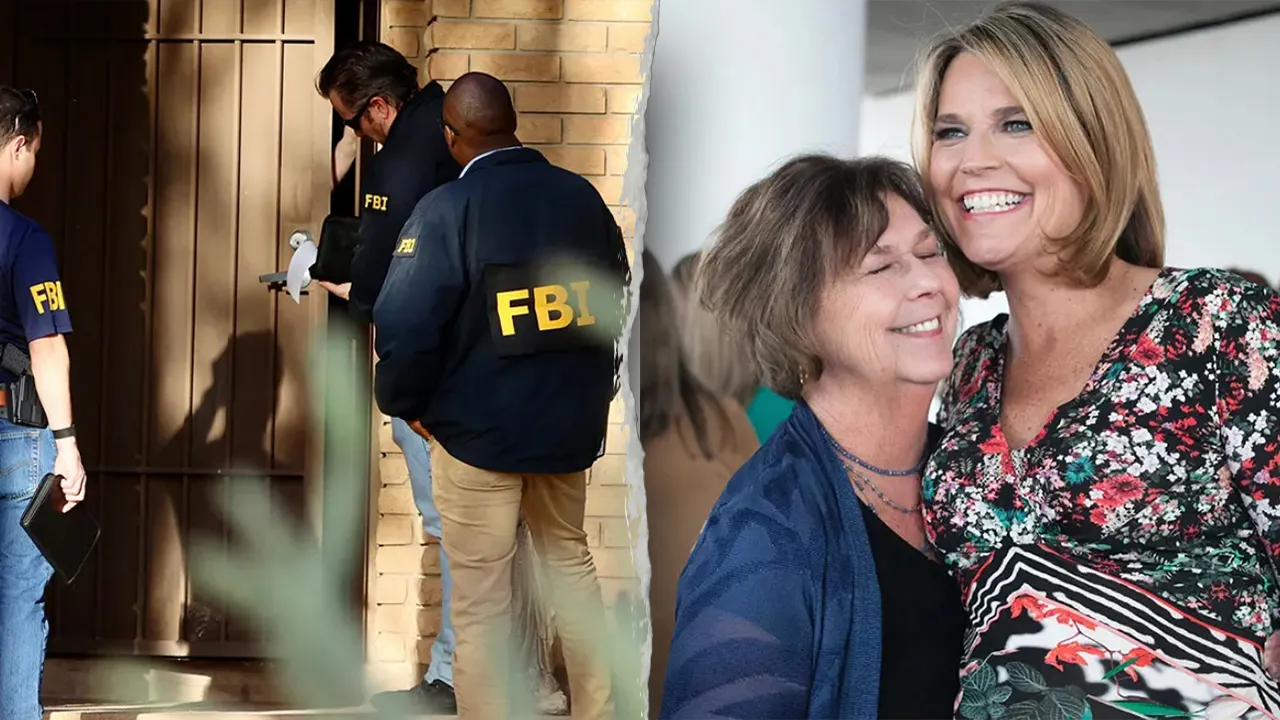
As the days turned into weeks, the Pima County Sheriff’s Department and the FBI shifted gears, reassigning resources to tackle this case head-on. No longer confined to initial patrols and searches, they’ve formed a dedicated task force comprising homicide detectives from the county and seasoned FBI agents. Sheriff Chris Nanos, who hasn’t spoken publicly since February 5, has been tight-lipped amid calls for updates. This pivot reflects the gravity of the situation—Nancy’s age and the visible force implied by the doorbell footage suggest this wasn’t a simple missing person case. For those who know the Guthries personally, it’s heartbreaking to imagine Nancy, who relied on a pacemaker and stayed connected via her iPhone until its last sync moments before her disappearance, enduring what might have been a terrifying ordeal. Savannah, ever the public figure, has quietly urged for information while shielding younger family members from the media frenzy. The community in Tucson rallies with support, but the human toll is evident in whispers at local cafes: “What if it were my mom?” The shift in resources signals hope, yet underscores the frustration of a clock ticking with no breakthroughs, leaving loved ones in limbo and investigators burning the midnight oil.
Digging through an avalanche of information, authorities are wading through tens of thousands of tips—each phone call a glimmer of hope or a false lead that drains emotional reserves. Thousands of hours of video surveillance footage from homes and streets are being scrutinized, frame by exhausting frame. DNA evidence, potentially the key to unlocking the puzzle, remains under active investigation, though details are scarce to prevent compromising the case. That ominous doorbell clip from Nancy’s Nest camera—a glimpse of a suspect’s Ozark Trail backpack and clothing—has been analyzed, but officials haven’t revealed other identifying items. It’s a meticulous process, imagining the detectives huddled in dimly lit rooms, eyes strained from screens, piecing together a narrative from fragments. For the family, each tip represents a collective breath held, wondering if it could bring Nancy home. Neighbors recall Nancy as kind and vivacious, a woman who walked her dogs daily and cherished simple pleasures like gardening. The human side emerges in stories from those who sent leads: a driver spotting a suspicious vehicle, or a neighbor recalling odd activity. Yet, the sheer volume can be overwhelming, testing the resolve of everyone involved, from the passionate civilians to the exhausted law enforcement team working tirelessly to find justice.
One intriguing thread centers on a back road video captured by a Ring camera, about 2.5 miles from Nancy’s home and roughly 7 minutes away by car, leading toward East River Road. This footage, obtained by Fox News Digital and shared with authorities last week, shows vehicles at around 2:36 a.m. on February 1—just eight minutes after Nancy’s pacemaker last synced with her phone. It’s a pivotal moment, potentially depicting the path of an abductor escaping into the night. The road itself is isolated, not a spur-of-the-moment detour but a route requiring deliberate planning, adding layers of intrigue and dread. NBC, Savannah’s network, highlighted the video as still under review, emphasizing its significance. For those following the case, it evokes a visceral chill—picturing a dark highway, headlights piercing the desert gloom, and the possibility of Nancy somewhere in the chaos. This evidence isn’t just data; it’s a snapshot of vulnerability, forcing us to empathize with the fear Nancy might have felt and the urgency her family endures. The video’s release has sparked online discussions, with armchair detectives pouring over details, yet it’s a sobering reminder of the real stakes behind pixels and timestamps.
Experts weighing in bring a human dimension, offering cautious optimism while grounding the excitement. Retired Pima County Search and Rescue Commander Bob Krygier, a seasoned veteran, calls the video “the best lead probably since day one,” urging thorough follow-up on footage spanning weeks to discern patterns versus anomalies. He cautions it might not connect, but his belief in its worth shines through as a testament to methodical policing born from years of experience. Similarly, retired NYPD detective Pat Brosnan and his team analyzed the clip, identifying the vehicle as likely a Kia Soul based on its distinctive slanted roof, unique window shapes, and vertical brake lights—details that could narrow down license plates or owners. These voices humanize the investigation, revealing personalities shaped by real-world challenges: Krygier’s reverence for the terrain (“it’s not just a road you stumble upon”) and Brosnan’s sharp-eye precision. They speak not as distant analysts but as men who’ve chased shadows before, sharing the emotional weight of not just solving crimes but reuniting families. For Nancy’s relatives, such insights provide flickers of hope amidst the gray, imagining pathologists and tech wizards collaborating like a support network. It underscores the collaborative spirit in true crime, where everyday experts aren’t heroes but empathetic guides navigating a labyrinth of uncertainty.
As the case lingers without resolution, a staggering $1 million reward stands as a beacon for collaboration, its value untouched by claimants yet. Offered collectively by sources driven by compassion, it represents the outpouring of a community and nation united in grief. Authorities plead for anyone with information to reach out via the dedicated tip line—1-800-CALL-FBI—emphasizing that even seemingly minor details could crack the mystery. This call to action personalizes the story, inviting listeners to participate through their phones, fostering a sense of shared humanity. For Savannah, forging ahead professionally while grappling privately, it’s a lifeline; for Nancy’s friends, a chance to honor her memory. The article teases expansions like following the Fox True Crime team on X and signing up for newsletters, bridging digital engagement with real-world urgency. Ultimately, this saga reminds us of life’s fragility—how one quiet evening can unravel into a protracted search for truth. Nancy Guthrie’s story, echoing through Tucson and beyond, urges vigilance and kindness, transforming a news piece into a poignant reminder of our interconnected lives and the enduring quest for closure. In a world where voices can be listened to via apps, stories like hers demand our attention, amplifying the human cry for justice. The effort continues, fueled by resilience, as families hold onto threads of possibility, praying for the day when answers unveil light from shadow. And in the meantime, we wait, united in thought and hope, for Nancy’s safe return. This isn’t merely an update; it’s a narrative of empathy, where every tip could rewrite heartache into reunion, and every expert opinion rebuilds shattered trust. The desert winds carry whispers of vigilance, reminding us that in the face of darkness, our collective humanity lights the way forward. Resolutions may come, unraveling the mystery like dawn breaking over the foothills, restoring peace to a home forever altered. Until then, the story of Nancy Guthrie resonates as a testament to love’s persistent echo.