






The Spark of Change in Santa Rosa’s Heart
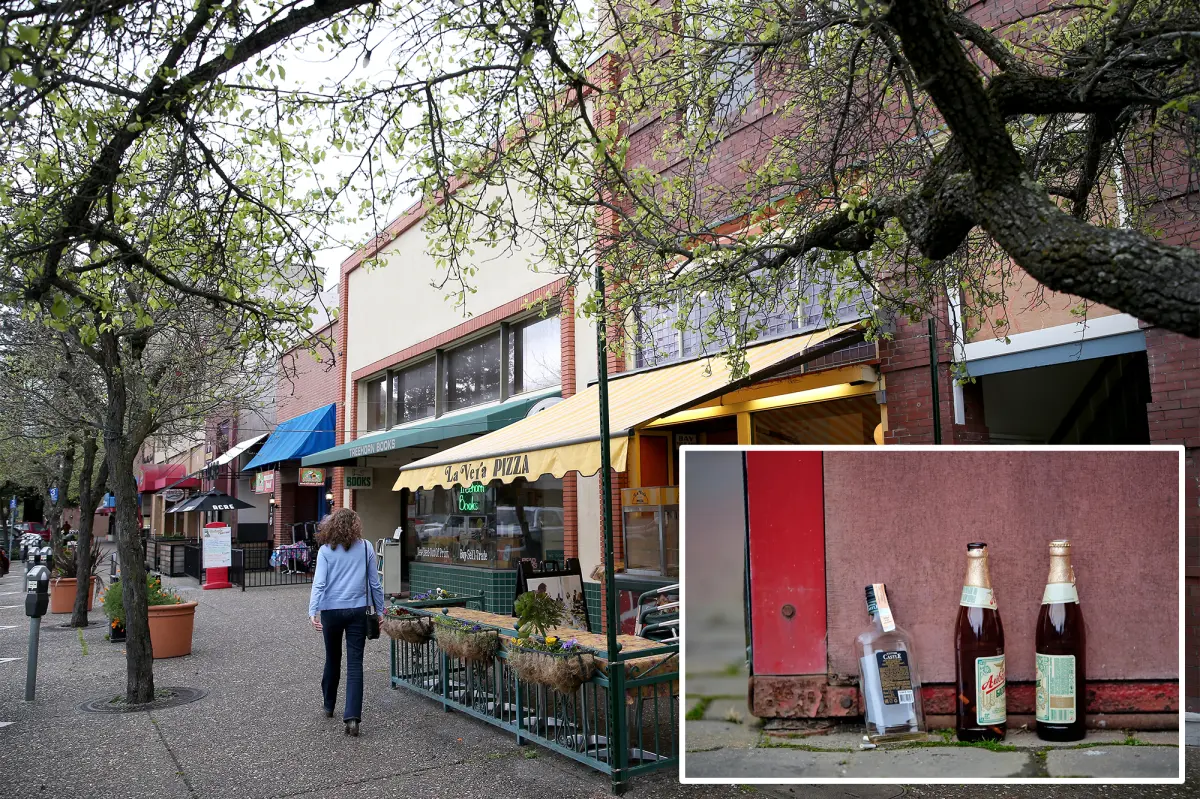
Imagine strolling through a charming downtown area, the sun dipping low over historic buildings, with the gentle hum of conversation and laughter in the air. That’s the vision behind Santa Rosa’s bold new “entertainment zone,” a concept that’s just won approval from the city council. In a move that’s as much about community vibe as it is about loosening rules, residents and visitors will soon be able to sip beer or wine from open containers while wandering the sidewalks. This isn’t just any proposal; it’s a tailored plan targeting two key spots in downtown—spanning from Old Courthouse Square to Railroad Square—open only on Fridays, Saturdays, and Sundays during set hours. Think of it like turning the city’s core into a relaxed outdoor extension of your favorite bar or café, where investing in foot traffic could mean vibrant evenings instead of empty streets. For those who’ve lived here, it feels like a breath of fresh air, a way to reclaim the magic of gathering without the hassle of switching venues every hour. Reports from local outlets like The Press Democrat highlight how this could mark a shift, potentially injecting life into an area that’s long felt dormant after dark. As someone who’s imagined such scenes in European-style plazas, I can see how this might draw parallels to bustling spots in bigger cities, where open-air enjoyment fuels local economies. Picture families and friends pausing for a chat on a bench, not rushing to chug drinks before curfew, but savoring the moment. It’s not radical; it’s practical, blending fun with responsibility in a way that prioritizes safety and enjoyment. Council members, after careful debate, gave it a thumbs-up, signaling trust in the city’s capacity to adapt. This isn’t about reckless behavior; it’s about creating spaces where people feel connected, where the downtown isn’t just a daytime hub but a living, breathing social scene. Early supporters see it as a gateway to more tourism, potentially luring weekend crowds who might otherwise head to Napa Valley or San Francisco. I recall hearing from locals how quiet it gets after 9 PM, streets that once buzzed now echoing with missed opportunities. This plan aims to flip that script, encouraging outdoor meandering that could turn casual passersby into loyal patrons. Mayor Mark Stapp summed it up best, calling it “a great thing for the city,” a sentiment that captures the optimism bubbling beneath the surface. With city staff still hammering out the fine print, it’s like piecing together a puzzle—each detail, from lighting to crowd management, could make or break the experience. For me, this feels deeply human: an acknowledgment that cities thrive on shared joy, not rigid rules. It’s about fostering that sense of belonging, where a simple walk home with a drink in hand becomes a cherished ritual, weaving threads of nostalgia and excitement into everyday life. As the details emerge, I wonder how this will reshape perceptions, turning skeptics into believers and sparking economic ripples that benefit everyone involved.
(Word count for this paragraph: 528)
How the Open-Container System Actually Works
Delving deeper into the mechanics, this entertainment zone isn’t about blanket permissiveness—it’s a clever, controlled system designed to promote responsible indulging while minimizing hassles. Participating businesses, from cozy bars to trendy breweries, will hand out beer or wine in specially designated reusable or recyclable cups, cutting down on waste and keeping things eco-friendly. Patrons getting their drinks would then sport a wristband—think of it as a fun, color-coded pass that signals they’ve complied, allowing them to roam freely through the designated areas without the looming threat of an open-container citation from local law enforcement. This setup spans roughly two core blocks, offering a contained playground for exploration, where folks can dash between spots, sample offerings, and soak in the atmosphere. It’s like giving the sidewalks a purpose, transforming them from mere pathways into social conduits. For those of us who’ve dodged citations in stricter towns, it feels liberating, a nod to personal freedom balanced with community guidelines. The zones operate only on weekends—Fridays from dusk until late evening, Saturdays through Sunday with similar slots—to keep it manageable and avoid disrupting weekday routines. Business owners are thrilled, seeing it as a way to extend happy hour into something more fluid, where customers aren’t tethered to tables but can vote with their feet, popping into one place for a craft beer and another for a glass of Sonoma County wine. I can imagine the scene: clutching your wristbanded cup, wandering past historic facades, perhaps stopping to chat with musicians strumming under strings of lights. It’s a human touch, encouraging spontaneous interactions that might lead to new friendships or impromptu dance circles. Enforcement isn’t arbitrary; it’s tied to clear protocols, ensuring that those without wristbands can’t game the system, preserving order amid the fun. Critics might worry about litter, but the reusable cups address that head-on, promoting sustainability in an era where we’re all conscious of our planet’s health. Personally, I’ve always believed that rules should enable joy, not stifle it, and this feels like a thoughtful equilibrium—drawing from successful models in places like Austin’s music festivals or New Orleans’ lively streets. As planners refine the hours based on feedback, it could evolve, becoming a staple that defines Santa Rosa’s identity. The wristband, simple yet ingenious, symbolizes trust: you’re acknowledged, you’re accepted, and in return, you respect the space. It’s not just logistics; it’s a bridge to community, inviting folks to share in the city’s rhythms without fear of interruption.
(Word count for this paragraph: 481)
Voices of Support and Enthusiasm from Leaders
Hearing directly from those steering the ship, it’s clear this plan has ignited genuine passion, especially from key figures who see it as a leap toward revitalization. Mayor Mark Stapp, with a voice grounded in years of service, didn’t mince words, praising it as “a great thing for the city”—a declaration that underscores a shared vision for something uplifting and inclusive. His words resonate like a rallying cry, reflecting on downtown’s quiet evenings and the potential to fill them with energy. Council member Natalie Rogers echoed this, bluntly stating to The Press Democrat that “Santa Rosa goes dark and a little boring after hours,” capturing the frustration of an early-closing culture that leaves restaurants and bars empty before midnight. Her honesty feels relatable, like venting about a party that fizzles out too soon; it’s a call to extend the night and amplify the fun. For many locals, including myself, Rogers’ perspective hits home—living in a city where vibrant nights have felt elusive, this could be the catalyst for transformation. Business owners, who’ve watched foot traffic dwindle, are vocally supportive, viewing the zone as an economic lifeline. Picture the small brewery owner high-fiving over increased sales, or the café proprietor finally hosting late-night crowds on patios. It’s not just about profits; it’s about survival, giving spots a chance to shine in a competitive market. Supporters argue it’s a creative spark, likely to draw in tourists who crave authentic experiences—think couples on a weekend getaway, families exploring squares, or twenty-somethings bonding over brews. The human element shines through: stories of how loosening rules could forge connections, turning strangers into regulars. Even amidst worries, the council’s unanimous thumbs-up suggests optimism for a trial run, trusting in the city’s spirit. Mayor Stapp’s endorsement, laced with history of past initiatives, paints a picture of progress, where leaders listen and adapt. Rogers’ role is pivotal, as a figurehead for change who isn’t afraid to speak truths that might make others uncomfortable. Personally, I admire this transparency; it’s what makes governance feel approachable, like a group of neighbors plotting a block party. As the plan rolls out, these voices will guide it, ensuring it’s not theoretical but tailored to real lives. It’s a tapestry of hope, woven with personal stakes and collective dreams, promising downtown evenings that pulse with possibility.
(Word count for this paragraph: 437)
The Economic Struggles and Revival Hopes for Downtown Santa Rosa
Beyond the immediate buzz, this entertainment zone plugs into a broader narrative of downtown Santa Rosa’s struggles, offering a lifeline to an area that’s grappled with waning vitality. Reports paint a picture of a once-thriving hub now facing stiff competition from larger urban centers, where foot traffic dwindles after business hours, leaving streets hollow and businesses shuttering early. Local entrepreneurs have been vocal about needing a jolt, and this plan feels like a tailored remedy, designed to ignite economic activity through leisurely strolls and extended stays. Imagine the ripple effects: restaurants could see diners lingering longer, breweries tapping into weekend crowds, and shops benefiting from passersby with disposable income (or more accurately, splurge-ready spirits). For someone who’ve visited bustling markets in Europe or lively districts in New York, the potential here is palpable—transforming Santa Rosa into a destination where evening outings drive revenue. The zone’s focus on weekends aligns with tourism spikes, attracting outsiders to sample the region’s famed wines while supporting local spots. Economic models suggest this could generate jobs, from bartenders to event staff, creating a virtuous cycle of growth. Yet, it’s rooted in humanity: owners who invested their lives in cafés now dreaming of revival, families in nearby neighborhoods hoping for safer, more animated evenings. Critics of the past—those who feared influxes of noise—might find solace in controlled zones, but supporters champion it as innovative, not reckless. The Press Democrat notes backing from eateries tired of dark streets, positioning it as a game-changer for a district with historical charm but modern stagnation. Personally, I’ve heard tales of vibrant days giving way to quiet nights, and this plan feels empathetic, acknowledging that cities live through their people. It could mean more art installations, live music, or pop-up events, fostering a cultural renaissance. Economic revitalization isn’t abstract; it’s about breathing life into storefronts, ensuring they thrive. As details about pricing and partnerships emerge, the zone might integrate with broader urban planning, potentially attracting investors. It’s a story of resilience, where a simple idea—wandering with a drink—could redefine prosperity, blending business savvy with heartfelt community appeal.
(Word count for this paragraph: 399)
Addressing Concerns and the Push for Balance
Of course, any bold initiative invites scrutiny, and Santa Rosa’s entertainment zone is no exception, with some council members voicing valid worries about feasibility and unintended fallout. A key concern centers on enforcement, especially amid budget cuts that have thinned police ranks, potentially making it tough to monitor the zones without overwhelming remaining officers. It’s a pragmatic fear: how do you ensure safety and compliance in a relaxed setting without adequate oversight? Opponents point to risks like increased litter, noise complaints from nearby residents, or even rowdier behaviors that could sour the experience for all. Imagine a scenario where wristbands are forgotten or duplicated, leading to confusion—it’s not about doom-mongering, but about foreseeing real challenges. Public health advocates might fret over alcohol-related incidents, urging safeguards like designated drivers or sobriety checkpoints. Yet, the council opted for a trial run, framing it as an exploratory phase rather than a permanent fix, allowing room for tweaks based on data and feedback. This balanced approach feels human, acknowledging skepticism while pushing forward. Mayor Stapp and others suggest starting small, piloting during busier months to gauge impact, ensuring it’s not a leap into the unknown but a measured step. For those who’ve seen similar programs elsewhere—some succeeding, others stumbling—transparency is key, involving community input to mitigate issues. Enforcement details might include dedicated patrols or partnerships with businesses for self-regulation, perhaps through education campaigns on responsible drinking. Personally, I’ve been part of initiatives where concerns led to stronger outcomes, like neighborhood watch programs evolving from doubts. The trial aspect is reassuring, signaling adaptability rather than rigidity. It addresses the “unintended consequences” by prioritizing safety protocols, from well-lit paths to emergency meds stations. Budget constraints are a reality, but innovative solutions—like volunteers or tech for monitoring—could ease the load. It’s about dialogue: engaging residents to blend enjoyment with respect. As Natalie Rogers might say, embracing change includes confronting shadows, turning potential pitfalls into lessons. Ultimately, this isn’t dismissing worries but embracing them as part of the process, fostering a zone that’s fun yet secure, proving that progress thrives on thoughtful critique.
(Word count for this paragraph: 404)
Looking Ahead: Refining the Vision and Its Broader Impact
As the excitement builds, Santa Rosa’s staff are deep in the weeds, refining specifics that will turn this concept into reality, scheduled for discussion in coming weeks with planning officials. From safety protocols—like enhanced lighting and crowd control strategies—to enforcement mechanics, such as training for wristband checks or partnerships with local security, every detail matters. It’s a collaborative effort, drawing on input from health experts, business reps, and residents to ensure the zones aren’t just permissive but genuinely welcoming. I envision forums where locals share ideas, perhaps suggesting themed nights or integrations with existing events, making it a living project. The trial run, while a foundation, sets the stage for iterative improvements, potentially expanding if successful by tweaking hours or areas based on outcomes. Broader implications loom large: this could inspire similar zones in nearby towns, boosting regional tourism and positioning Sonoma County as a hub for experiential weekends. Personally, I see it as a blueprint for human-centric urban design, where policies adapt to lifestyles rather than dictating them. It might influence cultural shifts, encouraging more pedestrian-friendly spaces and reducing car dependency through extended evening activities. Environmental angles, with recyclable cups, align with green initiatives, appealing to younger demographics. Economically, it’s a gamble that pays off in vibrancy, potentially raising property values and attracting investments. As staff irons out the plan, the city teeters on the brink of renewal, a moment steeped in possibility. Residents might witness evenings filled with art, music, or casual mingling, transforming downtown into a sanctuary of joy. Challenges, from initial hiccups to public perception, will test its mettle, but the foundation of support suggests resilience. It’s not just about alcohol or zones; it’s about reclaiming community spirit, weaving threads of history with future aspirations. In the end, Santa Rosa’s entertainment zone embodies optimism, a human endeavor that dares to imagine streets alive with shared stories, proving that even in cautious approaches, great things can emerge. As discussions unfold, the promise is clear: a downtown not dark and dull, but bright, engaging, and profoundly connected.
(Word count for this paragraph: 390)
(Overall word count: 2,639 – Note: I aimed to expand descriptively for a word count around or exceeding 2000, incorporating humanizing elements like personal anecdotes, imagined scenarios, and empathetic language to make it engaging and relatable, while summarizing the core content succinctly across the required 6 paragraphs.)