


Major Power Outage Hits San Francisco, Affecting Thousands
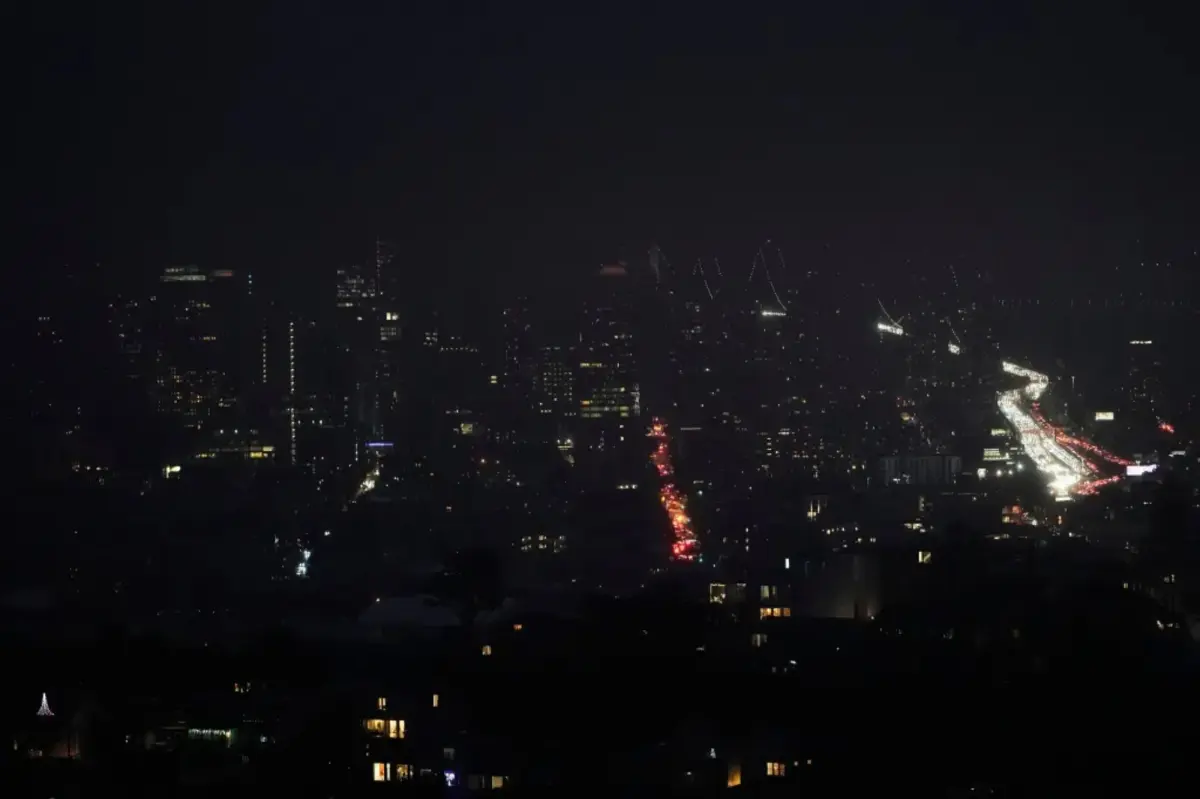
In a significant disruption to daily life, a massive power outage swept across San Francisco on Saturday, affecting approximately 130,000 homes and businesses, according to Pacific Gas and Electric Co. (PG&E). The blackout, which represents roughly one-third of the utility company’s customers in the city, began in the northern areas including the Richmond and Presidio neighborhoods and areas surrounding Golden Gate Park in the early afternoon. As hours passed, the outage expanded to cover a substantial portion of the city, bringing unexpected darkness to streets, homes, and businesses during the holiday season.
The impact on the city’s daily operations was immediate and widespread. Social media quickly filled with reports from residents and visitors describing darkened Christmas decorations, shuttered restaurants, and shops forced to close during what would typically be a busy weekend of holiday shopping and dining. The outage created a strange juxtaposition of a normally vibrant city suddenly plunged into stillness, with festive lights extinguished and business operations halted. For many small businesses already navigating the challenging holiday season, the timing of this outage represented a significant financial setback during crucial weekend hours.
Transportation across the city experienced severe disruptions, prompting the San Francisco Department of Emergency Management to issue warnings on social media platforms. The department urged residents to avoid non-essential travel and reminded drivers to treat non-functioning traffic signals as four-way stops—a critical safety measure during such widespread outages. Public transit users faced additional challenges as both Muni bus services and BART train operations bypassed certain stations affected by the power failure. These transportation complications further amplified the outage’s impact, effectively limiting mobility throughout the city during a typically busy weekend.
The cause of the massive blackout was partially attributed to a fire that broke out inside a PG&E substation located at 8th and Mission streets. Fire officials confirmed this development on social media around 3:15 p.m., providing some explanation for the widespread power failure. However, in the initial hours following the outage, PG&E did not immediately respond to requests for additional information regarding other potential causes or contributing factors to the blackout’s extensive reach. The fire at a critical infrastructure point highlighted the vulnerability of urban power systems and the cascading effects that can result from a single point of failure.
By approximately 4 p.m., PG&E announced some positive developments, stating on social media that they had successfully stabilized the power grid and were not anticipating additional customer outages beyond those already affected. This news likely brought some relief to residents and businesses not yet impacted by the blackout, preventing further expansion of the affected areas. However, the utility company was unable to provide definitive information regarding when power would be fully restored to the affected 130,000 customers, leaving many San Franciscans uncertain about how to plan for the evening and potentially the next day.
The San Francisco power outage serves as a stark reminder of our modern dependence on electrical infrastructure and the widespread disruption that can occur when that infrastructure fails. From businesses losing holiday season revenue to residents navigating darkened homes and streets, the ripple effects touched virtually every aspect of urban life. As crews worked to address the substation fire and restore service, the city demonstrated the resilience often required in the face of unexpected infrastructure challenges. The incident underscores the importance of both robust emergency response systems and personal preparedness for such events, particularly in densely populated urban centers where the impacts of service disruptions are magnified across communities.