





The Spark of Chaos in Rancho Santa Fe
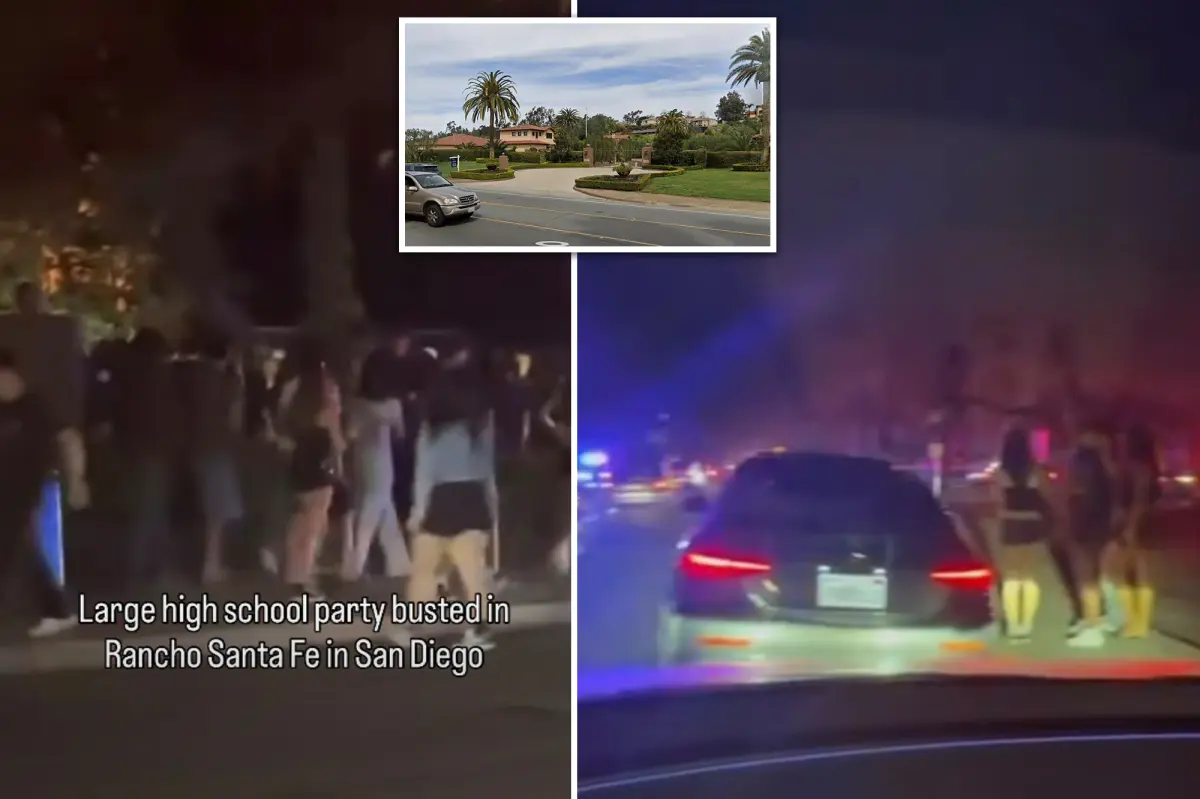
It was just another Saturday night in the posh, tranquil neighborhoods of Rancho Santa Fe, where the air usually carries the faint scent of eucalyptus and ocean breezes rather than the pulse of wild energy. But on this particular evening, things took a turn that no one saw coming. Somewhere on El Apajo Road, a group of thrill-seeking kids—mostly teenagers, by all accounts—decided to throw a party unlike any the area had witnessed. What started as whispered invitations shared across smartphones soon morphed into something massive. Hundreds of young revelers, dressed in the latest trends, sneakers slapping against pristine driveways and laughter echoing through the manicured streets, flooded the vicinity. You could almost picture the scene: cars bumper-to-bumper, windows down blasting music that rattled windows blocks away. These weren’t just ordinary teens; they were the digital generation, fueled by TikTok hype and the allure of forbidden fun. Rumors swirled online that the bash was crashing a luxurious $16 million mansion up for sale, its empty halls imagining echoes of champagne toasts and selfies against marble staircases. But reality was messier—a rented home next door became ground zero, its backyard transformed into a makeshift dance floor under string lights that flickered like fireflies gone rogue. The renters, probably regulars in the shadow of privilege, had thrown open the gates, dreaming of viral glory without reckoning the ripple effects. It was the kind of gathering that felt exhilarating at first, a rebellion against the monotony of suburban life, where fenced yards and quiet evenings gave way to this explosion of youth. Neighbors peeked from behind curtains, some amused, others alarmed, as the party swelled beyond control. The “kids,” as deputies later called them, roamed like a tide, spilling from the property onto neighboring lawns. Age was a mystery; whispers suggested a mix of high school seniors and younger ones sneaking in, the line between innocent hangout and unruly mob blurring with each passing hour. In a community where homes are valued at fortunes and peace is the currency, this invasion felt like a jolt from reality—proof that even the most insulated enclaves aren’t immune to the chaos of coming-of-age celebrations.
The Call for Help and the Rush of Uniforms
As the sun dipped below the horizon, casting long shadows over the San Diego hills, the noise crescendoed. Calls began flooding emergency lines shortly after 8 p.m., disturbing the symphony of crickets and distant traffic. A homeowner, perhaps battling insomnia or simply out for a late walk, spotted the gathering and hit dial. The San Diego County Sheriff’s Office sprang into action, deputies itching their radios and flipping on sirens as they sped toward El Apajo Road. The neighborhood, known for its equestrian estates and gated communities, wasn’t used to such commotion—think of it as a peaceful lake suddenly churned by an unexpected storm. Upon arrival, officers faced a bewildering sight: throngs of kids darting through yards, some holding red Solo cups, others perched on fences snapping photos for Instagram. Fireworks lit the sky moments later, brilliant bursts of color that should have been festive but sent the deputies scrambling for safety protocols. “This isn’t a parade,” one officer might have muttered under breath, recalling past busts where controlled gatherings devolved. Backup came roaring in—the California Highway Patrol with their cruisers gleaming under streetlights, and San Diego Police Department units adding to the convoy. It was a coordinated dance of law enforcement, vehicles lining the streets like a barricade against the chaos. The air hummed with urgency, deputies exchanging glances that spoke volumes: these weren’t hardened criminals, just young folks caught in the thrill of the moment. Equipment crackled with chatter, plans forming on the fly as they assessed the crowd’s mood. Some kids looked defiant, clutching phones like shields, while others began to scatter at the sight of flashing lights. The escalation was palpable—fireworks detonating like warning shots, drawing in more eyes and escalating the stakes. In the deputies’ eyes, this was more than a party; it was a symptom of a broader trend, where social media rebellions clashed with real-world consequences.
The Heart of the Frenzy: Kids in the Spotlight
Diving deeper into the mayhem, it becomes clear this wasn’t just underage drinking or loud music—it was a snapshot of Gen Z defiance. The attendees, clustered in groups of giggling friends and unknown clusters, pulsed with energy as they navigated the upscale terrain. Videos on social media captured the essence: streams of people weaving through the streets, their laughter mingling with bass thumps that the wealthy homeowners paid fortunes to avoid. Most, as informally dubbed by authorities, were just “kids”—a vague term encompassing minors whose ages teetered on the edge of adulthood. There was no clear adult supervision; if any were present, they lurked in shadows, perhaps the elusive 21-year-olds fanning the flames. The party boasted a “strict security” promise on its digital flyer, a flyer that had virally exploded across platforms like wildfire. Promising a cover charge and “hundreds expected,” it lured in the curious, drawing from nearby schools and online cliques. Inside, the rented home morphed into a labyrinth of disorder—empty rooms echoing with shouts, kitchens stocked with contraband, and yards littered with the remnants of joyrides. Fireworks changed everything, though; their launch was like poking a sleeping giant, showers of sparks raining down and panicking nearby residents. Deputies described the crowd as elusive, kids slipping away like eels, agility born from countless video game escapes. It humanized the chaos: these weren’t faceless troublemakers but dreamers chasing fleeting highs. One girl, clutching a friend’s arm, might have felt the adrenaline spike as lights flashed; another boy, eyeing the mansion next door, dreamed of ownership fantasies. The realtor for the $16 million property issued denials, clarifying the bash was neighborly—not in her pristine listing, which awaited a glamorous auction. Yet, the proximity blurred lines, aspirational vibes fueling the myth. In this clash of wealth and youth, the party embodied a rite of passage, messy and memorable, where consequences lurked just beyond the fun.
The Long Slog to Restore Order
The standoff dragged on, a testament to youthful stubbornness and authority’s resolve. From the initial 8 p.m. alert, it took nearly two painstaking hours to quell the storm. Deputies, exuding the kind of patient stoicism honed over decades, alternated between cordial dispersals and firmer commands. “This isn’t the place,” they’d say, voices amplified through bullhorns, urging the crowd to splinter. Cars were redirected, pockets of revelers coaxed out from hiding spots like behind hedges or in garages. The Highway Patrol’s presence added gravitas, their marked vehicles a visual deterrent, while SDPD officers manned the flanks, addressing hotspots with precision. Fireworks had been the tipping point, prompting a heightened response—evacuating the area wasn’t glamorous; it was methodical, one group at a time. Parents began arriving, summoned by frantic texts, their faces cycling from worry to embarrassment as they identified children. “What were you thinking?” a father might hiss, bundling a son into the car. For the deputies, it was tiresome labor: checking IDs, ensuring no one was injured, and documenting the aftermath—littered streets and subdued murmurs. The rented home’s owner emerged, apologetic but defiant, explaining it started small but snowballed autonomously. In clearing the scene, officers humanized the ordeal with empathy; these kids weren’t villains, just misguided by digital dares. The process mirrored a complex puzzle, each piece—the dispersing crowd, confiscated items, and eventual silence—fitting into place. By midnight, the road breathed easy again, a veneer of normalcy returning to the enclave. Yet echoes lingered: What about the next event? The night’s marathon was a reminder that peace in privileged pockets requires vigilance.
The Invisible Hand: Social Media’s Role
Beneath the surface spectacle lay a digital underbelly fueling these underground extravaganzas. The party wasn’t born of whim; it was orchestrated through social media, where anonymous accounts planted seeds of rebellion. A flyer, slick and enticing with promises of “hundreds expected” and a cover charge for exclusivity, circulated like a virus—shared in private groups, reposted on Insta, and whispered in DMs. Lt. Cesar Jimenez of the San Diego Police Department spoke candidly about the cat-and-mouse game: detectives monitor these streams, tracking promoter accounts that pop up, hype events, and vanish like smoke. “They change handles a lot,” he noted, frustration bubbling in his tone—a dance where one avatar dies and another rises. For the kids involved, social media was the gateway: excitement amplified by filters, real-time updates turning the party into a live stream. Clips showed attendees flaunting their readiness, building hype that inflated the turnout. But it also betrayed them; snapped videos became evidence, circulating online and alerting authorities. This aspect humanizes the narrative—it’s not just reckless youth but a product of algorithmic temptation. Parents, scrolling feeds, might spot their child’s face in the crowd, sparking panic. The flyer boasted “strict security,” a facade that crumbled under scrutiny, revealing vulnerabilities in a world where privacy is a myth. Jameson emphasized proactive tracking: spotting patterns, predicting parties before they erupt. In Rancho Santa Fe’s case, intelligence paid off; prior shares flagged the event, shortening response times. Social media, once a connecting thread, now wove webs of accountability, turning teen thrills into teachable moments about consequences.
Lessons from the Night and Ongoing Vigilance
As dawn broke over San Diego, the El Apajo Road incident faded into anecdote, but its lessons endured. Authorities reflected on the blend of innocence and recklessness, a party that could’ve harmed lives if not swiftly contained. The hundreds of “kids”—identities murky, impacts personal—reminded officials of generational divides. Efforts to curb such events intensify; digital vigilance crosses departmental lines, with shared intel from CHP and SDPD. Lt. Jimenez’s words echoed resolve: monitor the invisible promoters, adapt to their chameleonic tactics. For the community, it sparked dialogue—parents grilling kids about online influences, neighborhoods advocating stricter gatherings. Humanely, it highlighted empathy: these revelers weren’t monsters, but explorers testing boundaries in a high-stakes playground. The rented home’s aftermath—a cleaning crew mopping up messes—symbolized fleeting folly. Rancho Santa Fe, unscathed physically, emerged wiser, its quiet resilience underscored by the night’s disruption. Parties like this, born of whispers and screens, challenge stability, but with awareness, they can be preempted. Ultimately, the story is one of youthful exuberance clashing with responsibility, a narrative unfolding in every town. As social pages evolve, so too must protections, ensuring safe spaces for growth. In the end, that Saturday night’s frenzy wasn’t just chaos; it was a call to balance freedom with foresight, humanizing the law’s imperative to protect. Communities, armed with stories like this, fortify against future tides.