





“Dr. Antifa” to Teach Communism Seminar at Rutgers Despite Controversy
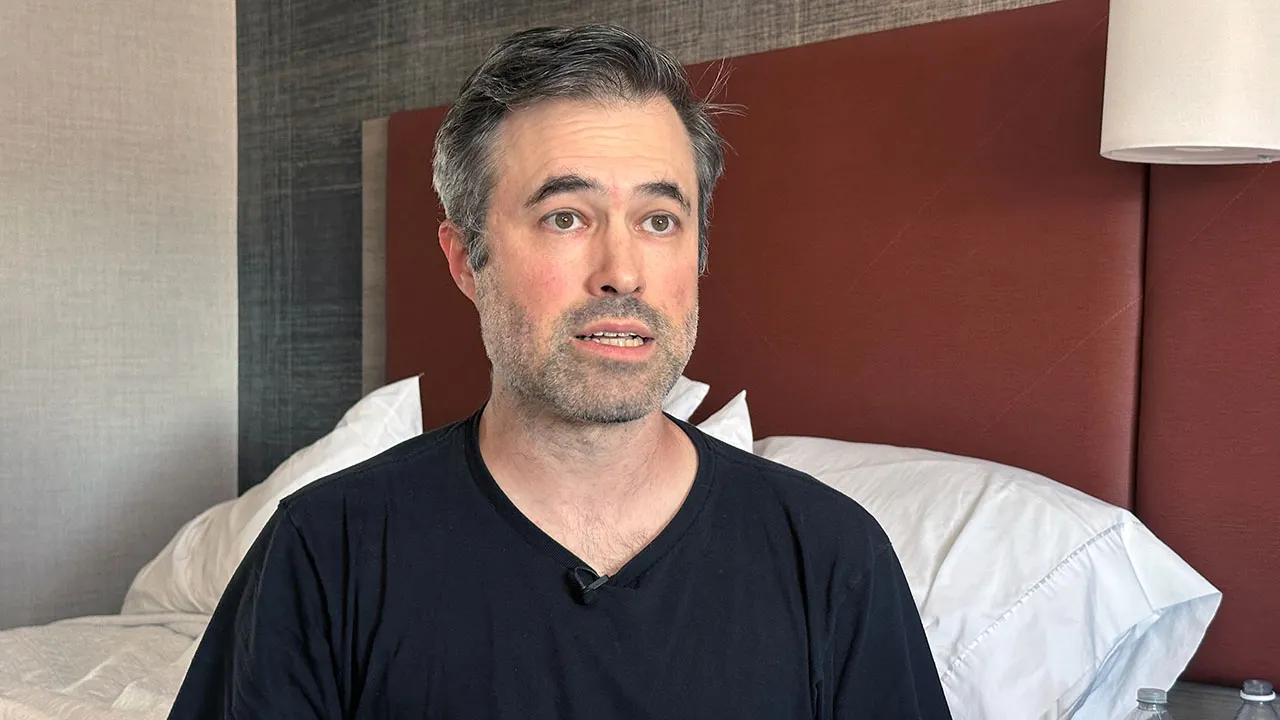
Mark Bray, a Rutgers University professor who gained notoriety for his connections to Antifa and fled the United States earlier this year amid controversy, is scheduled to teach a history seminar on communism next spring. The news comes from a recent social media post by the Rutgers University history department, which promoted the upcoming course “Communism” as one of its History Seminar options for juniors and seniors. This development has raised eyebrows given Bray’s contentious background and the recent scrutiny he has faced from conservative student groups and media outlets.
Bray became the center of a heated campus debate in October when the Rutgers Turning Point USA chapter initiated a petition calling for his removal from the university. The professor gained his “Dr. Antifa” nickname due to his authorship of “Antifa: The Antifascist Handbook,” a work that advocates for “militant anti-fascism” and openly states that at least half of its proceeds would go to the International Anti-Fascist Defense Fund. This fund is administered by hundreds of Antifa members across multiple countries, which critics point to as evidence of Bray financially supporting an organization now designated by the U.S. government as a domestic terror group. The controversy intensified as his ties to Antifa received widespread media attention, leading to what Bray described as doxxing—the public exposure of his personal information—which ultimately prompted him and his wife to relocate to Spain for their safety, though ironically, his own book presents doxxing as an acceptable tactic in fighting fascism.
The history seminars at Rutgers are known for their intimate educational environment, capping enrollment at just 15 students per class and requiring substantial research papers for course credit. According to the university’s history department website, these seminars cover diverse chronological periods and geographical areas, with topics selected by faculty based on their research expertise. In addition to the communism course, Bray is also slated to teach a seminar titled “Fascism and Nazism” in March 2025, which will explore the history and ideology behind the regimes of Mussolini and Hitler, as well as their lasting influence on white supremacist movements throughout subsequent generations.
The university’s decision to allow Bray to continue teaching these politically charged courses comes at a time when many academic institutions are grappling with questions about the boundaries of academic freedom and the role of politically active professors. As of October, Bray was conducting his classes online from overseas, raising questions about how the university is handling the situation and what measures, if any, are being taken to address the concerns raised by students and outside observers. The Rutgers chancellor had previously launched a safety review and created an “academic freedom” task force in response to the uproar surrounding Bray, but the upcoming course assignments suggest that the university is standing by the controversial professor.
This situation at Rutgers exemplifies the broader tensions playing out on American college campuses regarding free speech, academic freedom, and political activism among faculty. Supporters of Bray might argue that his expertise on radical political movements makes him uniquely qualified to teach about communism and fascism from a historical perspective. Critics, however, contend that his personal involvement with and advocacy for Antifa raises legitimate questions about his objectivity and whether students will receive a balanced education on these sensitive topics. The controversy also highlights the growing polarization in academia, where discussions about political extremism—whether from the left or right—have become increasingly difficult to navigate without triggering accusations of bias or indoctrination.
Neither Rutgers University officials nor Professor Bray responded to requests for comment on the upcoming course assignments or the ongoing controversy surrounding his position at the university. As the spring semester approaches, it remains to be seen how this situation will develop and what impact it might have on campus discourse, student enrollment in Bray’s courses, and the broader conversation about the role of political activism in academic settings. What is clear, however, is that the debate over Professor Bray’s place at Rutgers is far from resolved, and his scheduled return to teaching these particular subjects ensures that discussions about academic freedom, faculty responsibility, and political extremism will continue to be at the forefront of campus conversations.