




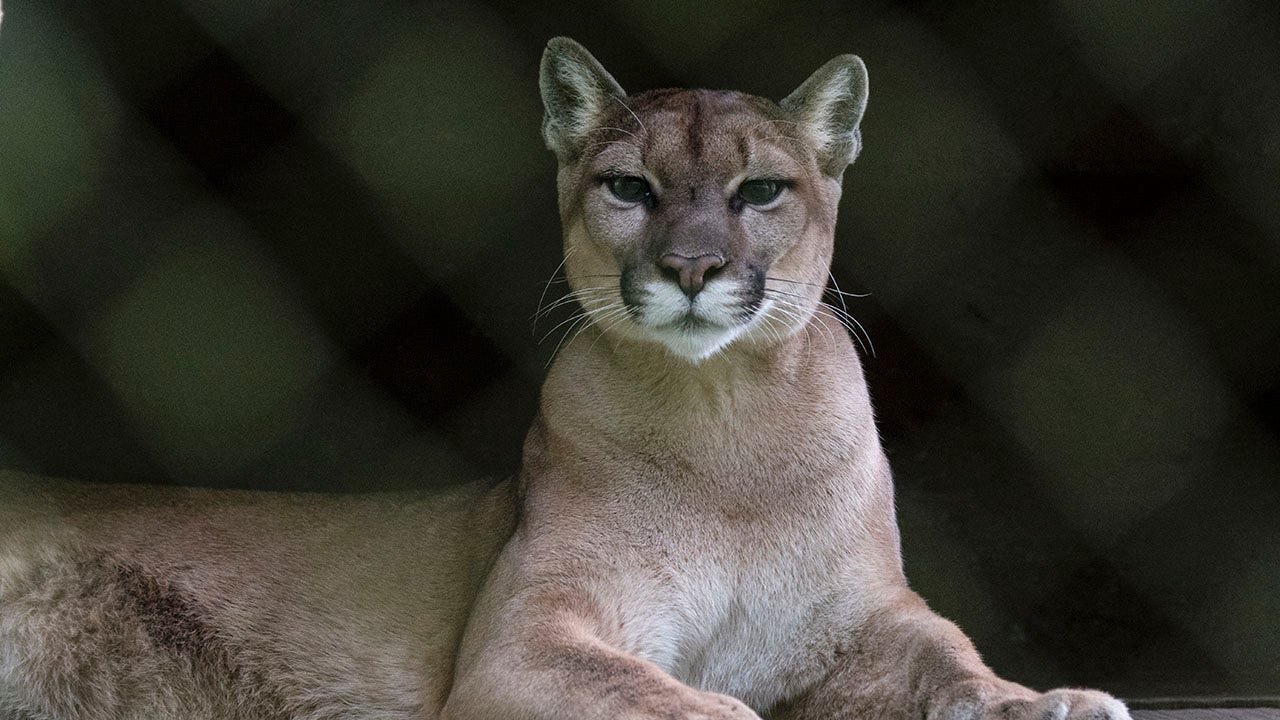
Close Call Underscores Hiking Danger: Recent Mountain Lion Attack in Colorado
In a tragic turn of events, a hiker was killed in a suspected mountain lion attack on New Year’s Day in northern Colorado, marking the first fatal incident of this nature in the state in over 25 years. This attack follows a near-miss experience by runner Gary Messina on the same Crosier Mountain trail just weeks earlier. Messina recounted his harrowing experience with remarkable clarity, describing how a mountain lion rushed him during his early morning run in November. “I had to fight it off because it was basically trying to maul me,” Messina told The Associated Press. “I was scared for my life, and I wasn’t able to escape.” In desperation, he threw his phone at the animal as it circled behind him, eventually fighting it off by striking it with a broken stick. He believes this could have been the same animal involved in the fatal New Year’s Day attack.
The more recent incident occurred when hikers spotted a mountain lion near a person lying on the ground from approximately 100 yards away. Colorado Parks and Wildlife spokesperson Kara Van Hoose confirmed that the victim had “wounds consistent with a mountain lion attack.” In response, wildlife officials took swift action, killing two mountain lions and continuing to search for a third to test for rabies or other diseases that might explain such unusual aggression. While mountain lion sightings are common in the Rocky Mountains National Park area, attacks—especially fatal ones—are exceedingly rare. The incident represents just the fourth fatal mountain lion attack in North America over the past decade and only the 30th since 1868, according to data from the Mountain Lion Foundation.
The proximity of these two incidents on the same trail raises questions about wildlife management and hiker safety in increasingly shared natural spaces. After Messina’s frightening encounter in November, he reported the incident to authorities, who responded by posting warning signs about mountain lions in the area. However, these signs were later removed. This sequence of events highlights potential gaps in how wildlife encounters are handled and communicated to the public. Byron Weckworth, chief conservation officer at the Mountain Lion Foundation, offers context for these rare but concerning incidents: “As more people live, work and recreate in areas that overlap wildlife habitat, interactions can increase, not because mountain lions are becoming more aggressive, but because overlap is growing.”
These incidents bring into focus the delicate balance between human recreation and wildlife habitat. The Colorado mountains represent pristine wilderness that attracts thousands of outdoor enthusiasts annually, yet they remain the natural territory of predators like mountain lions. For many hikers, the possibility of encountering such animals is part of the wilderness experience, but few are adequately prepared for actual confrontations. Messina’s quick thinking during his encounter—making noise, fighting back, and not running—likely saved his life and aligns with expert recommendations for surviving such encounters. His willingness to share his experience provides valuable lessons for others who might find themselves in similar situations.
Wildlife experts emphasize several critical safety measures for those venturing into mountain lion territory. First, avoid hiking or running during dawn and dusk, when these predators are most active. Travel in groups whenever possible, as mountain lions are less likely to approach multiple people. If you do encounter a mountain lion, maintain eye contact, make yourself appear larger by raising your arms or opening your jacket, speak firmly, and back away slowly without turning your back. Perhaps most importantly, never run, as this can trigger the cat’s instinct to chase. These precautions aren’t meant to discourage outdoor recreation but rather to foster safer coexistence between humans and wildlife in shared natural spaces.
The dual incidents on Crosier Mountain trail serve as somber reminders of nature’s unpredictability and the responsibilities that come with exploring wild places. While the statistical risk of a mountain lion attack remains extraordinarily low, the consequences can be severe when they do occur. For local authorities, these events prompt reflection on communication protocols regarding wildlife dangers and whether temporary trail closures or more permanent warning systems might be warranted in areas with confirmed predator activity. For outdoor enthusiasts, they underscore the importance of wilderness awareness, preparation, and respect. As development continues to push into previously undisturbed habitats across the American West, finding ways to safely share these spaces with their original inhabitants becomes increasingly vital—both for human safety and for the preservation of these magnificent, if occasionally dangerous, wild creatures.