






Tragedy at Bondi Beach: A Community’s Pain and the Aftermath of an Unthinkable Attack
A Devastating Day That Many Feared Would Come
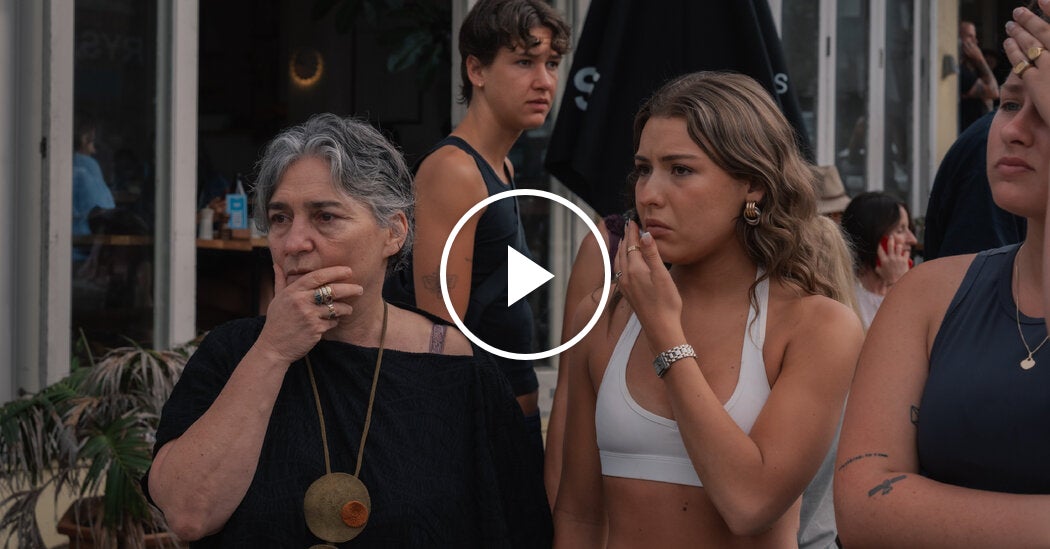
In what has been described as one of the darkest moments in Australia’s recent history, the Jewish community is reeling from an attack that many within their ranks had long feared was possible. The horrific incident that unfolded at Bondi Beach during a Hanukkah celebration has sent shockwaves through the nation, leaving families devastated and a community searching for answers. “It’s a day that I think we were all dreading in the Jewish community. It was the day that we had, I suppose, in many ways, warned government and higher authorities of the possibility and the risk. And it feels almost like we were unheard, almost invisible,” said one community member, their voice heavy with emotion as they recounted the aftermath of the tragedy.
The attack, which occurred at one of Australia’s most iconic locations during what should have been a joyous celebration, has been characterized by some as nothing short of a massacre. “This was a massacre, a pogrom here in our city, here at one of our most cherished landmarks, Bondi Beach. Lives shattered irrevocably in a single moment,” explained a community spokesperson. The human toll is immeasurable – young children who will grow up without a father, parents mourning the loss of their 10-year-old daughter, and countless others who will carry the psychological scars of witnessing such violence. The contrast between the peaceful celebration that the Hanukkah event represents and the violence that erupted could not be more stark, highlighting the profound sense of violation felt by those affected.
Warning Signs and a Community’s Unheeded Concerns
For many in the Jewish community, the tragedy, while shocking in its brutality, did not come without warning. There had been growing concerns about rising antisemitism and potential threats to Jewish gatherings and institutions. “I think everyone knew this was going to happen sooner or later with the trajectory that we were on as a society,” noted one attendee of the event, their words reflecting a sentiment echoed by many others. The annual Hanukkah celebration at Bondi Beach had always been “the most beautiful family event with kids running around” – a joyful community tradition now forever marred by violence.
The sense that these warnings went unheeded has compounded the community’s grief with frustration. Many feel that despite raising concerns with authorities about potential risks, insufficient action was taken to protect them. This perception of being “unheard” and “almost invisible” speaks to a deeper worry within the Jewish community about their safety and place in Australian society. The attack has forced a national reckoning with questions about how effectively Australia is addressing antisemitism and protecting vulnerable communities, as well as whether warning signs of extremism and hate are being taken seriously enough by those in positions of power.
Remembering Eli: A Life of Love and Service
Among those lost in this senseless attack was Eli, remembered by those who knew him as “a really wonderful, warm, caring, vivacious, energetic, outgoing guy, who loved people, loved doing good, loved caring for other people.” His death has left an unfillable void in the lives of his family, friends, and the broader community he served. In sharing memories of Eli, those who knew him speak not just of personal loss but of the community’s loss of someone who embodied the very values of kindness and service that stand in such stark contrast to the hatred that took his life.
A rabbi who knew Eli well reflected on the natural human tendency to respond to such tragedy with anger and blame: “The instant reaction like so many other human beings, is pointing fingers at whoever you might point fingers at with anxiety. Why aren’t the media raising the concerns of the Jewish community? Why aren’t governments understanding the way we feel and the threats that we face?” These questions reflect the profound sense of vulnerability and abandonment felt by many. Yet even in his grief, the rabbi found himself reflecting on what Eli himself might say in such a moment: “My job is to spread goodness. I know this is what Eli would be saying.” This remembrance of Eli’s character and values offers a powerful counterpoint to the hatred that claimed his life, suggesting that even in the darkest moments, his legacy of love and service continues to inspire those who knew him.
A Community’s Isolation and the Call for Understanding
In the wake of the attack, many members of the Jewish community have expressed feelings of isolation and abandonment. “We feel lonely,” admitted one community leader, capturing the sentiment of many who believe their concerns about safety and rising antisemitism have gone unaddressed for too long. This sense of loneliness is particularly painful in a multicultural society like Australia, which prides itself on values of tolerance and inclusion. The attack has exposed gaps in how effectively these values are being upheld when it comes to protecting minority communities from hatred and violence.
The feeling of isolation extends beyond the immediate aftermath of the attack to encompass broader concerns about how antisemitism is understood and addressed in Australian society. Many community members have expressed frustration that warnings about rising antisemitism have not been taken seriously enough by media outlets, government agencies, and the broader public. There is a growing call for deeper engagement with the concerns of the Jewish community and a more comprehensive approach to combating hate speech and extremism before they translate into violence. The attack at Bondi Beach stands as a stark reminder of what can happen when warning signs are ignored and communities feel they must face threats alone.
Looking Forward: Healing and Hope Amid Tragedy
As the community begins the painful process of healing, there is a delicate balance between honoring the grief and anger that naturally follow such a tragedy and finding constructive paths forward. The rabbi’s conscious choice to set aside blame in favor of spreading goodness, inspired by Eli’s example, points to one such path. While acknowledging the legitimate questions about why more wasn’t done to prevent the attack, there is also recognition that healing will require bringing communities together rather than driving them further apart.
The Hanukkah celebration at Bondi Beach has for years symbolized the joyful integration of Jewish traditions into Australia’s multicultural tapestry. That this celebration became the target of violence makes the attack all the more painful, but also underscores what is at stake in the response to it. As Australia grapples with this tragedy, the challenge will be to address the very real concerns about antisemitism and community safety while also preserving the openness and inclusivity that make celebrations like the Bondi Beach Hanukkah event possible in the first place. The memory of those lost, including Eli who “loved doing good,” stands as both a painful reminder of what has been lost and an inspiration for how communities might come together to ensure such a tragedy never happens again. In the words of those mourning, this is “the moment we’ve arrived at” – a moment that demands reflection, action, and ultimately, a renewed commitment to protecting the diversity and harmony that define Australia at its best.