




North Carolina Truck Driver Faces Federal Charges After Bank Robbery and Shootout
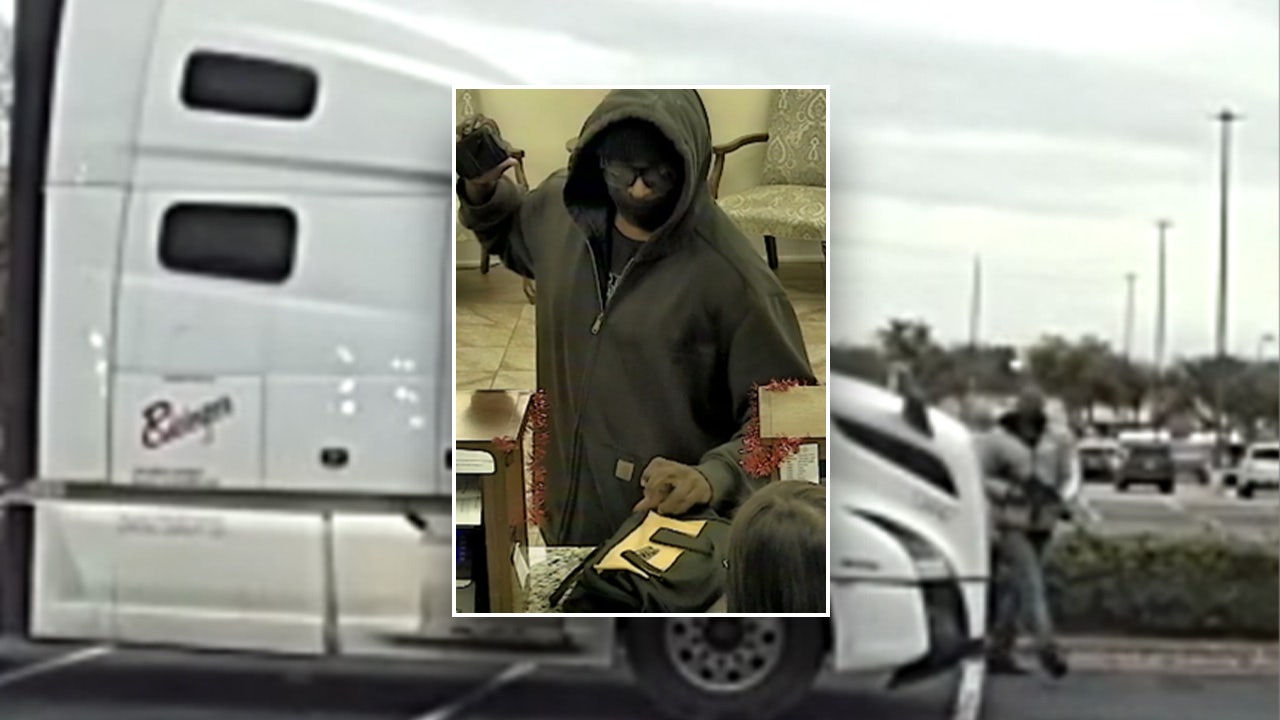
In a dramatic series of events that unfolded in North Carolina in late December, truck driver Willie Edward McGee Jr. has been federally charged with bank robbery and discharging a firearm during a violent crime. The incident, which authorities have characterized as “domestic terror,” began when McGee allegedly entered a First Citizens Bank in Zebulon on December 26th. According to investigators, McGee approached a teller and demanded money while claiming to possess C-4 explosives. After being handed $3,234 in cash, he fled the scene in a semi-truck, triggering an immediate law enforcement response across the region.
The situation escalated dramatically when officers with the Rocky Mount Police Department located McGee’s truck parked at a Hobby Lobby shopping center. What might have been a routine apprehension quickly turned violent when, as documented by surveillance footage and officer accounts, McGee allegedly emerged from his vehicle armed with a Ruger AR-style 5.56 rifle and began firing at responding officers. Police returned fire in the ensuing shootout, striking McGee but fortunately avoiding any injuries to law enforcement personnel or bystanders. During McGee’s arrest, officers recovered both the rifle allegedly used in the shootout and a handgun from his waistband, highlighting the significant danger posed to the community during this incident.
This case appears particularly troubling given McGee’s extensive criminal history, which reportedly spans over two decades across multiple North Carolina counties including Duplin, Wake, and Durham. According to local news outlet WRAL, McGee has accumulated dozens of charges over the years, establishing a pattern of criminal behavior that culminated in this violent confrontation. The nature of his prior offenses and the apparent escalation to armed bank robbery raise serious questions about the effectiveness of the criminal justice system in addressing repeat offenders and preventing the progression to more serious crimes.
The federal response to McGee’s alleged actions has been swift and unequivocal. Deputy Attorney General Todd Blanche didn’t mince words when characterizing the incident, stating, “As alleged, this defendant didn’t just rob a bank — he threatened innocent civilians with explosives and then opened fire on police officers. That is not desperation, it is domestic terror.” Blanche’s comments reflect the serious nature of the charges and the potential for significant federal prison time if McGee is convicted. The Deputy Attorney General specifically praised the “extraordinary courage and professionalism” of law enforcement personnel whose actions likely prevented further violence while ensuring the suspect was taken into custody alive despite the dangerous confrontation.
The case against McGee represents a stark example of how federal authorities approach crimes that combine multiple serious elements – bank robbery, threats of explosives, and violent confrontation with law enforcement. By bringing federal charges rather than leaving the case to state prosecution, authorities signal both the gravity of the alleged offenses and their determination to impose significant consequences. Blanche made this position clear in his statement, warning that anyone who “brings violence into our communities or targets the men and women who protect them” will face “the full weight of the federal government” and removal “from the streets for a very long time.” This approach aligns with longstanding Department of Justice priorities regarding crimes involving firearms and violence against law enforcement.
As the investigation continues, the FBI has requested that anyone with information about McGee’s alleged crimes contact their office. This case highlights ongoing challenges facing communities nationwide: addressing repeat offenders, preventing armed robberies, and protecting both civilians and law enforcement from violent confrontations. While McGee now faces the prospect of a lengthy federal prison sentence if convicted, the incident serves as a sobering reminder of how quickly criminal situations can escalate and the persistent dangers faced by bank employees, shoppers at neighboring businesses, and the officers who respond to such emergencies. The outcome of this case will likely be closely watched by law enforcement agencies and community members concerned about similar threats in their own neighborhoods.