




Teen Murderer Flees Jail After CVS Robbery, Highlighting Juvenile Justice Concerns
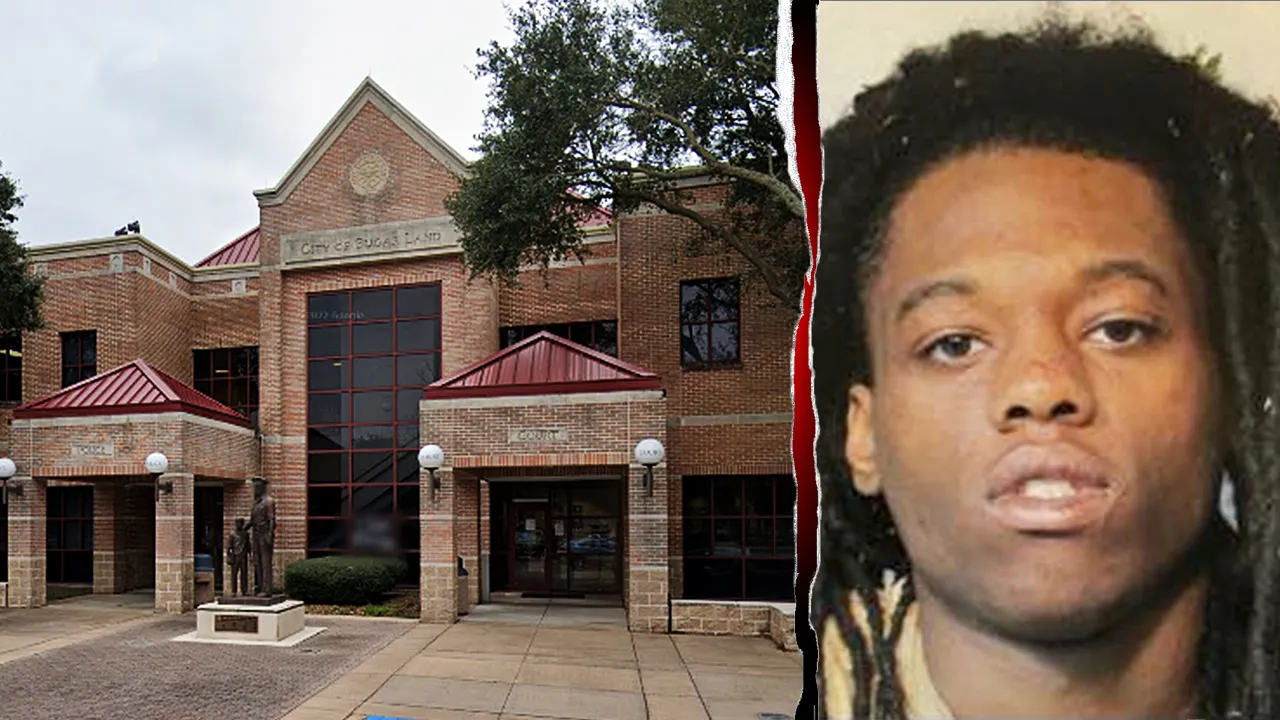
A troubling case in Texas has reignited debate about juvenile justice after a teen on parole for murder allegedly cut off his ankle monitor, committed a robbery, and then participated in a violent jailbreak. Edmound Guillory, 19, along with three other teens—Desean Dillard, 17; Devontae Simon, 18; and Clayton Johnson, 17—now face multiple serious charges following a series of alarming incidents in Sugar Land. Their case highlights the complex balance between rehabilitation and public safety when dealing with young offenders who commit violent crimes.
The sequence of events began around 2 a.m. on January 11, when the four teens allegedly robbed a Sugar Land CVS, physically assaulting a store clerk before fleeing with cash. Police quickly apprehended them, and all four were booked on aggravated robbery charges. However, the situation escalated dramatically later that same day when one of the teens attacked a jail officer who was performing a routine check. According to court records, the jailer was brutally assaulted—his head stomped “approximately 6 to 7 times,” leaving him unconscious with multiple deep bite marks, a broken nose, and severe lacerations. The attacker then released the other three prisoners, and the group managed to escape, though authorities recaptured them less than two hours later. Following this violent jailbreak, the teens now face additional charges ranging from escape to attempted murder.
Particularly concerning is Guillory’s history of violence and his recent release from custody despite warnings from prosecutors. Court records reveal that Guillory was “found delinquent” in the 2022 fatal shooting of Anthony Merchant, a 59-year-old car salesman, husband, and father. Though initially sentenced to 17 years in prison by a juvenile judge in Harris County, Guillory was released on parole after serving just a fraction of his sentence following a reevaluation as he approached his 19th birthday. John Jordan, executive bureau chief with the Harris County District Attorney’s Office, expressed frustration, stating, “In real time, we thought this young person was a threat to the community. And it seems like, based on his recent criminal behavior, we were right.”
After his release, Guillory was ordered to wear a GPS ankle monitor, which he received in August 2025. However, just three days before the alleged CVS robbery, records indicate he cut off the tracking device and discarded it in bushes outside his home. This pattern of escalating violations culminated in the violent escape attempt that left a law enforcement officer seriously injured. Guillory now faces multiple felony charges in Fort Bend County, including engaging in an organized criminal act, escape causing serious bodily injury with threat of a deadly weapon, aggravated assault against a public servant, violating parole, and three counts of aggravated robbery. Following these serious offenses, he has been denied bond.
The case has become a flashpoint in discussions about juvenile justice reform, with experts weighing in on the delicate balance between rehabilitation and public safety. Steven Halpert, Juvenile Division Chief at the Harris County Public Defender’s Office, noted the complexity of these decisions, saying, “We don’t want judges who automatically transfer kids, and we don’t want judges who automatically release a child. You want judges who will listen to all the facts… But they’re not clairvoyant, and they can’t predict what a child is going to do.” This acknowledgment of the difficulty in predicting future behavior highlights one of the central challenges in juvenile justice—balancing the possibility of rehabilitation with the risk to public safety.
Prosecutor Jordan framed Guillory’s case as “a poster child” for why certain violent offenders require incarceration despite broader support for diversion programs and second chances for most juveniles. “There are consequences when you give a chance to someone who is a violent offender,” Jordan remarked, adding poignantly, “There are other victims now, [and] that didn’t have to be that way.” His comments reflect the painful reality that decisions about juvenile offenders can have far-reaching consequences—not just for the young people involved, but for potential future victims when rehabilitation efforts fail. As communities nationwide grapple with similar questions about justice, rehabilitation, and public safety, cases like this one serve as stark reminders of what’s at stake in these complex deliberations.