






Released on Bail, Accused of Murder: The Tragic Case of Donnie Allen and Bail Reform Challenges
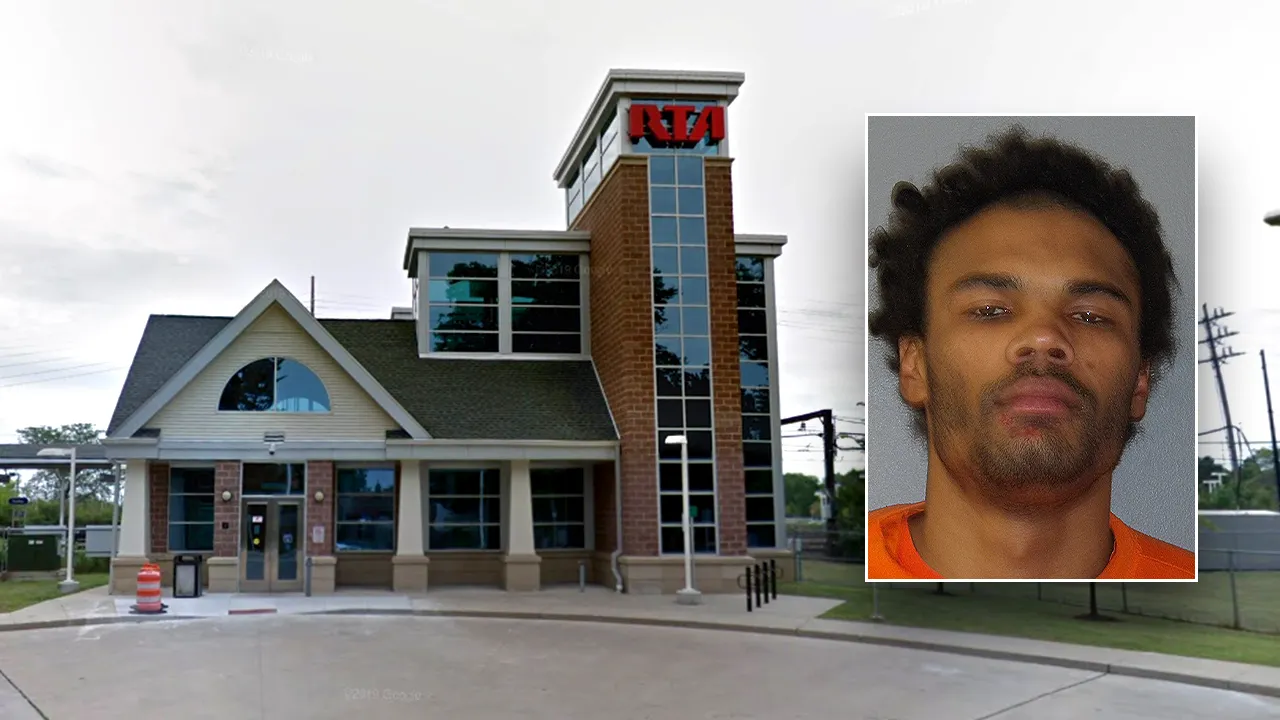
In a devastating turn of events that has reignited debates about bail reform across America, Donnie Allen, an Ohio repeat offender, stands accused of murdering 27-year-old Benjamin McComas just five days after being released from jail through a nonprofit’s bail assistance. According to Fox 8 reporting, Allen allegedly shot and killed McComas at a Cleveland light rail station on December 14, a crime that occurred mere days after The Bail Project posted his $500 bond (10% of the $5,000 bail) on December 9. The case has become a flashpoint in ongoing national conversations about the balance between pretrial release, public safety, and the inequities of cash bail systems. Allen now faces aggravated murder charges and is being held on a significantly increased $1 million bond as the community grapples with this tragedy.
Allen’s criminal history paints a troubling picture of repeated offenses spanning several years. Court records reveal that Allen was in jail for charges including drug possession, breaking and entering, vandalism, obstructing official business, and possessing criminal tools from an incident at the same Cleveland light rail station on December 4. His bail was initially set at $15,000 but was later reduced to $5,000 by Judge Joy Kennedy on December 8. Beyond these most recent charges, Allen’s record shows multiple convictions, including attempted burglary and assault on a peace officer in 2024, burglary convictions in both 2021 and 2022, and additional burglary and criminal damaging counts in 2019. This extensive history raises questions about risk assessment in pretrial release decisions, though Allen’s attorney James Jenkins has contested the nature of the alleged murder, telling Fox News Digital it was “far from” an intentional homicide.
The Bail Project, the nonprofit organization that provided the funds for Allen’s release, has responded to the situation by expressing deep concern over the allegations while defending their broader mission. In their statement to Fox News Digital, the organization emphasized that they “condemn violence” while explaining that their purpose is addressing inequities in a system where financial resources often determine who remains incarcerated before trial. “Any loss of life is a tragedy,” the spokesperson noted, reaffirming their commitment to building “a fairer, more just pretrial system that respects due process, promotes safety, and avoids a misguided reliance on cash bail.” However, the organization did not respond to follow-up questions about whether Allen’s previous criminal history was considered in their decision-making process before providing the bail money that facilitated his release.
This case exemplifies the complex tensions at the heart of bail reform efforts nationwide. On one hand, reformers point to the inherent injustice of a system where pretrial detention is determined by financial means rather than public safety risk, disproportionately affecting low-income individuals and communities of color. Organizations like The Bail Project emerged specifically to address these inequities by providing bail assistance to those who cannot afford it, operating on the principle that pretrial detention should not be determined by wealth. This approach is supported by research showing that extended pretrial detention can lead to job loss, housing instability, family separation, and increased likelihood of guilty pleas regardless of actual innocence – all while costing taxpayers billions annually to incarcerate legally innocent individuals awaiting trial.
On the other hand, tragic cases like McComas’s death intensify concerns about public safety risks associated with pretrial release, particularly for individuals with extensive criminal histories. Critics of current bail reform efforts point to cases like Allen’s as evidence that the pendulum may have swung too far in prioritizing release over community protection. The fundamental question becomes how to balance the constitutional presumption of innocence and right to reasonable bail with legitimate public safety concerns. This tension is further complicated by the limitations of cash bail itself – a wealthy defendant accused of violent crimes can purchase their freedom regardless of risk, while a low-risk, impoverished defendant might remain jailed for minor charges, suggesting money is an imperfect proxy for safety assessment.
Judge Joy Kennedy, who reduced Allen’s bail before The Bail Project’s intervention, had previously expressed support for bail reform in a 2024 questionnaire for The Marshall Project, stating that “bail reform is necessary to address issues of inequities within the criminal justice system.” She described it as “an ever-evolving matter that must constantly be addressed to promote equal access to justice and prevent unnecessary pretrial detention.” Her perspective reflects the growing recognition among many judicial officials that the cash bail system requires thoughtful reconsideration. However, cases like Allen’s underscore the immense challenges in implementing reforms that simultaneously advance equity while ensuring public safety. As communities across America continue wrestling with these difficult questions, the tragic death of Benjamin McComas stands as a somber reminder of what’s at stake in these policy debates – not abstract principles, but human lives affected by the complex intersection of justice, safety, and opportunity for redemption.