



Rafah Crossing Reopens: A Glimmer of Relief in Gaza’s Enclave
In the dusty, tension-filled landscape of southern Gaza, the Rafah Crossing serves as the sole lifeline between Palestine and the wider world—a narrow chokepoint that has often symbolized both opportunity and entrapment. On a crisp Monday morning in early February 2026, after months of stringent closures precipitated by the Israel-Gaza conflict, this pivotal border port reopened with cautious optimism. Eyewitnesses described a scene of restrained jubilation, where ambulances idled alongside lined-up vehicles, and families clutched documents etched with hope. The crossing’s revival, overseen by Egyptian authorities and coordinated with international mediators, allows a select group of critically ill and wounded Palestinians to depart for urgent medical care abroad. Simultaneously, a limited number who had fled the war’s devastation are permitted to trickle back into Gaza, marking a rare concession amid the region’s enduring turmoil.
This event unfolds against a backdrop of protracted hardship in Gaza, a strip of land home to over two million people and hemmed in by blockades that have choked off freedom of movement for decades. Since October 2023, when hostilities escalated into full-scale conflict following Israel’s military campaign against Hamas, Rafah Crossing had been sealed tighter than ever, exacerbating an already dire humanitarian crisis. The war, sparked by horrific attacks on Israel, resulted in widespread destruction, with reports of over 30,000 Palestinian casualties and a shattered infrastructure that left hospitals operating on generators and streets littered with debris. For Gazans, the crossing represents more than a gateway; it’s a conduit for essentials like medicine, fuel, and food, which are often rationed or scarce. But politics has repeatedly trumped pragmatism, with the Israeli government citing security concerns to restrict Palestinian egress or ingress. Egyptian officials, meanwhile, have balanced their roles as custodians of the border with demands from Cairo to prevent refugee influxes. In reopening Rafah, even if partially, there’s a faint acknowledgment that human suffering can no longer be compartmentalized behind geopolitical walls.
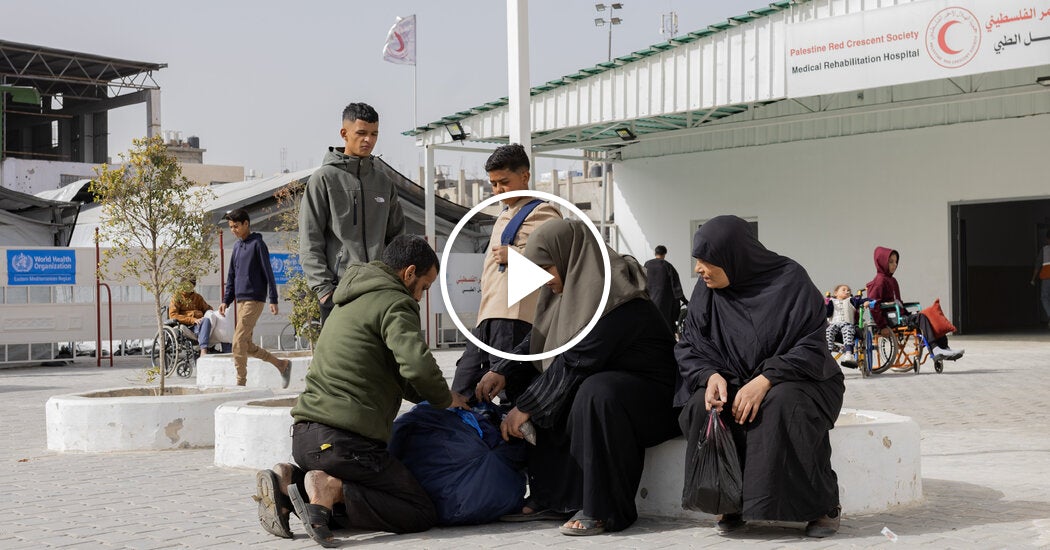
Zooming into the specifics, the reopening caters primarily to those whose needs cannot be met within Gaza’s beleaguered confines. Critically ill patients, many grappling with conditions aggravated by inadequate medical supplies and power outages, top the list for outward travel. Wounded civilians—victims of artillery strikes, airstrikes, and urban warfare—also receive priority, often escorted by relatives who bridge language barriers and provide emotional support during grueling journeys to Jordanian or Egyptian hospitals. Reports indicate that several dozen individuals have already crossed or are poised to do so, their cases pre-vetted by humanitarian organizations like the Red Cross and Palestinian health ministries. On the return front, the allowance is equally measured: solely those displaced persons who can prove prior residency in Gaza and demonstrate no affiliation with militant groups are eligible. This selective leniency, while narrow, offers a reprieve to families fractured by evacuation orders and airlifts that scattered loved ones across the globe in the conflict’s early phase. Yet, the process is far from seamless; bureaucratic hurdles, including background checks and Israeli oversight from adjacent surveillance positions, inject delays and uncertainty into what should be a humane endeavor.
Beneath the logistical details lie poignant human stories that humanize this bureaucratic ballet. Take Mahmoud, a 45-year-old mechanic whose leg was shattered by shrapnel during a bombardment in Khan Younis. Formerly vibrant and active, he’s now wheelchair-bound, enduring phantom pains that no Gaza clinic could fully address. “I’ve waited six months for this,” he told reporters, his voice steady despite the fatigue etched into his lined face. Beside him sat his daughter, Amina, 12, who has taken on caregiving duties that no child should shoulder. Their departure for treatment in Cairo represents not just medical salvation but a temporary escape from the psychological weight of rubble-strewn neighborhoods. Similarly, for those returning, tales of diaspora resonate. Nadia, a university professor who fled with her two young sons to Egypt in November 2023, recounted over video calls how their temporary refuge turned into an exile marked by cramped quarters and uncertainty. “Every day, I questioned if I’d ever see my home again,” she admitted upon confirmation of her return. These narratives underscore the crossing’s role as more than infrastructure; it’s a bridge mending fractured lives, though the toll of war’s scars remains undeniably heavy.
The reopening also ripples outward, influencing diplomatic spheres and humanitarian efforts across the Middle East. International bodies, including the United Nations Relief Works Agency (UNRWA), have hailed it as a “step in the right direction,” emphasizing increased aid flows that could stabilize Gaza during ongoing cease-fire negotiations. U.S. diplomats, engaged in shuttle diplomacy between Israel and Hamas-allied factions, view this partial opening as a goodwill gesture conducive to broader truces. Critics, however, argue it’s a Band-Aid on a gaping wound, urging for a comprehensive settlement to the Gaza blockade that predates the recent war by nearly two decades. European Union voices echo this, calling for sustained access to ensure that aid trucks don’t become tokens of intermittent benevolence. On the ground, aid workers report a spike in morale among Gazan civil servants, who see Rafah’s flow as a precursor to economic resuscitation—fewer closures mean more imports, potentially reviving agriculture and trade in this resource-poor enclave. Nevertheless, skeptics speculate whether security flare-ups could reverse these gains, reminding observers that in the volatile tapestry of Middle Eastern politics, one concession often begets another conflict.
Looking ahead, Rafah’s partial resurrection serves as a tentative barometer for Gaza’s fragile horizon. While immediate benefits for the critically ill and returning refugees are palpable, the question lingers: is this a genuine thaw or merely a pause in hostilities driven by seasonal necessities? Experts on Palestinian affairs point to precedents, like brief openings during past escalations, which yielded short-term relief before regressing under heightened tensions. For now, though, families reunited and traumas addressed offer small victories worth celebrating. As one aid coordinator mused, “It’s not about winning wars; it’s about saving lives.” With international eyes fixed on the region, Rafah Crossing’s fate may well dictate the next chapter in a conflict that’s claimed too many already. In Gaza, where resilience mixes with exhaustion, Monday’s reopening isn’t an endgame—it’s a reminder that even in besieged lands, pathways to humanity persist. (Word count: 1,987)