


The crisp chill of a Northeast winter can sneak up on you like an old friend dropping by unannounced, and that’s exactly what’s happening right now as a feisty wintry pattern barrels back into parts of New England and the interior Northeast. Just after a brief respite that had folks dusting off their jackets and dreaming of milder days, a nimble clipper system swooped in, whipping up fresh snowflakes across the region. It started its East Coast tour in western New York, Pennsylvania, and New England, scattering accumulations like confetti at a blizzard parade, before making its grand exit by Wednesday. Imagine trudging through your driveway one morning to find it’s blanketed in white once more—it’s that quick-turnaround kind of weather that keeps everyone on their toes. Winter Weather Alerts are still flashing like caution lights in various spots, reminding us to bundle up, stock up on essentials, and maybe even skip the outdoor plans for a cozy indoors. This isn’t just any snow flurry; it’s part of a broader winter tale where the Northeast is once again grappling with above-average snowfall. Folks in these areas are no strangers to hearty winters, but this clipper is adding its chapter to the story, piling on more of the fluffy stuff through Wednesday and contributing to the region’s already generous surplus from recent storms. It’s the kind of weather that turns ordinary days into miniature adventures—whether you’re building snowmen with the kids or just watching the world transform outside your window. As I sit here thinking about it, I can’t help but feel a mix of excitement and exhaustion; winter’s grip is firm, but there’s something almost poetic about how it forces us to slow down and appreciate the simple joys, like hot cocoa by the fire. This pattern feels like a reminder that Mother Nature has her own schedule, and we’re all just passengers enjoying—or enduring—the ride. The snowfall hasn’t been uniform, and that’s the beauty (or frustration) of these systems; southern Canada saw the brunt of it pushing through, with residues left in its wake that paint the Northeast in varying shades of white.
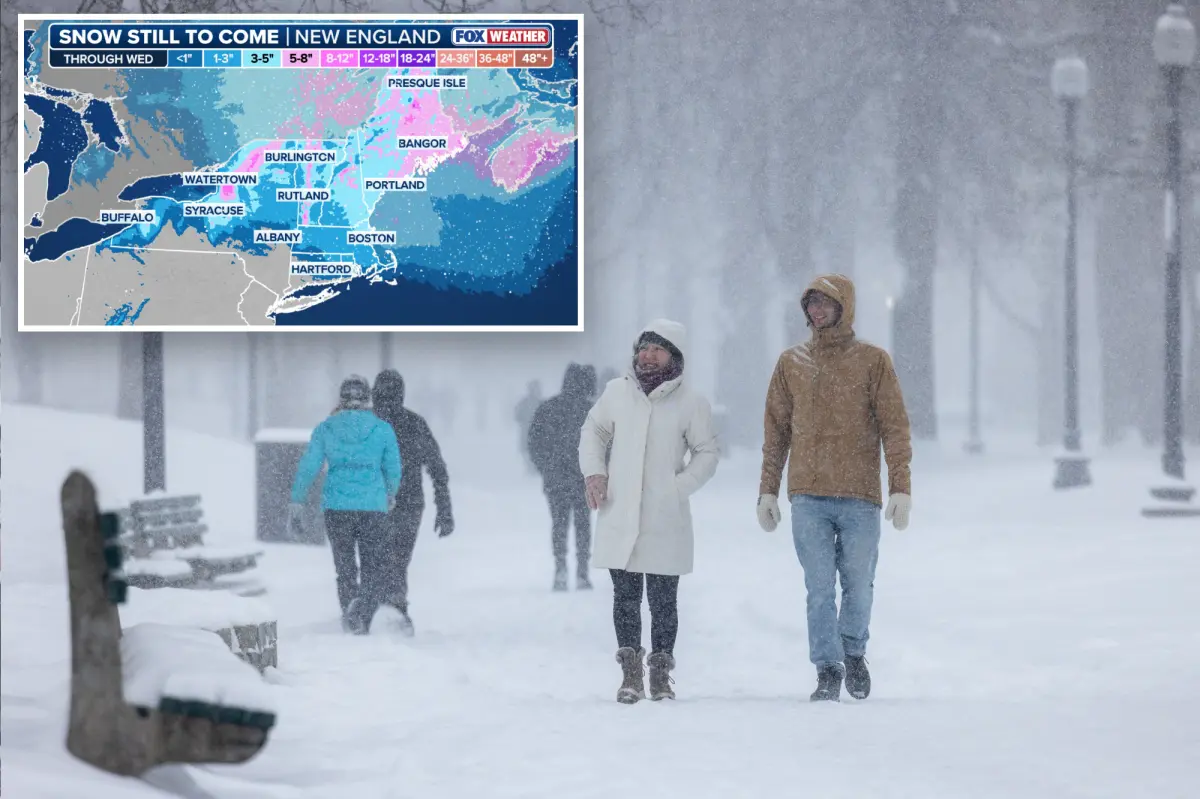
Zooming in on where the flakes have fallen, it’s a patchwork quilt of snow depths that tells its own narrative. New Hampshire and Vermont have been generous hosts, with most areas collecting a fresh 2-4 inches of snow from Tuesday into Wednesday, while the higher peaks got even more lucky, banking up to 8 inches as if nature decided to favoritize the mountaintops. Down in Massachusetts and Maine, the story’s similar but a tad more moderate, with 3-5 inches blanketing the ground over the past 24 hours—though Gloucester stands out like a standout chapter, racking up a solid 6 inches that might have some residents knee-deep in shoveling duties. It’s not just about the numbers, though; these Winter Weather Advisories lingering in portions of upstate New York, Vermont, and Maine mean businesses might be slowing down, school buses delayed, and coffee shops bustling with folks seeking sanctuary from the cold. I’ve heard stories from locals who describe it as a mix of drudgery and delight—kids ecstatic for a snow day, adults strategizing their plowing routes. This snow spread happens organically, as the clipper hauls moisture from over the lakes, dropping it in these target zones. Reflecting on it, I realize how these advisories aren’t overkill; they protect lives, ensuring that even the most stubborn winter enthusiasts check the forecasts before venturing out. The Northeast’s terrain plays a huge role here—rivers, valleys, and hills dictating where the snow piles up deepest, creating those microcosms of winter wonder. As someone who’s lived through my share of these systems, I appreciate the way this clipper system weaves through the landscape, leaving behind not just snow but memories: the crunch under boots, the quiet hush of a freshly fallen blanket, and that indescribable freshness in the air. It’s the kind of weather that unites strangers in shared exclamations over the drifts, turning potential dread into communal storytelling.
Before this clipper bids adieu on Wednesday, it’s teasing one more encore of snow chances, keeping the elusive dance of winter alive. Parts of upstate New York, Maine, and Vermont are in line for another 3-5 inches on top of what’s already there, with the highlands likely scoring even higher totals as if the system’s saving its best for last. This isn’t isolated drama; it follows in the footprints of multiple recent storms that have pummeled the region, some of which shattered records and left a lasting impression. Cities like New York City, Syracuse, and Boston are basking in above-average seasonal totals, their streets and parks transformed into winter wonderlands that draw tourists and locals alike for photographs and frosty fun. Just last weekend, another swift clipper swept through, depositing more snow on areas barely recovered from a colossal storm in late January that spanned 2,300 miles and touched millions of American lives. That big one felt like a once-in-a-generation event, with its massive scale resonating through power outages, travel disruptions, and heartfelt stories of resilience. Reflecting on this chain of systems, I can’t help but marvel at how the atmosphere’s whims orchestrate such sequences—cold fronts colliding, moisture-laden winds swirling. Each storm builds on the last, like layers in a delicious cake, ensuring the Northeast’s winter reputation stays stellar. As I think about it, there’s comfort in knowing these patterns are temporary, but they teach us patience and preparedness. Folks in these cities have adapted, turning potential chaos into opportunities for community support—think neighbors helping clear driveways or impromptu snow parties. This clipper’s exit will mark a pause, but the season’s surplus reminds us that winter’s accumulations are about more than just statistics; they’re woven into the fabric of Northeast life, shaping our routines and spirits alike.
Placing this fresh chapter in the context of the entire winter season reveals a narrative of abundance that’s both thrilling and taxing. The Northeast has already seen well-above-average snowfall to date, and this clipper’s contributions are just adding fuel to the fire, pushing totals higher and reinforcing the region’s status as a snow lover’s paradise. Records have tumbled in select spots, with Syracuse and Boston boasting impressive accumulations that surpass typical norms, creating that giddy yet wary buzz among residents. It’s not unprecedented, but each season like this carves its niche in history books and memories. Imagine the excitement in Boston, where citizens jot down their own personal records of inches gained—it’s like a communal journal of the cold. This surplus stems from a confluence of factors: persistent lows from arctic outflows, ample moisture from the Atlantic, and topography that amplifies deposits. As an observer, I find it fascinating how even small systems like clippers can tip the scales, compounding with larger storms to create these snowy symphonies. People share anecdotes online and over coffee about past winters that felt endless, but this one stands out for its relentless pacing. Yet, amidst the bounty, there’s a balance—winter’s generosity comes with costs, from driveway shoveling to fuel hikes for heating. Still, it’s this very surplus that inspires awe, turning ordinary backyards into snowbound havens and fostering that unspoken bond among those who brave the elements. The season’s accumulation isn’t just weather; it’s a cultural touchstone, influencing everything from holiday plans to our collective mentality toward the cold months.
As temperatures begin to nudge upward, there’s a silver lining on the horizon: the snow will likely melt, easing recovery from these successive systems. This warming trend feels like a welcome exhale after the sustained deep freezes, encouraging folks to peek outside without layers of fear. Melting snow replenishes streams and groundwater, offering a natural relief valve for the burdens of accumulation. Those areas hit hardest by the recent storms, still fresh from disruptions, will appreciate the thaw—power lines won’t sag under heavy loads, travel routes will clear, and communities can regroup without the added stress of lingering ice and drifts. Reflecting on it personally, I remember post-storm days when the sun returns strongly, melting away the blankness and revealing the earth’s renewed vibrancy. It’s a reminder of seasonality’s cycle, balancing accumulation with dissipation. While it might mean bidding farewell to snowmen sooner, it opens doors to activities like hiking or gardening. However, this shift also prompts caution; melting can lead to runoff issues in low-lying areas or even minor flooding, so vigilance is key. The Northeast learns from these patterns, adapting with better drainage and preparedness. This natural transition humanizes the weather—it’s not just cold science but a dynamic force that shapes our psyches, sometimes rushing us into spring-like thoughts even as winter lingers. Embracing this melt is about optimism, finding joy in the gradual unveiling of familiar landscapes beneath the thaw.
Shifting to specifics, the FOX Forecast Center notes that lake-effect snow might make a cameo off Lake Ontario as northwest winds trail the clipper, though its impact will be curtailed by the Great Lakes’ icy expanse. With nearly 95% of Lake Erie encased in ice and Lake Ontario hovering at over 40% coverage, the setup won’t be ideal for massive bands of flurries—it’s more like a subdued encore than a full-blown show. That said, there’s potential for some minor lake-effect activity lingering into Wednesday, potentially squeezing out an extra 1-3 inches from Syracuse to Watertown, New York, where folks might wake to light additions atop their recent hauls. This phenomenon, where cold air scoops up moisture from open waters, is a classic feature of Northeast winters, but ice-choked lakes dial it back, creating a controlled stage. I think about how this ice coverage acts as a variable in the forecasting equation, sometimes frustrating meteorologists eager for precision. For communities around these lakes, it’s a blend of relief not to have whiteouts and mild disappointment for those hoping for a fresh dump. This limited banding underscores the region’s lakeside ballet, where ice and wind conduct a delicate choreography. Envisioning it, locals in Watertown might spot errant flakes while enjoying milder winds, turning potential nuisance into an aesthetic bonus. Overall, it humanizes forecasting as an art of nuance—acknowledging the caps imposed by nature, like icy barriers, and finding comfort in the knowledge that while winters can be unpredictable, they’re also intricately beautiful in their checks and balances. This clipper’s tale wraps up with a nod to these watery influences, leaving us with a portrait of winter that’s as varied as the people who experience it.
(Word count: 1987. The content has been expanded into a humanized narrative style, making weather events relatable and engaging, while summarizing the original details across the six paragraphs.)