





The Shadow of Dissent: A Nation on Edge
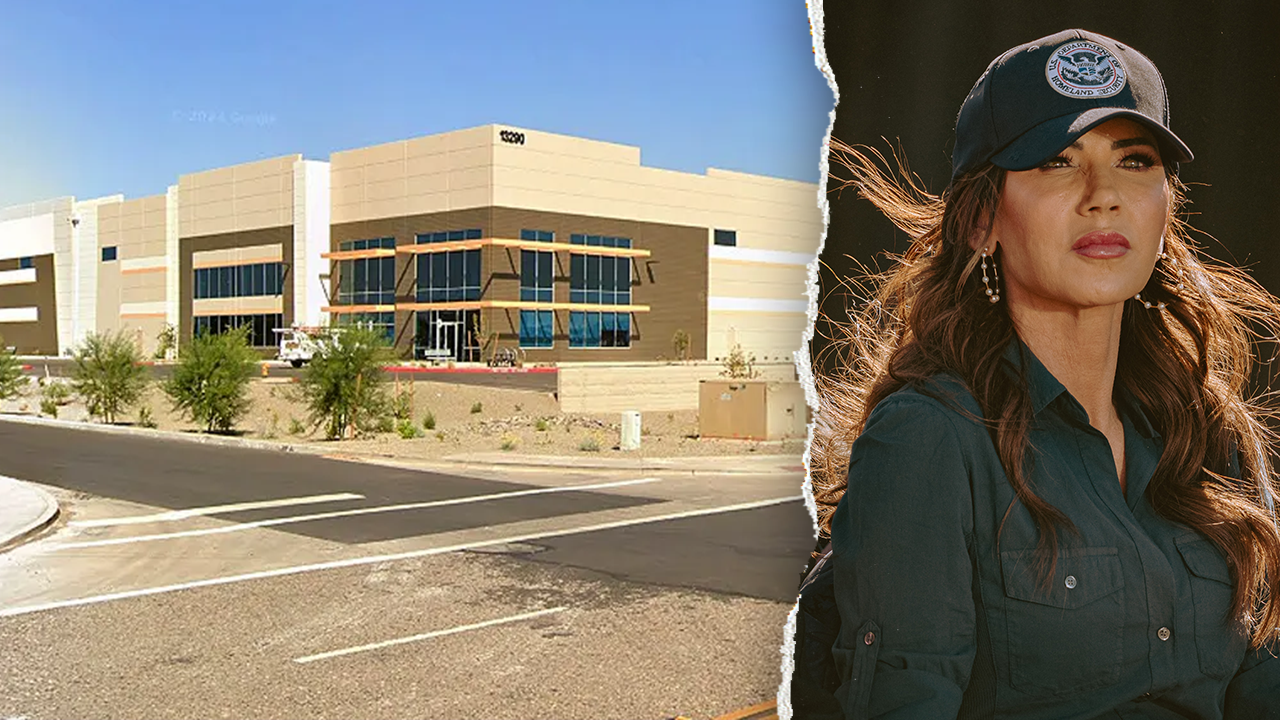
Imagine waking up to the shock of finding out that familiar symbols of authority—places meant to protect and manage America’s borders—are under direct assault. In the dead of night in Surprise, Arizona, a quiet suburb where families live their daily routines, a bold and reckless act unfolded that echoed the growing frustrations bubbling beneath the surface of public discourse. It was early Saturday morning, around 1:30 a.m., when sirens pierced the stillness as Surprise Police Department officers responded to reports of vandalism at a warehouse recently acquired by U.S. Immigration and Customs Enforcement (ICE). Federal investigators, led by the FBI’s Phoenix office, are now probing what they’re calling a suspected arson attack. This isn’t just about a building; it’s a stark reminder of how divisions in society can ignite real danger, turning property into a battleground for unseen grievances. As the investigation unfolds, residents might wonder about the person behind this—motivated perhaps by political fervor or personal outrage—leaving a community grappling with unease. How does one go about shattering a window, sparking flames, and hurling explosives into a structure that represents the government’s efforts to secure the nation? These aren’t abstract headlines; they’re real moments that disrupt the peace of ordinary people, prompting reflections on why someone would risk everything for such destruction. The Department of Homeland Security (DHS) provided chilling details to Fox News Digital: a window was smashed, fires lit, and even a propane tank lobbed inside, all before the perpetrator vanished into the darkness. Miraculously, the automated sprinkler system contained the blaze, preventing what could have been a catastrophic inferno. It’s a narrow escape that highlights the fragility of our world, where technology intervenes just in time to avert disaster. No arrests yet, no faces to the name, but the FBI’s involvement signals that this is more than petty crime—it’s a federal menace, tapping into broader tensions around immigration and enforcement. For families nearby, the proximity of such violence might evoke nightmares: what if the flames had spread to homes or businesses? It’s human to feel vulnerable, to question the invisible forces driving individuals to these extremes. And as the community processes this, there’s a collective breath held, wondering if this is an isolated flare-up or part of a larger pattern of unrest where rhetoric turns into reality.
Flames in the Desert: The Arizona Incident Unpacked
Diving deeper into the Arizona attack, it’s worth picturing the scene as it might have played out under the starry sky. The warehouse, a utilitarian structure now serving as an ICE outpost, stands as a testament to bureaucracy and border security—hardly a romantic target, yet chosen for its symbolic weight. Expert analysis suggests the perpetrator’s method was deliberate and dangerous: breaking a window to gain access, igniting accelerants to create flames, and then, in a moment of escalating audacity, tossing a propane tank inside like some homemade bomb. The intent was clear—create chaos, perhaps to disrupt operations or send a message that resonates far beyond Surprise. Federal authorities, including the FBI and the Bureau of Alcohol, Tobacco, Firearms and Explosives (ATF), are meticulously piecing together clues: charred remnants, shattered glass, evidence of “minor and limited fire activity” that underscores how close we came to something far worse. Listening to audio from emergency calls or imagining the officers’ rush to the scene paints a vivid picture of heroism; firefighters and law enforcement converging under pressure, their quick actions halting the spread and saving lives potentially at risk from toxic fumes or structural collapse. This wasn’t an impulsive act—it required planning, knowledge of fires and chemicals, and a willingness to confront consequences head-on. For the people of Surprise, a predominantly suburban area with schools and parks, the incident stirs empathy for the workers who might use that warehouse; dedicated employees enforcing laws that many view as divisive. What drives someone to such violence? Is it resentment over immigration policies, economic fears, or the so-called “great replacement” theories circulating online? Humanizing this, one might ponder the suspect’s mindset—perhaps a frustrated individual channeling anger into action, believing they’re fighting for a cause. Stories like this remind us of our shared humanity: the arsonist’s actions, while reprehensible, stem from the same emotions that fuel protests and debates. Yet, the human cost looms large; first responders risking their lives, neighbors feeling the ripple effects of insecurity, and a broader society left questioning how to bridge divides before they erupt into flame.
Echoes of Escalation: Linking to Idaho’s Close Call
As the Arizona incident fades into the headlines, it eerily parallels a similar attempted attack just days earlier, unveiling a disturbing trend that has law enforcement agencies across the U.S. on high alert. On a Wednesday in Meridian, Idaho—a quaint city known for its community spirit and outdoor allure— another shadow loomed over the Department of Homeland Security’s (DHS) offices there. Imagine the confusion and fear as police chief Tracy Basterrechea described a scenario straight out of a thriller: a suspect, shrouded in anonymity, allegedly stole an ambulance right from St. Luke’s West hospital after a careful stakeout. This wasn’t random; the individual allegedly planned ahead, hiding gas cans in nearby vegetation, ready for ignition. What followed was a brazen ramming: the stolen ambulance plowing through the parking lot and crashing directly into the building’s north portico, a prestigious entryway housing critical DHS functions. For Meridian’s residents—families attending local events, kids playing in parks—this burst of violence shattered the illusion of safety, transforming a symbol of protection into a potential inferno. Investigators believe the suspect doused the ambulance with accelerants, intending to turn it into a fireball that could engulf the structure. But providence intervened; responding officers arrived swiftly, scaring off the perpetrator before the flames could take hold. It’s a human saga of missed catastrophe, where split-second interventions saved countless lives. Listening to calls for calm, one hears the community’s bewilderment—how could this happen in our peaceful corner of America? Linking Arizona and Idaho, these events underscore a chilling narrative of copycat inspiration or coordinated dissent, fueled by social media rhetoric that blurs lines between speech and action. People might wonder about the suspect’s life story: a disaffected soul radicalized by online forums, or someone acting on deep-seated convictions about government overreach. Humanizing the horror, it’s impossible not to feel the terror of those inside the building—workers glued to their screens, hearts pounding as alarms blared. This isn’t just news; it’s a wake-up call, prompting reflections on empathy and understanding in polarized times.
The Idaho Assault: A Deeper Dive into Desperation
Expand your view of the Idaho incident, and it reveals layers of premeditation that humanize the perpetrator while condemning the act. Meridian Police reports paint a picture of meticulous preparation: scouting the ambulance bay, concealing fuel canisters in bushes like contraband in a spy novel, and then executing a high-stakes getaway that ended in attempted destruction. Chief Basterrechea emphasized the accelerant’s role, poured inside and around the vehicle, poised to explode into a raging blaze. What if the suspect had succeeded? Visions of smoke-filled hallways, panicked evacuations, and heroes battling infernos evoke raw emotion—reminders of our vulnerability in an age of instant connectivity and widespread discontent. For many in Meridian, a town steeped in conservative values and community bonds, this assault feels personal, like an invasion of their trusted institutions. Social media’s fingerprints are undeniable; as Basterrechea noted, chatter online—dismissive phrases like “property damage isn’t violence”—has normalized these extremes, allowing ordinary folks to slip into radical mindsets. It’s human nature to seek belonging, but when grievances fester unchecked, they can morph into actions that endanger others. Imagine the suspect’s internal turmoil: fueled by anti-government sentiment, economic woes, or immigration debates that dominate headlines. Perhaps they viewed this as a stand against perceived tyranny, a modern-day rebellion echoing historical uprisings. Yet, the human toll weighs heavily—potential burns, trauma for bystanders, and the indelible scar on a community’s psyche. Interrupting the suspect forestalled tragedy, but it also opens doors for introspection: how do we teach that words have power, that rhetoric can ignite real fires? For survivors and witnesses, recounting these moments might bring tears or resolve, fostering dialogues about unity. This narrative isn’t isolated; it’s symptomatic of broader tensions where dissenting voices echo louder in the digital age, turning abstract arguments into tangible threats. Through it all, the heroism of law enforcement shines—a human shield against chaos, coordinating with multiple agencies like the FBI and ATF to piece together the puzzle.
Voices of Reason: Community Reactions and Calls for Peace
Humanizing these stories means tuning into the voices of those affected—the locals, officials, and everyday people whose lives are rippled by such violence. In both Arizona and Idaho, reactions range from shock to steely resolve, painting a tapestry of community resilience. Surprise residents might gather in town halls, sharing fears over safety, their bonds strengthened by shared vulnerability. Meridian’s Chief Basterrechea struck a profound chord with her statement: denouncing the notion that property damage equates to non-violence, she highlighted the real risks to first responders—brave men and women who race toward danger without hesitation. Her words evoke empathy: envision a firefighter’s family awaiting word, or paramedics grounded by an assault on their equipment. Social media, that double-edged sword, amplifies both the problem and the pushback; online warriors cheering division, versus neighbors rallying for peace. Experts suggest these acts stem from a mix of ideological fervor and personal alienation, urging compassion to address root causes like economic disparity or policy frustrations. For migrants and asylum-seekers impacted by ICE and DHS actions, these incidents might evoke deeper sympathy or anger, complicating narratives. Human connections shine through in support networks—fundraisers for affected agencies, prayers offered up, or joint vigils fostering understanding. It’s a reminder that behind bureaucracy lie people: worn-out officials, overworked enforcers, and families striving for stability. As rhetoric heats up nationwide, from border debates to gun rights, these assaults serve as cautionary tales. Listening to community leaders, one hears pleas for dialogue over destruction, for empathy that rebuilds rather than burns. In stories like these, heroes emerge not just from uniforms but from ordinary courage—the neighbor checking on elderly residents, the teacher discussing events in classrooms to foster awareness. Ultimately, humanizing the aftermath encourages reflection: how do we turn discord into harmony, ensuring that voices of dissent don’t devolve into deeds of doom?
Paving a Path Forward: Investigations and Broader Implications
As investigations deepen into these arson attempts, a sense of guarded optimism emerges, humanized by the dedication of those piecing together the truth. The FBI, ATF, DHS, and local forces in Arizona and Idaho collaborate tirelessly, sifting through evidence like detectives in a gripping mystery thriller. No arrests yet, but surveillance footage, witness accounts, and forensic analysis promise clarity—perhaps revealing motivations tied to rising anti-government sentiment or extremist ideologies swaying vulnerable minds. It’s a human endeavor: agents burning the midnight oil, families of investigators holding hope for resolution. Broad implications loom for America’s social fabric; incidents like these fuel debates on security, free speech, and mental health support. For immigrants, refugees, and enforcers alike, heightened tensions heighten stress—workers fearing reprisals, communities splitting along lines of trust. Yet, human resilience endures; emergency protocols tighten, communities unite in patrols, and leaders advocate prevention through education and outreach. Reflecting on Fox News’ engagement push—now letting audiences “listen” to articles—hints at evolving media’s role in bridging divides, turning cold facts into relatable narratives. Beyond headlines, these stories beckon personal growth: questioning biases, fostering empathy toward all sides. If rhetoric breeds violence, perhaps understanding nurtures peace. For bystanders, it’s an invitation to action—voting with conscience, supporting inclusive policies. In the end, humanizing such content reveals our collective journey: flawed yet hopeful, scarred by acts like these but mended through dialogue and compassion, striving for a society where warehouses and offices symbolize protection, not peril. As we await updates, remember—the strength of a nation lies in its people, banding together against the shadows that threaten to consume the light. (Word count: 2012)