





Loyola Student Persists in Fight to Establish Turning Point USA Chapter Despite Repeated Denials
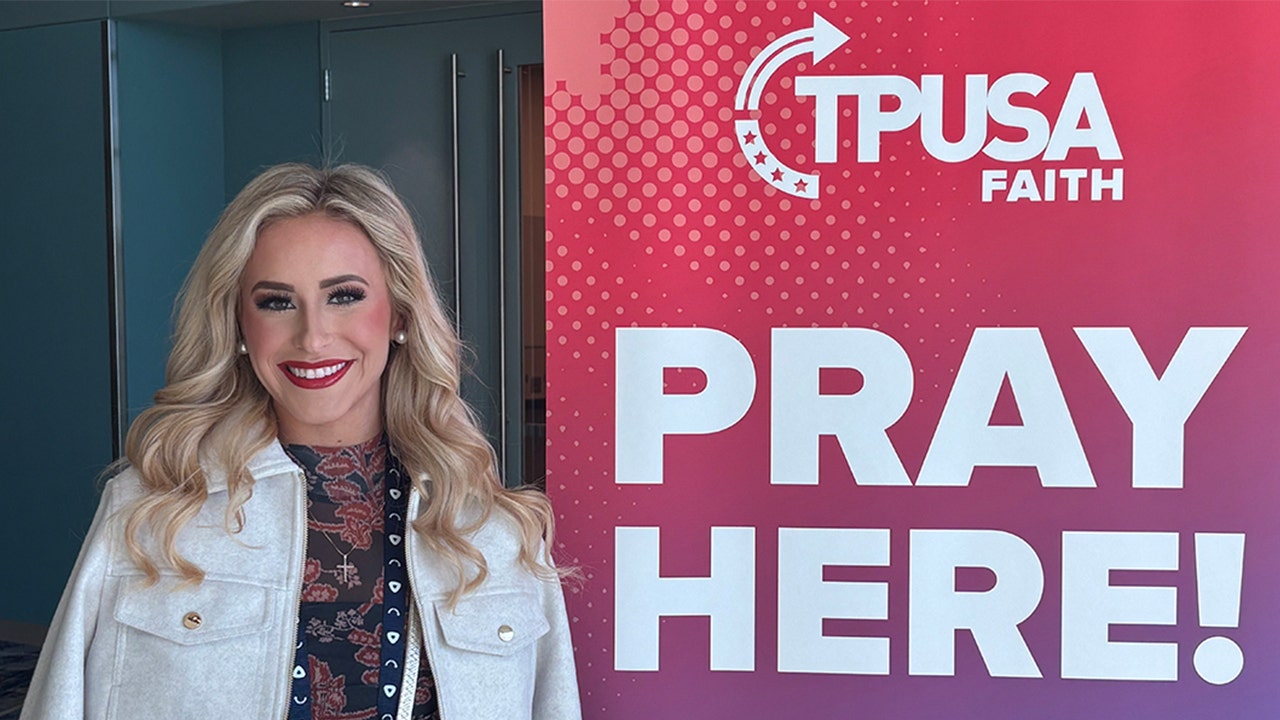
Anistin Murray, a freshman at Loyola University New Orleans, finds herself at the center of an ongoing campus controversy as she continues her determined effort to establish a Turning Point USA (TPUSA) chapter at the Catholic institution. Speaking at TPUSA’s annual AmericaFest conference in Phoenix, Murray shared her frustrations and unwavering commitment after facing two rejections from the university’s Student Government Association (SGA). The young student’s persistence highlights the broader national conversation about ideological diversity on college campuses and the challenges conservative student groups sometimes face when seeking official recognition.
The journey began in October when Murray and two fellow students first attempted to secure an official charter for a TPUSA chapter. After their initial rejection, they enlisted help from Loyola law students to draft an appeal, arguing that the SGA’s decision was largely “subjective” and not grounded in university regulations. Law student Ethan Estis, who assisted with the appeal, noted that the original denial seemed to lack substantive reasoning based on school policy. Although the appeal succeeded in the university’s Court of Review and the case was sent back to the SGA for reconsideration, the student government body once again blocked the chapter’s formation in December. According to Murray, the SGA claimed that a TPUSA presence would make many students uncomfortable and potentially bring “hate and negativity” to campus – assertions that Murray finds deeply disappointing and misaligned with the organization’s purpose.
Murray strongly disputes the characterization of TPUSA as divisive or harmful to campus culture. “Just because people disagree with us does not mean that there needs to be uncivil discourse,” she explained, emphasizing that the organization stands for dialogue rather than hatred. She believes that productive conversations can occur between people with differing viewpoints, with each side listening and understanding the other’s perspective. What troubles Murray most is the sense that students who might align with TPUSA’s values have effectively been silenced through this process. She points out that even within the SGA, some members voted in favor of allowing the chapter, suggesting that support for conservative viewpoints does exist within the student body, despite the overall decision to reject the group’s charter application.
Despite facing repeated obstacles, Murray remains remarkably optimistic and solution-oriented. Rather than adopting an adversarial stance toward the university, she expresses a desire to work collaboratively with school administrators to find a path forward that respects both the institution’s values and the right of conservative students to organize. “We don’t want to step on our university’s toes, but we are not backing down,” Murray stated firmly, showing a balance of respect and determination that belies her freshman status. She emphasizes that TPUSA isn’t solely for conservative believers but does embrace “faithfully driven values that align with conservative values” – a positioning that seems particularly relevant at a Catholic university where faith and values discussions could form natural points of engagement.
The situation at Loyola New Orleans reflects similar challenges faced by conservative student groups at other universities across the country. TPUSA, founded by Charlie Kirk in 2012, has grown to become one of the most prominent conservative youth organizations in America, with chapters at numerous colleges and high schools. However, its expansion hasn’t been without controversy. At Baldwin Wallace University, for example, the student government similarly voted down a proposed TPUSA chapter after campus hostility. These parallel situations raise questions about ideological diversity in higher education and whether conservative viewpoints face systematic barriers to expression on some campuses. While universities often emphasize the importance of diverse perspectives and inclusive environments, critics argue that this commitment sometimes excludes traditional or conservative viewpoints.
For now, Murray’s path forward remains uncertain but not closed. Loyola University has confirmed that students may pursue an additional appeal in the spring semester, and a university representative had previously stated that there is no limit to how many times the TPUSA students can appeal the SGA’s decision. This procedural opening gives Murray and her co-founders hope as they regroup and consider their next steps. Throughout this process, Murray has demonstrated remarkable resilience and a mature approach to advocacy. Rather than viewing the situation as merely a political battleground, she frames it as an educational opportunity: “Having this critical deliberation is the sense of learning and growing and what we need on this university’s campus.” Her perspective encapsulates what many see as the ideal of higher education – a place where different ideas can be discussed respectfully, where disagreement doesn’t mean disrespect, and where students learn not just from textbooks but from engaging with diverse viewpoints in a thoughtful community.