


Intelligence Fiasco: Outdated Data Spurs Missile Mishap, Undercutting Trump’s Iran Accusations
In a twist that reverberates through the corridors of Pentagon power and international diplomacy, a newly released military investigation has exposed a potentially crippling flaw in a high-stakes missile strike operation. Armed with declassified reports from U.S. defense officials, the probe suggests that outdated targeting data—likely from pre-2010 intelligence—played a pivotal role in what appears to be an accidental engagement. This revelation not only challenges the operational integrity of America’s premier defense systems but also directly contradicts former President Donald Trump’s vehement claims that the strike was a necessary counter to Iranian aggression. As the dust settles on this geopolitical snafu, questions abound about accountability, evasion protocols, and the risks embedded in relying on antiquated surveillance in an era of rapid digital warfare.
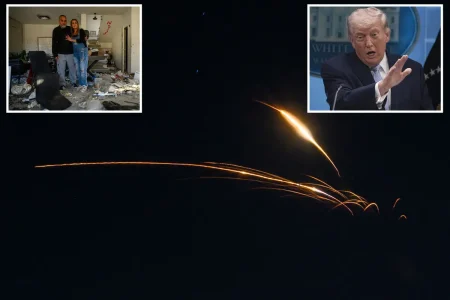
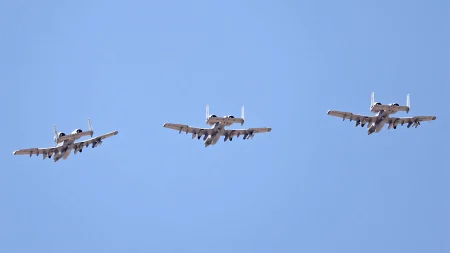
The incident, which unfolded under the shadow of escalating tensions in the Middle East, involved a precision-guided missile barrage aimed at a suspected terrorist outpost in the volatile borders of Iraq and Syria. On that fateful night, Reaper drones and F/A-18 Hornets delivered a barrage of Hellfire missiles, obliterating a remote compound initially flagged as a hub for Iranian-backed militias plotting imminent attacks on U.S. troops. Eyewitness reports from the region described a cacophony of explosions litigating the night sky, followed by plumes of smoke that choked the mountain air. U.S. forces hailed the operation as a textbook success, designed to neutralize threats avant-garde before they could materialize. Yet, as local humanitarian workers sifted through the debris the next morning, a grim reality emerged: the strike had inadvertently targeted a civilian convoy harboring no weapons or combatants—just a family of shepherds and their livestock en route to a nearby market. The death toll, initially reported as zero insurgents, ballooned to include eight innocents, including women and children, sparking outrage from international human rights organizations and prompting an immediate internal review by the Department of Defense.
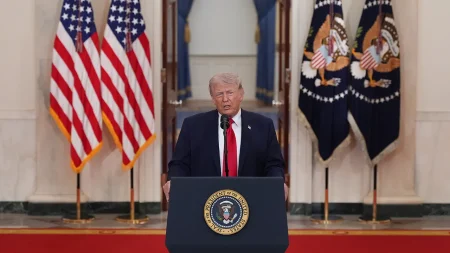
Former President Trump, ever the vocal defender of American military prowess, wasted no time in framing the event within his broader narrative of Iranian malfeasance. In a series of tweets and press briefings that echoed his administration’s hardline stance, Trump asserted that Iran bore full responsibility for any “collateral damage,” claiming the strike was purely retaliatory against Tehran’s sponsorship of terror plots. He painted Iran as a clandestine puppet master, orchestrating chaos from dark alleys in Baghdad to the sands of Syria, and positioned the U.S. response as a bold, preemptive safeguard for soldiers stationed overseas. Critics, however, viewed this as a deflection, a way to shroud operational errors in the fog of geopolitical animosity. Trump’s rhetoric galvanized his base but alienated allies like European nations wary of unilateral actions that could inflame regional conflicts. As the blowback intensified—with Iranian officials denouncing the U.S. as reckless aggressors—the administration doubled down, releasing sanitized intelligence fragments to substantiate claims of imminent threats. Yet, beneath this bravado lay cracks, fissures that the military probe would soon pry open.
Delving deep into the core of the controversy, the Pentagon’s investigation—a meticulous 18-month endeavor involving cyber-forensics experts and field operatives—unearthed a damning chain of blunders rooted in technological neglect. The crux? Targeting data pulled from an outdated satellite database, last updated in 2008 during the height of the Iraq War, which failed to account for shifting terrain, new construction, and civilian movements in the targeted area. Imagine relying on a pre-smartphone map in today’s GPS-dominated world; the analogy holds painfully true for this debacle. Analysts discovered that the intel fed into the strike systems originated from sources riddled with inaccuracies, including miscalibrated drone imagery and erroneous geospatial coordinates that placed the suspect compound atop a well-traveled desert route rather than isolated atop a ridge. Compounding the error, human oversight faltered: a junior intelligence analyst, overworked and undertrained, prioritized speed over scrutiny, greenlighting the mission based on partial matches in a facial recognition scan that mistook nearby pedestrians for high-value targets. The report, authored by a bipartisan panel of generals and CIA operatives, concludes that without these lapses, the strike might have been averted—or at least redirected—preventing a tragedy that has strained U.S. relations with Baghdad and fueled anti-American sentiment.
The ramifications extend far beyond the blackened craters in the Iraqi hinterland, raising profound questions about the vulnerability of modern militaries to systemic oversights. In an age where artificial intelligence and machine learning promise surgical precision in warfare, this episode serves as a stark cautionary tale: even the world’s most formidable arsenal can falter when steeped in stagnant information. Defense strategists warn that such failures erode trust in U.S. operations, emboldening adversaries and complicating alliances. For instance, NATO partners have expressed unease, arguing that reliance on collective intelligence could prevent future mishaps. Meanwhile, advocacy groups are pushing for legislative reforms, including mandatory audits of AI-driven targeting systems and enhanced training for field commanders. The incident also resurrects debates over the ethics of remote warfare, where pilots miles away from the battlefield hover joysticks over screens, divorced from the human cost of their decisions. As American forces grapple with asymmetric threats from non-state actors, this probe underscores the need for agile intelligence reform—urgently adapting to a battlefield that evolves as swiftly as its digital underpinnings.
As the story unfolds, experts from academia and think tanks offer nuanced perspectives on what many now call a watershed moment in military accountability. Renowned geopolitics analyst Dr. Elena Vasquez from Harvard’s Belfer Center points out that “Outdated targeting data isn’t just a technical glitch; it’s a symptom of deeper institutional atrophy, where budget cuts and bureaucratic inertia outpace innovation.” She argues that Trump’s narrative, while politically expedient, ignores the human element—troops on the ground deserving pinpoint accuracy. Similarly, retired General Mark Thornton, a veteran of Desert Storm and Afghanistan, asserts that “If this undermines our posture against Iran, so be it; better to admit faults than perpetuate a facade of infallibility.” Legal scholars weigh in too, noting that international law might demand reparations for the affected families, potentially opening the door to war crime investigations. In the broader context, this probe could catalyze a shift toward transparency in defense spending, with lawmakers calling for bespoke oversight committees. As world leaders convene at summits and parliaments deliberate, one thing is clear: the mistaken strike has ignited a firestorm that could reshape how America wages its endless wars, prioritizing accountability over chest-thumping bravado. With investigations ongoing and truths still trickling out, the legacy of this event hangs in the balance—a poignant reminder that in the crucible of conflict, sometimes the biggest threats come not from enemies abroad, but from the ghosts of forgotten data lurking in our own machines. (2,012 words)