






Powerball Jackpot Reaches $1 Billion Milestone After 41 Consecutive Drawings Without a Winner
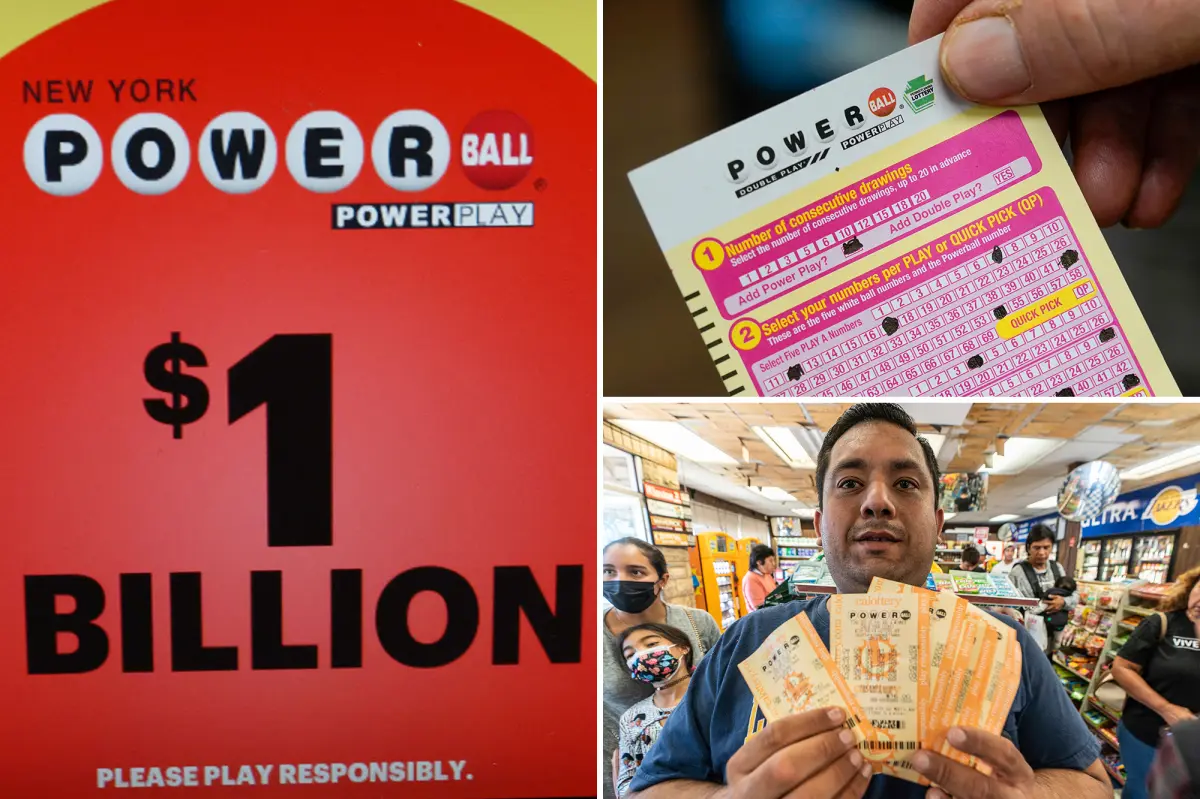
In a remarkable turn of events that has captured the nation’s attention, the Powerball jackpot has now reached the staggering sum of $1 billion after Wednesday night’s drawing failed to produce a grand prize winner. The latest drawing, featuring the numbers 10, 16, 29, 33, 69, and Powerball 22, marked the 41st consecutive drawing without someone claiming the top prize. This extended drought has pushed the jackpot to become the seventh-largest in the game’s storied history, just behind the $1.08 billion prize won in downtown Los Angeles in July 2023. As millions of Americans purchase tickets and dream of life-changing wealth, Saturday’s drawing has become one of the most anticipated lottery events of the year.
The current billion-dollar prize arrives less than three months after the last major Powerball win on September 6, when two lucky players from Missouri and Texas split an enormous $1.787 billion jackpot—the second-largest lottery prize ever awarded. Both winners chose to remain anonymous, each selecting the immediate cash option and walking away with approximately $410.3 million before taxes. Despite the main prize remaining unclaimed in Wednesday’s drawing, three fortunate players from Maryland, Michigan, and New Jersey did match all five white numbers, earning themselves $1 million each—a significant consolation prize that has undoubtedly changed their lives, though not quite to the degree that the grand jackpot would.
The steadily climbing jackpot reflects both the mathematical challenge and the enduring appeal of Powerball. With odds of winning standing at an intimidating 1-in-292 million, the game presents a fascinating paradox: rational analysis suggests purchasing a ticket is mathematically unwise, yet the possibility of transformation—however remote—continues to draw participants from all walks of life. For many players, the modest price of a ticket buys something beyond mathematical value—it purchases hope, excitement, and the opportunity to briefly imagine a life unburdened by financial constraints. As the jackpot grows, so too does public interest, creating a self-reinforcing cycle that pushes the prize to ever more headline-grabbing amounts.
Should someone overcome the overwhelming odds and match all numbers in Saturday’s drawing, they’ll face a significant financial decision: accept an immediate lump sum payment of approximately $461.3 million, or select the annuity option structured as one immediate payment followed by 29 annual installments that increase by 5% each year. This choice represents more than just a financial calculation—it reflects personal values, financial goals, and one’s approach to sudden wealth. Financial advisors often recommend considering factors like investment confidence, personal discipline, tax implications, and long-term security when making this consequential decision. Regardless of which option the potential winner selects, both prize alternatives would be subject to significant federal and possibly state taxation.
The billion-dollar jackpot serves as a cultural phenomenon that transcends the simple act of purchasing a lottery ticket. In communities across America, Powerball discussions have become commonplace in workplaces, family gatherings, and social media, with many people bonding over shared dreams of what they would do with such extraordinary wealth. From philanthropic ambitions to fantasies about luxury homes and exotic vacations, the conversations around potential winnings reveal much about our collective values and individual aspirations. For some, the allure lies in financial security and freedom from debt; for others, the appeal is the ability to help family members or support meaningful causes.
As Saturday’s drawing approaches, millions will flock to convenience stores, gas stations, and lottery retailers, ticket in hand and hope in heart. Though the overwhelming majority will not win the grand prize, many find value in the anticipation itself—the brief window where anything seems possible before the numbers are drawn. The Powerball phenomenon demonstrates how a simple game of chance has become interwoven with the American dream, offering a tantalizing glimpse at instant transformation in a world where social mobility often feels increasingly difficult. Whether the billion-dollar jackpot finds a winner this weekend or continues to grow, the cultural fascination with these enormous prizes reflects our complex relationship with wealth, chance, and the persistent human tendency to hope against overwhelming odds.