





Paragraph 1: A Tragic Beginning and a Long Shadow
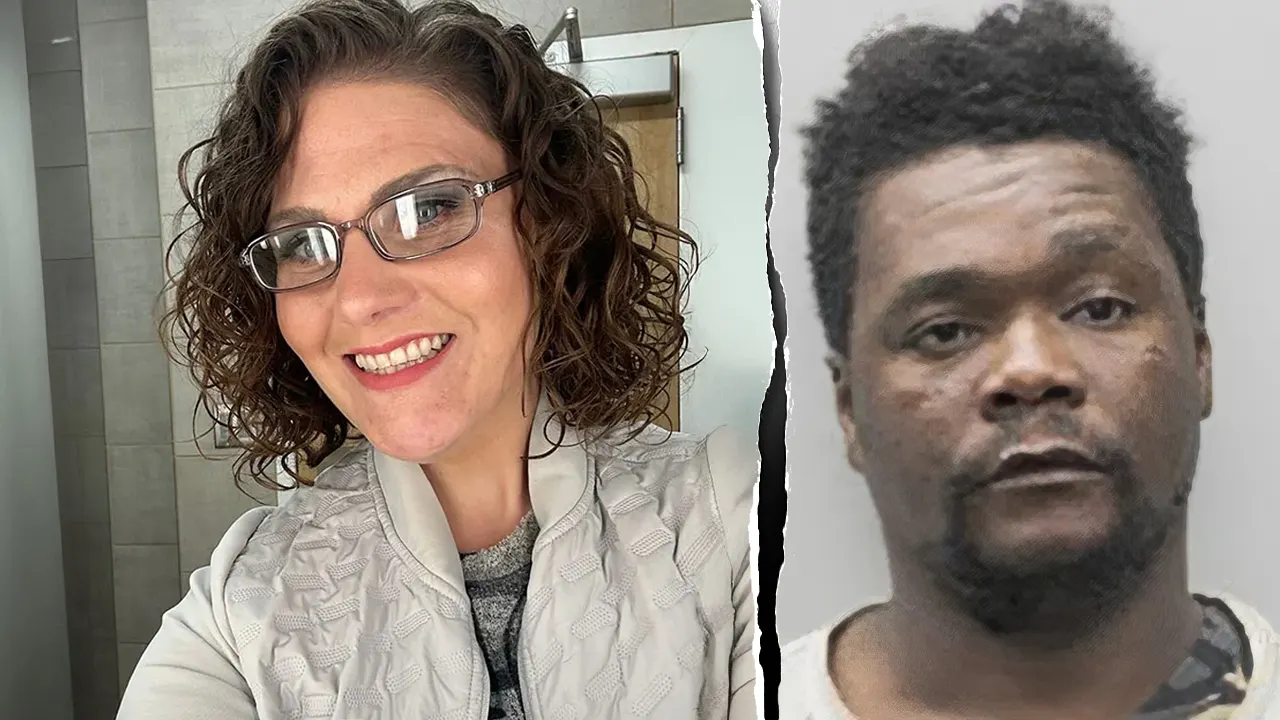
In the bustling suburbs of Fairfax County, Virginia, not far from the heart of Washington, D.C., a seemingly ordinary bus stop became the scene of unimaginable horror. Stephanie Minter, a devoted 41-year-old mother, was waiting for her ride home late one February evening when her life was cruelly extinguished. Allegedly stabbed to death by Abdul Jalloh, a 32-year-old man from Sierra Leone, the incident sent shockwaves through a community that prides itself on safety and family values. Stephanie wasn’t just another name in a headline; she was a mom, perhaps juggling errands, dreaming of weekend plans with her kids, or looking forward to the simple joys of home-cooked meals and bedtime stories. Her death wasn’t random—it was the tragic culmination of a pattern that law enforcement had been desperately trying to address. Jalloh, who had entered the United States illegally in 2012 at age nine, been raised in Virginia, and amassed a criminal record spanning over a dozen years, was no stranger to trouble. With more than 30 arrests to his name, ranging from petty theft to violent assaults, he embodied the nightmare scenario that police officers in Fairfax County had long feared. Imagine the horror for Stephanie’s family, left to grapple with grief so profound it defies words. Her children, suddenly motherless, now face a lifetime haunted by the void she left behind. And for the commuters who passed that bus stop daily, what might have been a routine journey home turned into a stark reminder of vulnerability. Jalloh was apprehended just a day after the stabbing at a nearby liquor store, arrested for shoplifting after an employee called 911, highlighting how close the community had been to disaster time and again. This wasn’t just a crime; it was a human tragedy, one that underscored the fragility of everyday life and the deep emotional scars left on survivors, friends, and neighbors alike. The weight of unheeded warnings adds layers of sorrow, making Stephanie’s story not merely a statistic, but a poignant plea for accountability.
Paragraph 2: A Pattern of Violence Repeatedly Ignored
Delving deeper into Abdul Jalloh’s past reveals a timeline of red flags that any reasonable person would call alarming. According to records from the U.S. Department of Homeland Security, his criminal history is a disturbing chronicle of escalating violence, with charges that paint a picture of a man whose actions repeatedly endangered lives. From assaults on family members to accusations of rape, malicious wounding, and firing weapons, Jalloh’s rap sheet includes over 100 documented incidents with police, from thefts and identity theft to brutal attacks. Picture the fear in the eyes of his victims—a woman choked, stomped on, burned, and allegedly raped in 2018; a homeless man stabbed in the head at a bus stop in 2024; an elderly man attacked without provocation in 2023. These aren’t just charges; they’re stories of terror inflicted on vulnerable people, each one a microcosm of societal breakdown. What makes it even more heartbreaking is that despite this mountain of evidence, local prosecutors dropped many of these cases through “nolle prossed” dismissals, meaning they chose not to pursue them. Charges like assault, grand larceny, and malicious wounding vanished, often without clear explanation, leaving Jalloh free to roam and repeat the cycle. For the individuals he preyed upon—many already marginalized by poverty and homelessness—these incidents weren’t abstractions; they were moments of raw survival, enduring pain that lingers long after the wounds heal. Jalloh’s history included offenses involving narcotics, disorderly conduct, and even contributing to the delinquency of a minor, hinting at a deeper pattern of recklessness toward community safety. As a father himself or perhaps part of a family, one might wonder about the home life that shaped such disregard for human dignity. Yet, time after time, he walked away, only to escalate: in 2023, he was sentenced to seven years for malicious wounding, with five suspended, a slap on the wrist that placated prosecutors but did nothing to protect the public. This isn’t cold data; it’s a human failure, where re-traumatized victims watched their abusers evade justice, fostering a climate of distrust and despair in Fairfax County.
Paragraph 3: Police Warnings Falling on Deaf Ears
The heart of this tragedy lies in the desperate pleas from law enforcement, a chorus of warnings ignored that paints a picture of frustration and helplessness. Emails obtained by WJLA-TV reveal the Fairfax County Police Department repeatedly alerting the county’s commonwealth attorney’s office about Jalloh’s dangerous nature, yet action to deport him never materialized. In one stark message, a police major expressed alarm to Chief Deputy Commonwealth’s Attorney Jenna Sands, highlighting Jalloh as a “repeat (and violent) offender” and questioning why he was released so quickly after prior cases. “Based on MTV Station’s numerous dealings with him,” the major wrote, it wasn’t a question of “if, but rather when he will maliciously wound (or worse) again.” These weren’t empty threats; they were grounded in patterns that officers saw firsthand, watching communities tremble. Another email detailed Jalloh’s 100-plus incidents, from domestic violence that “escalated to assaulting other victims and threats with weapons (knives).” The list included stabbing victims and a recent 2025 malicious wounding where he received a bond three weeks before further violence. Picture the officers who authored these emails—not faceless bureaucrats, but dedicated public servants, many with families of their own, driven by a calling to protect. They must have felt a profound sense of betrayal, knowing that their efforts to keep streets safe were thwarted by decisions higher up. The human element shines through in their urgency: they weren’t just reporting facts; they were pleading for human lives, including potential victims who could be neighbors, friends, or colleagues. Yet, prosecutors reportedly chose to handle cases delicately, sometimes opting for “victimless prosecutions” or dismissing charges due to lack of testimonies, leaving officers to wonder if justice was secondary to leniency. This silence amplified public fear, creating a narrative where good intentions clashed with harsh realities, and the voices of those on the front lines were drowned out.
Paragraph 4: The Human Faces Behind the Incidents
To truly humanize this story, we must zoom in on the individuals whose lives were forever altered by Abdul Jalloh’s actions, transforming cold statistics into poignant tales of resilience and suffering. Take the May 2025 stabbing of a sleeping man at a bus stop—a quiet moment shattered by violence, where Jalloh allegedly targeted a defenseless person merely resting. The victim, identified immediately, faced not just physical wounds but the psychological toll of betrayal at a place meant for refuge. Similarly, an elderly man stomped on in 2023, or a woman attacked and robbed in 2024, emerged from these encounters scarred, wary of public spaces, and questioning the safety of their daily routines. These victims aren’t nameless; they’re the backbone of our society—elderly grandparents, hardworking individuals just trying to get by, now confined by fear that restricts movement and joy. Imagine a mother, like Stephanie Minter, unaware that her path had crossed with such danger, her final moments a horrifying blur of pain while waiting for a simple ride. For Jalloh himself, despite his predatory behavior, rumors swirl about his background—an illegal immigrant raised in the U.S. since childhood, perhaps grappling with his own struggles in a foreign land, but his choices to victimize others overshadow any potential sympathy. Police records note his frequent intoxication, shoplifting sprees, and brazen disregard for probation, living in an OAR-sponsored motel room—a sobering reminder of how systemic failures can enable predators. The officers’ detailed incidents highlight a man who “has shown a blatant disregard for human life,” yet humanizing means acknowledging the ripple effects: communities divided, trust eroded, and families like Stephanie’s shattered by loss. A pro-police group even called for probes into prosecutors’ decisions, echoing public outcry. In these faces, we see mirrors of ourselves—vulnerable, hopeful, and deserving of protection, turning a news story into a call for empathy and reform.
Paragraph 5: Authority Responses and Accountability Questions
As the dust settles on this case, the responses from key figures reveal a complex web of responsibility, underscoring tensions between law enforcement, prosecutors, and elected officials. Fairfax County Police Chief Kevin Davis defended his department’s efforts in a statement, emphasizing thorough investigations and arrests, while distancing outcomes from police shortcomings. “We remain committed to our role to ensure that happens,” he asserted, but the subtext is clear: officers feel their hands were tied by prosecutorial decisions. The commonwealth attorney’s office, through a spokesperson, acknowledged awareness of Jalloh’s history and “potential future dangerousness,” claiming personal oversight by their chief deputy and explorations of prosecution avenues constrained by court limits. Yet, this rhetoric rings hollow for those mourning losses, highlighting a disconnect between intentions and results. On a political level, Democratic Governor Abigail Spanberger refused to honor a federal ICE detainer for Jalloh’s deportation, insisting on a judicial warrant despite his charges. Her office cited “serious concerns” with federal actions eroding trust, but critics, including DHS, slammed her as a “sanctuary” figure protecting criminals over citizens. An X post from DHS called her directive outrageous, labeling it as “blood on their hands” and vowing to pursue removals regardless. This isn’t abstract policy; it’s a governor prioritizing politics over the safety of families like Stephanie’s, where decisions reverberate through grieving households. For immigrants facing challenges, such stances foster division, but for crime victims, it feels like abandonment. Prosecutors like Steve Descano and Jenna Sands faced scrutiny for dropping charges, amid whispers of external influences. Humanizing this means recognizing the toll on all sides: officers burned out from futile warnings, families demanding answers, and leaders navigating public pressure. Ultimately, it begs the question of accountability—why was a known threat allowed to harm again? The answer, shrouded in bureaucracy, leaves emotional voids that resonate deeply.
Paragraph 6: Broader Implications and Calls for Change
This chilling saga of Abdul Jalloh’s case extends far beyond one victim’s death, sparking nationwide debates about immigration, justice, and community safety that touch hearts across America. In Fairfax County, Stephanie Minter’s murder amplifies fears among parents—imagining their own bus-stop waits turning deadly—while highlighting systemic flaws in handling repeat offenders, especially those in the country illegally with extensive records. The DHS’s sharp critique of local and state actions, branding them as “chaotic” and fear-mongering, underscores a clash between federal mandates and local autonomy, leaving everyday citizens in limbo. For those wrongly stereotyped as threats, it reinforces stereotypes that alienate; for crime-weary residents, it fuels resentment and isolation. Pro-police advocates demanding DOJ probes into prosecutors echo a public thirst for transparency, where human stories like Minter’s galvanize movements for stricter enforcement. Yet, beneath the outrage lies a call for empathy—understanding Jalloh’s troubled path without excusing harm, or recognizing the burdens on prosecutors juggling limited resources. Community groups and nonprofits like OAR, providing housing for probationers, grapple with outcomes, their well-meaning efforts sometimes backfiring in tragic ways. This isn’t just about one man or one incident; it’s a mirror to societal divides, where trust breaches widen chasms between neighbors. Families mourning Stephanie might find solace in advocacy, pushing for reforms that prioritize victims’ voices. In the end, humanizing means envisioning a future where such horrors are preventable—through proactive deportations, reformed prosecution, and policies bridging compassion with accountability. Stephanie’s legacy could ignite change, transforming grief into action, and reminding us that every life matters, even in the shadows of policy battles. As Fairfax County heals, her story urges all of us to confront uncomfortable truths for the sake of safer tomorrows.