





UK Police Bolster Security Measures Following International and Domestic Terror Incidents
British Law Enforcement Adopts “More Assertive” Stance Amid Rising Security Concerns
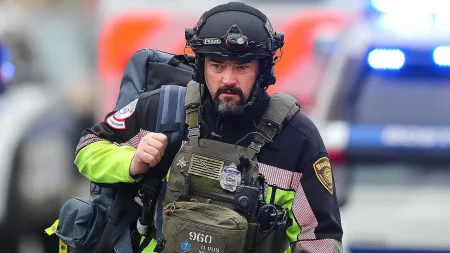
In the wake of the devastating Bondi Beach attack in Australia and a recent terrorist incident targeting a British synagogue, police forces across the United Kingdom have announced significant changes to their security protocols. Authorities in London and Manchester, two of Britain’s largest metropolitan areas, have publicly committed to implementing what they describe as a “more assertive” approach to public safety and counterterrorism efforts. This shift in policing strategy represents one of the most substantial tactical adjustments in recent years, as law enforcement agencies grapple with evolving security threats both domestically and from international influences.
The Metropolitan Police Service, commonly known as Scotland Yard, issued a comprehensive statement outlining their enhanced security measures, which will include increased visible police presence at high-risk locations, expanded deployment of specialized counterterrorism units, and more intensive intelligence gathering operations. “The horrific events we’ve witnessed both abroad and on British soil demand a recalibration of our security posture,” said Commissioner Sir Mark Rowley during a press briefing at New Scotland Yard. “While we have always maintained robust counterterrorism capabilities, the current threat landscape requires us to adopt more proactive and assertive measures to safeguard our communities.” The commissioner emphasized that these changes would be implemented with careful consideration for civil liberties and community relations, noting that effective policing requires maintaining public trust while enhancing security protocols.
Coordinated Response Follows International and Domestic Incidents
The decision to enhance security measures follows two tragic events that have shocked the international community. The massacre at Bondi Beach in Australia, which resulted in multiple casualties and widespread trauma in one of Sydney’s most iconic locations, sent shockwaves through global security agencies. Although occurring thousands of miles from British shores, the attack prompted immediate reviews of security protocols at similar public spaces throughout the UK, particularly at popular tourist destinations and crowded recreational areas. Security experts note that such international incidents often trigger reassessments of domestic vulnerabilities, especially when they target locations with similar characteristics to those found in Britain.
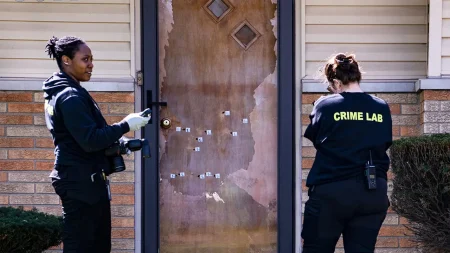
Closer to home, the terrorist attack at a British synagogue has heightened concerns about the safety of religious and community centers across the country. This incident, which authorities are investigating as an act of domestic terrorism with possible international connections, has particularly alarmed Jewish communities throughout the UK. Greater Manchester Police Chief Constable Stephen Watson addressed these concerns directly: “We recognize the profound impact this attack has had on our Jewish communities and other religious groups who now feel increasingly vulnerable. Our enhanced security approach is designed not just as a response to these specific incidents, but as a comprehensive strategy to protect all communities from extremist threats, regardless of their source.” The coordinated response between London and Manchester police demonstrates an unprecedented level of cooperation between major UK law enforcement agencies, reflecting the gravity with which authorities view the current threat environment.
New Measures Include Advanced Technology and Community Engagement
The enhanced security framework will incorporate cutting-edge technology alongside traditional policing methods. Both London and Manchester police forces have announced significant investments in advanced surveillance systems, including artificial intelligence-powered video analysis, expanded CCTV networks with improved facial recognition capabilities, and sophisticated data analytics to identify potential threats before they materialize. “Twenty-first century threats require twenty-first century solutions,” explained Deputy Assistant Commissioner Lucy D’Orsi, who leads counterterrorism operations for the Metropolitan Police. “While visible policing remains essential, much of our enhanced capability will involve invisible digital infrastructure that allows us to identify and disrupt threats at earlier stages.”
Beyond technological solutions, authorities have emphasized the crucial role of community engagement in their revamped security approach. Both police forces are establishing specialized community liaison teams dedicated to building stronger relationships with vulnerable communities, improving intelligence gathering, and addressing concerns about increased police presence. “Effective counterterrorism requires public cooperation and trust,” said Assistant Chief Constable Wasim Chaudhry of Greater Manchester Police. “We’re implementing comprehensive training programs for officers to ensure our more assertive approach doesn’t undermine the police-community relationships that are essential to our work.” This dual focus on technology and community engagement represents a nuanced approach to modern security challenges, acknowledging that neither element alone provides complete protection against determined attackers.
Security Experts and Civil Liberties Groups React to Policy Shift
The announcement of more assertive policing has generated diverse reactions from security experts and civil liberties advocates. Former MI5 intelligence officer Richard Barrett described the measures as “necessary but challenging to implement effectively,” noting that “the balance between proactive security and maintaining an open, democratic society has never been more difficult to achieve.” Barrett praised the emphasis on intelligence gathering and community engagement, suggesting these elements provide the most sustainable long-term security benefits with minimal social costs.
However, civil liberties organizations have expressed concerns about potential overreach. Martha Spurrier, Director of Liberty, cautioned that “while public safety is paramount, history shows that expanded security powers often disproportionately impact minority communities and can erode the very freedoms they aim to protect.” Spurrier called for robust oversight mechanisms and transparent reporting on the implementation of new security measures. Muslim Council of Britain spokesperson Zara Mohammed added that “our communities support effective security measures, but these must be implemented with cultural sensitivity and a commitment to protecting all citizens equally.” Security policy experts note that the success of the new approach will largely depend on how well authorities navigate these competing concerns while adapting to evolving threats. The government has promised regular parliamentary reviews of the enhanced security measures to ensure they remain proportionate and effective.
International Cooperation and Future Security Landscape
The shift in British policing strategy highlights a broader international trend toward greater security cooperation across borders. Officials confirmed that British security services have been in close contact with Australian authorities to gather insights from the Bondi Beach attack investigation that might help prevent similar incidents in the UK. This international dimension extends to cooperation with European partners despite post-Brexit complications in security arrangements. “Terrorism recognizes no borders, and our response must be equally borderless,” said Home Secretary James Cleverly. “We remain committed to the closest possible security cooperation with our international partners, sharing intelligence and best practices to protect all our citizens.”
Looking forward, security analysts predict that the more assertive approach adopted by UK police forces may influence policing strategies across Europe and beyond. Professor Michael Clarke, former Director-General of the Royal United Services Institute, suggested that “we’re witnessing a significant evolution in how democratic societies balance security imperatives with civil liberties in an age of unpredictable threats.” Clarke emphasized that the effectiveness of the new measures would ultimately be judged not just by their ability to prevent attacks, but by how they maintain public confidence and social cohesion during periods of heightened security. As London and Manchester implement these enhanced security protocols, citizens are being encouraged to remain vigilant while continuing their daily lives—a challenging balance that reflects the complex reality of contemporary security challenges in open, democratic societies.