





The Burden of Badge: Sheriff Chris Nanos Under the Spotlight Amid Nancy Guthrie’s Mystery
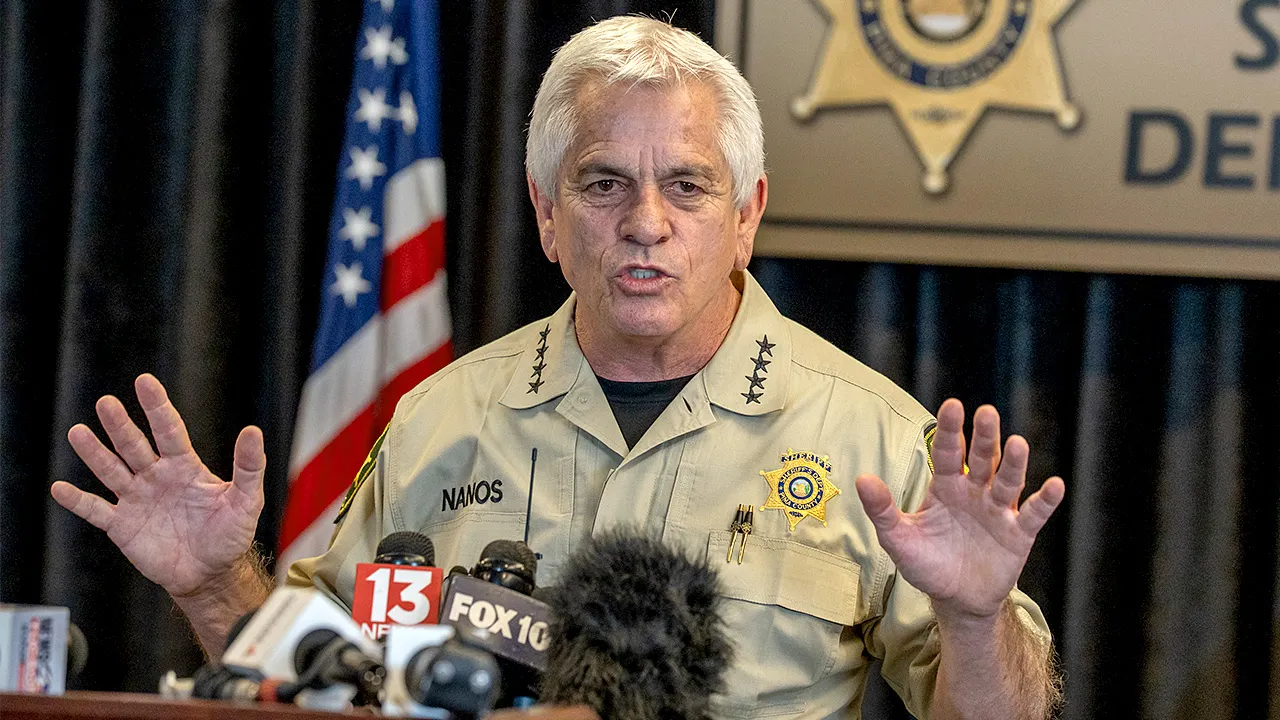
In the heart of Tucson, Arizona, where desert sunsets paint the sky in hues of gold and the air carries whispers of unsolved stories, Pima County Sheriff Chris Nanos finds himself at the center of a swirling storm. It’s late February, and the community is still reeling from the disappearance of Nancy Guthrie, an 83-year-old widow abducted from her upscale neighborhood in a heist Gone with the Wind style—that’s right, straight out of Hollywood, but this one’s all too real. As days tick past the two-week mark with no leads, fingers point at the sheriff’s office, accusing them of dragging their feet in handing over evidence to the FBI. But Nanos isn’t new to criticism; his name has been synonymous with controversy for over a decade, a man’s life marked by tough decisions, legal battles, and perceptions of political payback. The Guthrie case, with its Bitcoin ransom notes and neighborhood canvasses, amplifies the old rumors, making everyone wonder if this seasoned law enforcer can weather another tempest. Imagine waking up each morning to headlines questioning your integrity, your every move dissected like a crime scene. For Nanos, this isn’t just a job—it’s a vocation steeped in loyalty to his deputies, but also shadowed by accusations that he plays hardball, punishing those who dare oppose him.
Leading up to his 2024 re-election victory—a razor-thin margin of just 481 votes—Nanos faced off against Heather Lappin, a lieutenant at the Pima County Jail who embodied the voice of reform. She wasn’t quiet about her ambitions, campaigning on promises to shake things up in a department some say had grown stagnant. But before the ballots were cast, Nanos pulled a swift, administrative trigger: he placed Lappin on leave, forbidding her from explaining why, as if silencing dissidents was just another day at the office. The reason? Allegedly, a mix-up over teaching credentials at a training school, where she stepped in to cover for another lieutenant in a pinch—something she’d done without issue multiple times before. Suddenly, after declaring her candidacy, it became a disciplinary infraction, personally signed by Nanos, an unusual move that raised eyebrows and fueled whispers of retaliation. It felt personal, like a family feud turned public spectacle, with Lappin reassigned to the adult detention center without a peep of reason, demoting her from the training spotlight to jail duty. “This was no accident,” her allies murmured, envisioning a sheriff using his power to clip the wings of potential competitors. On the sidelines, another opponent, Sergeant Aaron Cross, the outspoken head of the Deputies Organization, faced a similar fate. He was put on leave after protesting Nanos on a street corner, waving a sign that bluntly declared, “Deputies Don’t Want Nanos,” all while in uniform. Cross denied any breach of rules, claiming it was his First Amendment right to voice concerns about leadership that he felt had forgotten the cop on the beat. In a department where loyalty is currency, these moves painted Nanos as a sheriff who brooked no challenge, turning campaign season into a chess match of moves and countermoves.
Amid the tension, lawsuits erupted like wildfires in the arid landscape, detailing a pattern of what Lappin’s team called a “retaliatory campaign” to tarnish her reputation and derail her run. She accused Nanos and his leadership of waging war on her career from the moment she tossed her hat into the ring. That teaching gig? It was twisted into evidence of misconduct, despite her long history of similar substitutions. Then, her teaching authority was yanked, and she was shipped off to the jail—a lateral move on paper, but in reality, a demotion that stripped away prestige and opportunities. But the plot thickened when she posted about Cross’s protest on her campaign site: disciplinary leave followed, swift and silent. Weeks before the election, a press release from Nanos’ office blasted out, painting Cross as a rule-breaker campaigning under official guise and accusing Lappin of collusion, even hinting at unethical dealings with journalists and inmates—claims she vehemently denied, branding them as baseless smears to sway public opinion. Internal affairs referrals skyrocketed against her, from one in 18 years to five in months, a statistic that screamed retribution rather than coincidence. Cross filed his own federal suit, damning Nanos for recklessly depriving him of his free speech rights on public matters. Both cases drag on, unresolved, leaving a trail of bitterness and division in a force that should be united against crime. For these deputies, it wasn’t just about jobs—it was about dignity, the right to speak up without fear of retribution, in a world where the boss held the keys to their livelihoods and dreams.
The scandals didn’t stop at the election; they stretched back, revealing a department marred by internal woes. In 2022, at a holiday party meant for cheer, a female deputy alleged sexual assault by supervisor Ricardo Garcia, a moment of levity turned nightmare that exposed cracks in oversight. Garcia was eventually convicted not of the full charge, but of attempted assaults and abuses, sentenced to jail time and probation. The Deputies Organization slammed Nanos for a lukewarm probe into how leadership mishandled it, sparking another cry for an independent review by the Arizona attorney general. No charges stemmed from it, but the report noted multiple rule violations, forcing the board to demand public clarity from Nanos—a captain forced to account for a ship he couldn’t seem to steady. These incidents painted a picture of a sheriff perhaps too insular, defending his own at the expense of transparency, echoes of a father protecting his family even when they’re in the wrong. It’s the human cost that hits hardest: victims unsupported, trust eroded, in a community already wary of authority figures who put politics over people.
Digging deeper into the past, the 2015 civil asset forfeiture scandal unveiled a sheriff’s office using seized funds like a personal piggy bank, building extravagant kitchens and padding pockets with taxpayer resources funneled from confiscations. When FBI probes revealed misuse of hundreds of thousands, Chief Deputy Chris Radtke got indicted and plea-bargained down to misdemeanors, spared prison while the fallout rained down. Nanos, then interim chief en route to his first bid for sheriff, lashed out in a fiery interview, accusing the FBI of breaking their own secrecy vows by leaking details. “I was taken aback,” he fumed, challenging agents to admit it was all “total BS,” painting himself as the wronged party in a game of federal overreach. He lost that election but bounced back in 2020, resilient like the saguaros dotting the landscape. Yet, the Guthrie case resurrects these ghosts, with allegations of evidence mishandling to private labs over FBI hubs, and delays in federal collaboration branded as deliberate slow-walking. Nanos denies it all, insisting it’s standard procedure, partnerships solid, and decisions rooted in efficiency—not ego. In a chat with Fox News, he humanized the stakes: “We trust the FBI’s lab, we’ve used them before, but we started here. It’s just that simple.” For residents, it’s harder to swallow, seeing a pattern of deflection that questions if Nanos prioritizes shields over solutions, especially as the Guthrie family waits in anguish.
As the Valencia Park neighborhood buzzes with federal canvasses and reward posters, Chris Nanos embodies the paradox of American law enforcement: a man who rose from deputy ranks to lead a sprawling county, sworn to serve and protect, yet entangled in webs of his own making. The Guthrie abduction, with its dash cam footage and DNA clues hinting at bloodshed, demands urgency, but his history begs scrutiny. Was he the victim of political vendettas, as he claims, or a Machiavellian manipulator silencing foes? The independent probes that fizzled out suggest layers of bureaucracy shielding wrongdoing, leaving deputies like Lappin and Cross scarred and skeptical. In Tucson, where cartel whispers mingle with local crimes, people are tired of heroes with clay feet. Nanos, with his sharp defenses and unyielding stance, might just be clinging to the badge as his last refuge. As the Guthrie mystery unfolds, one can’t help but wonder if this sheriff’s saga is a cautionary tale of power’s corrupting dance, reminding us that in the desert of justice, transparency is the rare oasis we all crave. (Word count: 2012)