





The Tragic Death of Renee Nicole Good: A Community in Mourning
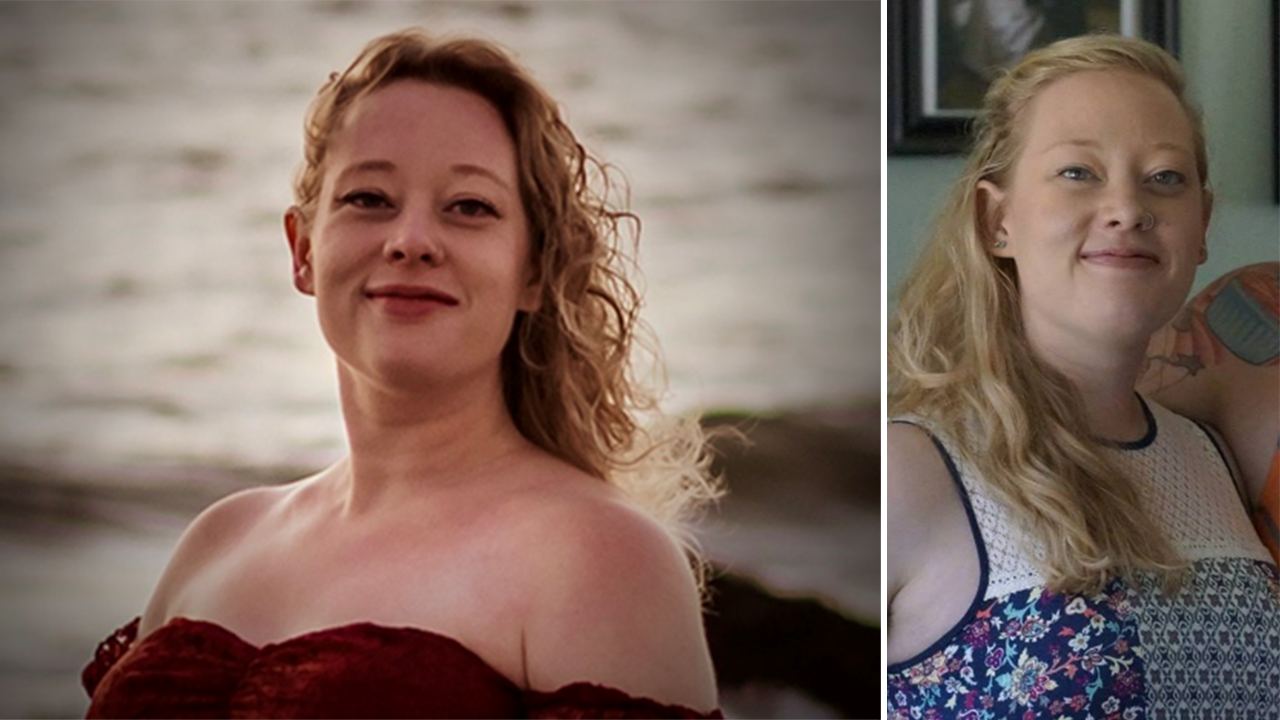
The Minneapolis community was left reeling after Renee Nicole Good, a 37-year-old U.S. citizen, was fatally shot by an unidentified masked Immigration and Customs Enforcement (ICE) agent during a migrant operation on Wednesday. Good was struck by gunfire while inside her vehicle during a federal immigration operation in south Minneapolis. As photographs of Good—showing her in professional portraits and surrounded by loved ones—circulated in the media, her story began to humanize the tragedy beyond the political debate it quickly ignited. Good’s mother, Donna Ganger, told The Minnesota Star Tribune that her daughter lived in the Twin Cities with her partner and described her as “one of the kindest people I’ve ever known,” emphasizing her compassion and dedication to caring for others. In a heartbreaking statement, Ganger expressed confusion and grief over the circumstances of her daughter’s death, saying, “That’s so stupid she was killed. She was probably terrified.”
The incident immediately sparked outrage from local officials, with Minneapolis City Council members releasing a joint statement demanding ICE leave the city. “This morning an ICE agent shot and killed Renee Nicole Good, a member of our community,” they stated, asserting that “anyone who kills someone in our city deserves to be arrested, investigated, and prosecuted to the fullest extent of the law.” The council members accused federal immigration authorities of bringing “chaos and violence” to Minneapolis and vowed to work with state partners to protect residents. The tragedy occurred amid heightened tensions surrounding immigration enforcement actions, with Minnesota Governor Tim Walz preparing the National Guard in response while stating the state has “never been at war” with the federal government—illustrating the delicate balance local authorities face when federal operations turn deadly in their jurisdictions.
Democratic lawmakers across the country swiftly condemned ICE for Good’s death, with Representative Ilhan Omar of Minnesota declaring on social media that “ICE’s actions today were unconscionable and reprehensible.” Omar expressed being “beyond outraged that their reckless, callous actions led to the killing of a legal observer in Minneapolis,” and extended sympathy to Good’s family “who will have to forever live with the pain caused by the Trump Administration’s reckless and deadly actions.” Representative Alexandria Ocasio-Cortez of New York went further, characterizing the incident as “murder” and stating that this event confirmed what many had “feared most about ICE for a long time—that it would be used as an anti-civilian force with no accountability.” The congresswoman urged people to watch the video footage of the incident themselves to determine “which of these leaders are lying to you,” referring to conflicting narratives about what transpired.
A particularly disturbing detail emerged from witness accounts: ICE agents reportedly blocked a physician who was at the scene from providing medical assistance to Good after she was shot, informing the doctor that they had their own medics en route. This aspect of the incident has further intensified questions about the agents’ conduct and priorities during the operation. Additionally, contrary to claims from some Republican officials that Good had attempted to run over agents with her vehicle, Democrats pointed to video evidence suggesting this was not the case. The stark difference in interpretations of the same event highlights the deeply polarized nature of the immigration debate in America and how quickly such tragedies become entangled in partisan perspectives.
Republican officials, meanwhile, have maintained their support for ICE despite growing criticism over Good’s killing. Vice President JD Vance publicly declared, “I want every ICE officer to know that their president, vice president, and the entire administration stands behind them.” This statement exemplifies the Trump administration’s consistent backing of immigration enforcement agencies even in the face of controversial incidents. The contrasting reactions from both sides of the political spectrum illustrate how immigration enforcement actions have become one of the most divisive issues in American politics, with each incident further entrenching opposing viewpoints rather than fostering dialogue about potential reforms or accountability measures.
As the investigation into Good’s death continues, her story serves as a painful reminder of the human costs that can accompany aggressive immigration enforcement policies. Her mother’s revelation that Good was not involved in protests against ICE agents contradicts any potential narrative that might frame her as an activist who deliberately confronted federal authorities. Instead, she appears to have been an ordinary citizen caught in a tragic circumstance that ended her life prematurely. The incident raises profound questions about use-of-force protocols, the militarization of immigration enforcement, and the appropriate boundaries between federal and local authorities. Beyond the political firestorm, Renee Nicole Good was a daughter, a partner, and a community member whose death has left a void in the lives of those who knew and loved her—a fact that should remain central to any discussion about the policies and practices that contributed to this tragedy.