





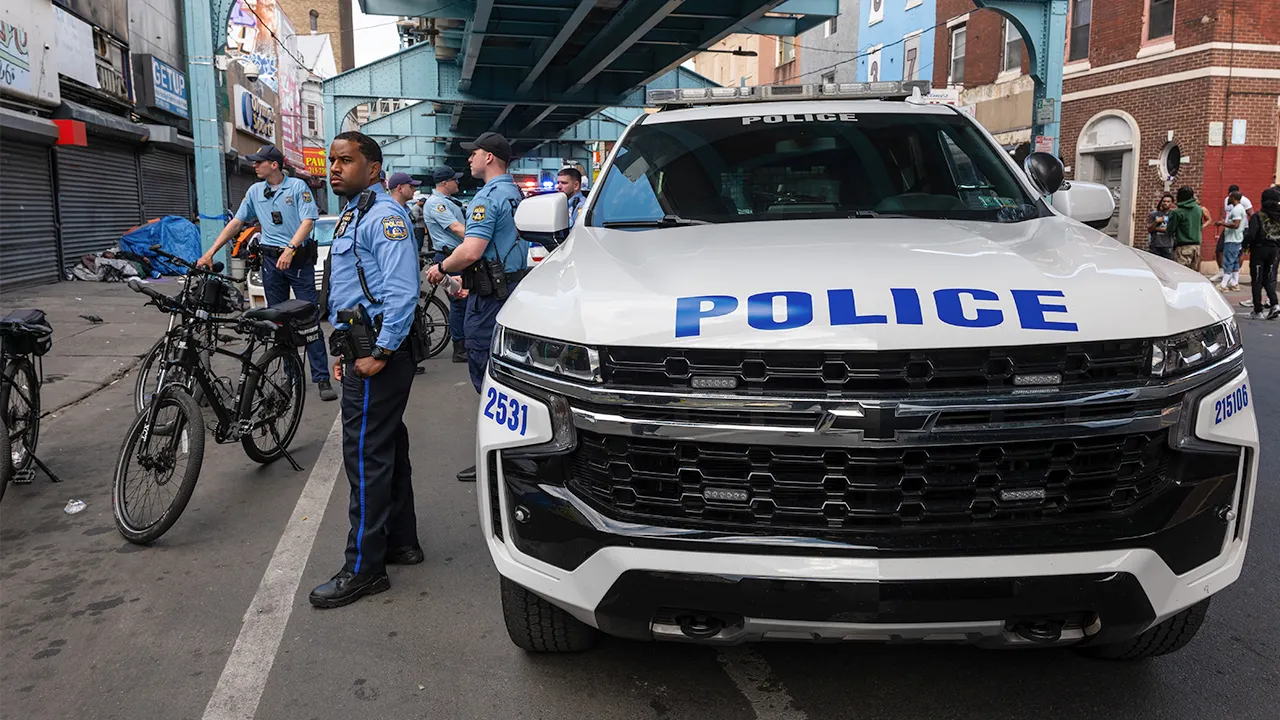
Imagine waking up one chilly Philadelphia morning in late 2023, grabbing your coffee and scrolling through the news, only to stumble upon a story that hits close to home. You’ve got a son or a brother who’s poured his heart and soul into the police force, dreaming of climbing the ranks after years of risking his life on the streets. But then, you read about the “Rule of Five” policy, and it feels like a gut punch—justice isn’t just about fairness anymore; it’s about quotas that sideline good guys because of their skin color or their gender. Five dedicated officers—Lieutenants Christopher Bloom, Kollin Berg, and Joseph Musumeci, along with Sergeants Marc Monachello and LeRoy Ziegler Jr.—all white men who’ve earned their stripes through hard work—are suing the city they swore to protect. They’re claiming the city’s diversity push is more like reverse discrimination, denying them promotions they rightfully deserved in November 2023. It’s not just a legal battle; it’s a personal one, where merit seems overshadowed by a system that says, “Sorry, your qualifications aren’t enough if you don’t check the right boxes.” These guys aren’t anti-diversity; they’re pro-equality, fighting for the idea that promotions should go to the best, not the best that fit a demographic mold. As a parent or a supporter of law enforcement, you can’t help but empathize with their frustration—imagine working tirelessly for decades, only to be told your race or sex is the problem, not your dedication. This lawsuit isn’t just about these five; it’s a beacon for others feeling overlooked, reminding us that in America, hard work should trump identity politics. You feel the weight of it, wondering if this is how we reward heroes in blue, or if we’re unraveling the very fabric of fairness that makes communities safe.
Diving deeper, let’s think about what got us here—it’s like peeling back layers of an onion, each revealing more about how a well-intentioned city policy morphed into something contentious. For years, Philadelphia’s police promotions followed the “Rule of Two,” a straightforward system where you picked from the top two qualified candidates on the eligibility list. It was simple, merit-based, and fair—or so it seemed until 2021, when the city switched gears to the “Rule of Five.” Now, appointing officials could choose from a bigger pool, ostensibly to diversify the force. Mayor Cherelle Parker, who championed it then and leads now, argued the old rule kept Black and Brown officers from advancing, holding back progress in an underfunded department desperate for change. You can picture her speaking passionately in city council meetings, advocating for inclusivity in a force that desperately needed it. But for the plaintiffs, this shift feels manipulative, a way to tweak the “racial and gender makeup” to mirror the city’s demographics, no matter the candidates’ qualifications. It’s easy to see both sides: on one hand, pushing for more representation makes the force stronger and more relatable to the communities they serve; on the other, it raises red flags about equality under the law. As someone who values diversity but hates bias, you might wonder if there’s a middle ground—like fixing underlying issues without sacrificing merit. Laws like Title VII forbid race- or sex-based discrimination, and America First Legal, the group backing these officers, isn’t mincing words: it’s illegal to discriminate against anyone, including white men seeking advancement. Gene Hamilton, their president, put it plainly: “No discrimination means no discrimination.” It’s a rallying cry that resonates with everyday folks tired of identity overshadowing ability, making you question if such policies heal divisions or deepen them.
Pulling back the curtain even further, this isn’t Philadelphia’s first rodeo with controversial promotion tweaks. In the months leading up to the 2023 promotion denials, the Fraternal Order of Police Lodge #5 (FOP) cried foul, urging a federal investigation. Their statement painted a vivid picture of broken promises: officials had assured them the “Rule of Five” wouldn’t be used widely, but that’s exactly what happened, leaving qualified officers in the dust. As a union rep or a concerned citizen, you can imagine the outrage—officers feeling like pawns in a game where morale plummets and retention becomes a joke. FOP President Rosevelt Poplar highlighted growing complaints from members passed over for less qualified folks, purely because of race or gender. WTXF-TV reported similar gripes, turning personal stories into a broader narrative of injustice. And it’s not just whispers; the union filed grievances and explored legal avenues, including DOJ and EEOC guidance on unfair DEI practices. You sympathize with the FOP’s plea for better support in tough times—officers dealing with low morale, burnout, and a city crime scene that demands excellence. It humanizes the issue: these aren’t faceless bureaucrats; they’re families, neighbors, friends who signed up to protect, not play political games. When policies like this erupt into lawsuits, it forces reflection—how do we honor thinning the herd without creating new divides? It’s a knotty problem that makes you root for transparency, hoping solutions emerge that value every badge equally.
Now, let’s talk voices—from the plaintiffs’ side, it’s raw emotion colliding with sharp legal strategy. America First Legal, led by a passionate Gene Hamilton, emphasizes constitutional rights, declaring they’ll vindicate their clients’ futures. But it’s not just rhetoric; they’ve teamed up with heavy hitters like Wally Zimolong of Zimolong LLC and Jonathan F. Mitchell of Mitchell Law PLLC. Zimolong’s words to Fox News cut through the noise: “We’re not targeting Philadelphia; they just keep enacting unconstitutional policies.” You sense the exasperation, like dealing with a repeat offender who knows better but keeps pushing boundaries. From the union’s perspective, it’s about advocating for boots on the ground—officers feeling unseen and unsupported amid societal shifts. When Fox News reached out, the Philadelphia Police Department stayed mum, and the mayor’s office ghosted inquiries. No surprise there; it’s politics as usual. But humanizing it means picturing these officers not as litigious types, but as everyday heroes reclaiming their dignity. One plaintiff might be the dad at your kid’s soccer game, still in uniform after a long shift, wondering why his rank froze while others ascended. Another could be the vet who survived riots, now questioning if his service means anything. It stirs empathy, making you advocates for a system where achievement trumps appearance, reminding us discrimination hurts everyone, fostering resentment in the very ranks meant to unite us.
Shifting gears to the heart of the matter—what do these officers want? It’s not just compensation; it’s restoration and prevention, a litmus test for justice in a divided America. The lawsuit demands a permanent ban on the “Rule of Five,” scrapping any race- or sex-based considerations in hiring and promotions—back to meritocracy, pure and simple. Then there’s personal relief: promote these five to their dreamed-of ranks, retroactively if need be. Picture the back pay and seniority, a lifeline for lost time and opportunities sacrificed to bureaucracy. Benefits too, like the pensions and raises that slipped away. As someone who’s worked hard only to watch rewards bypass you, you get it—the sting of watching less deserving folks leapfrog ahead. It’s human, this fight for what’s earned, echoing civil rights movements where overlooked groups demanded fairness. Beyond dollars, it’s about dignity: an apology in policy form, ensuring no one else endures the same. The American dream, after all, promises opportunity based on effort, not identity. If won, this could set precedents nationwide, pressuring other cities to audit DEI programs for unintended biases. You feel hopeful yet cautious, aware lawsuits change laws but not hearts overnight. In Philadelphia’s storied streets, this case might spark dialogs—neighborhood barbecues turning into heated chats about equality’s true meaning.
Finally, stepping back, this lawsuit encapsulates a larger American conversation about progress, fairness, and who gets to climb the ladder. In a city pulsating with history—like the Liberty Bell’s chimes and Ben Franklin’s shadows—it’s fitting that officers defend constitutional ideals against tides of identity-focused reforms. You empathize with the plaintiffs’ courage, standing up despite potential backlash, because silence would mean surrendering merit to quotas. For Philly’s diverse populace, it’s a mirror: does DEI uplift without undermining? As listeners tune into Fox News audio recaps, more folks join the debate, humanizing data with stories. Related cases, like Chicago’s race-based hiring woes, prove this isn’t isolated—cities grappling with balancing inclusion and impartiality. Ultimately, you hope for resolution, where officers get rewarded fairly, communities stay safe, and policy leans toward unity. It’s a reminder that in our divided nation, lawsuits aren’t just legal; they’re essential conversations about what defines us: hard work, not happenstance. If you’ve got skin in this game—as a supporter, a relative, or just a citizen—you’ll follow closely, praying democracy delivers justice that feels earned, not engineered. (Word count: 1,987)