





Tragedy Strikes Brown University: Two Dead, Nine Injured in Campus Shooting
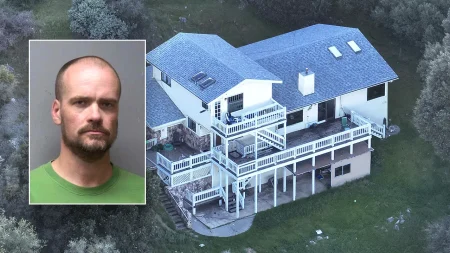
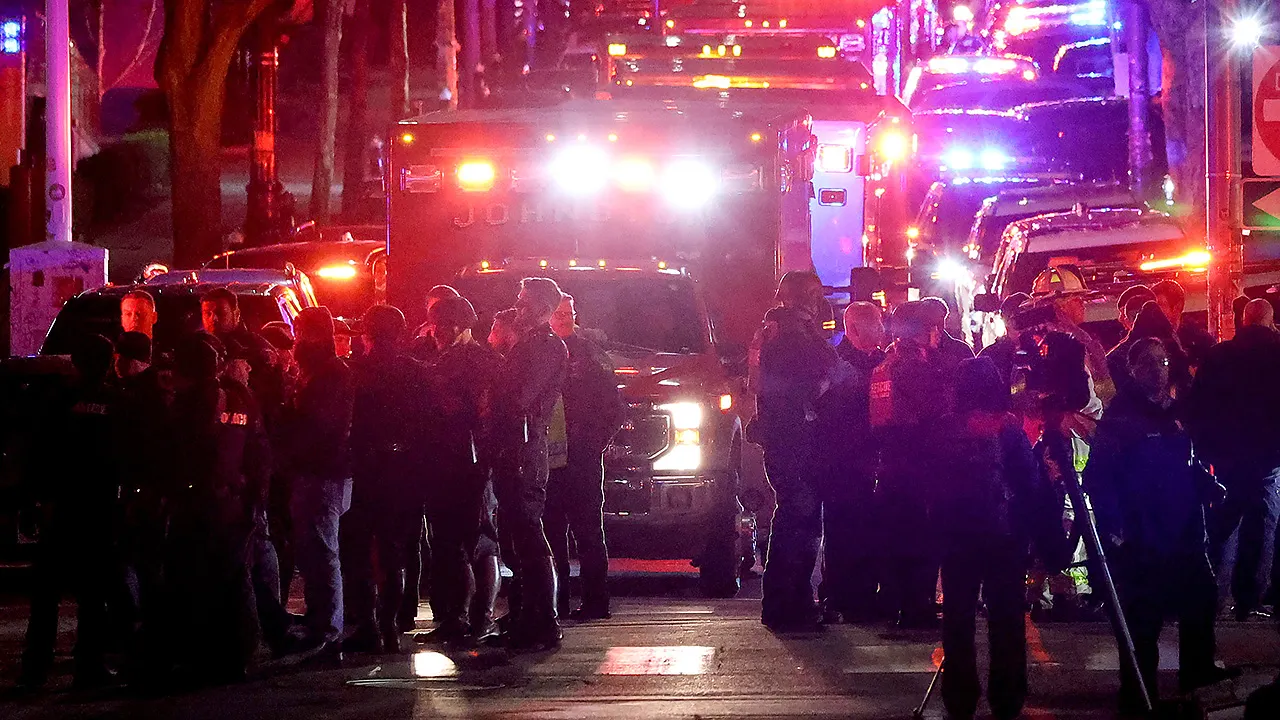
In a devastating incident that has shaken the prestigious Ivy League community, a shooting at Brown University left two people dead and nine others injured. Police officials announced Sunday that they have taken a person of interest into custody at a hotel in Coventry, approximately 17 miles south of Providence. This tragedy marks another instance of gun violence disrupting academic life at one of America’s elite educational institutions, leaving the Brown community and the broader educational landscape grappling with profound grief and difficult questions about campus safety.
Providence Police Chief Colonel Oscar L. Perez Jr. maintained a cautious approach when addressing media questions about the suspect’s potential affiliation with Brown University, citing the preliminary nature of the investigation. His department is now focused on coordinating with prosecutors, methodically gathering evidence, and conducting thorough interviews with witnesses and those connected to the incident. This methodical approach underscores the complexity of investigating such a traumatic event at a university campus, where thousands of students, faculty, and staff intersect daily. The careful handling of information reflects both the sensitivity of an active investigation and the heightened emotions surrounding such a shocking occurrence at a renowned academic institution.
The human toll of this tragedy extends beyond the fatalities, with Providence Mayor Brett Smiley providing updates on the injured: seven individuals remain in stable condition, one person is in critical but stable condition, and one has been discharged from medical care. These numbers represent not just statistics but lives fundamentally altered by an act of violence – students and possibly faculty or staff whose academic journeys and personal lives have been interrupted by trauma. The medical response to the shooting demonstrates the critical importance of emergency preparedness and healthcare infrastructure in university communities, especially as campus violence has become an increasingly concerning phenomenon across America’s educational landscape.
Rhode Island Governor Daniel McKee expressed solidarity with those affected, stating, “We’re going to continue to have our thoughts with the families, the individuals that have been impacted by this horrific event.” This sentiment reflects the ripple effect of campus violence, which extends far beyond those physically injured to encompass families, friends, the entire university community, and even the state as a whole. The governor’s comments highlight how such incidents transform from localized emergencies to matters of statewide concern, requiring responses that integrate public safety, mental health support, and community healing efforts across multiple levels of government and civil society.
Mayor Smiley confirmed that the shelter-in-place order for the Providence community had been lifted following the apprehension of the person of interest, a small measure of relief amidst overwhelming tragedy. Brown University had earlier announced the lifting of its campus-specific shelter-in-place directive Sunday morning, allowing students and staff to move freely again but into a campus environment forever changed. This gradual return to physical movement stands in stark contrast to the emotional restrictions many community members will continue to experience as they process the traumatic events that unfolded in what should be a space dedicated to learning and growth.
As the investigation continues and the campus begins the difficult process of healing, this shooting joins a troubling pattern of violence affecting American educational institutions from elementary schools to elite universities. The Brown University community now faces the challenging task of mourning those lost, supporting those injured, and rebuilding a sense of safety and purpose within their academic environment. Campus leaders, mental health professionals, and security experts will likely be called upon to address both the immediate trauma response and longer-term questions about how to preserve the openness of university life while protecting its community members from such devastating violence. The road to recovery will be long and complex, requiring compassion, patience, and a renewed commitment to creating truly safe spaces for learning.